
USTR Extends Section 301 Exclusions and Port-Fee Suspension to January 2027: What the November Trade Truce Decision Means for U.S. Knitwear Buyers
On November 10, 2026, the Office of the U.S. Trade Representative published two Federal Register notices that keep the current U.S.-China trade truce intact for two more months. All 178 remaining Section 301 product exclusions now run through 11:59 p.m. ET on January 9, 2027 (91 FR 72610), and the suspension of Section 301 maritime port fees and duties on Chinese-built ship-to-shore cranes is extended through January 10, 2027 (91 FR 72608). Beijing moved in parallel: on November 9, China's State Council Tariff Commission announced it will continue suspending its 24 percent additional tariff on U.S. goods for two more months, keeping its 10 percent rate in place. For U.S. apparel and knitwear importers, the decision removes an immediate repricing risk and sets January 9-10, 2027 as the next live deadline in sourcing calendars.
What Actually Changed This Week
The 178 exclusions, claimed under HTS headings 9903.88.69 and 9903.88.70, cover specific industrial inputs and manufacturing equipment that would otherwise pay the 25 percent Section 301 rate. They were scheduled to lapse at 11:59 p.m. ET on November 9. The new USTR notice extends all of them automatically for goods entered on or after November 10, 2026. The maritime fee suspension, which keeps port charges off China-linked vessels, follows the same two-month window after a comment process that drew roughly 60 submissions.
It is important to read this decision precisely. The extension is a continuation, not a reduction. Section 301 duties on Chinese goods remain at 25 percent on Lists 1 through 3 and 7.5 percent on List 4A, where most finished apparel and knitwear is classified. The separate 12.5 percent Section 301 forced-labor duty that took effect on July 24, 2026 remains stacked on top. The IEEPA-based reciprocal and fentanyl tariffs were voided by the Supreme Court in February 2026, so a typical List 4A consumer product from China currently carries roughly 20 percent in additional duties on top of its MFN rate, down from the much heavier stacks seen earlier this year but still a material landed-cost factor.
Why This Matters for Cashmere and Knitwear Programs Specifically
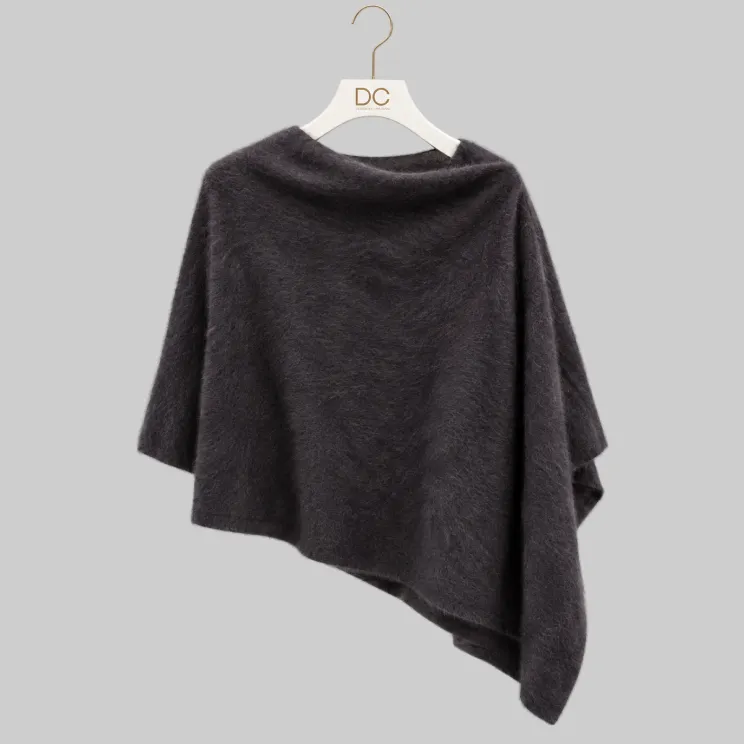
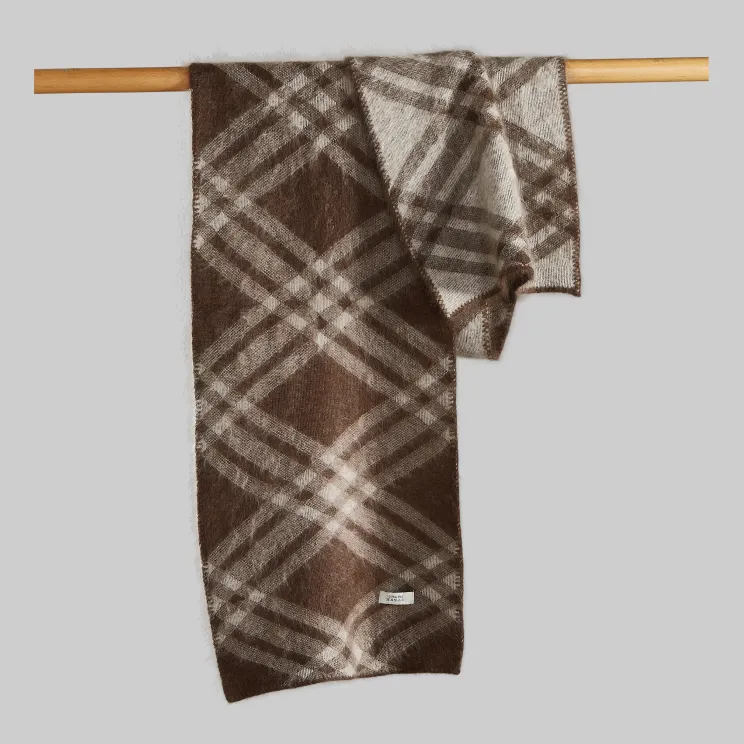
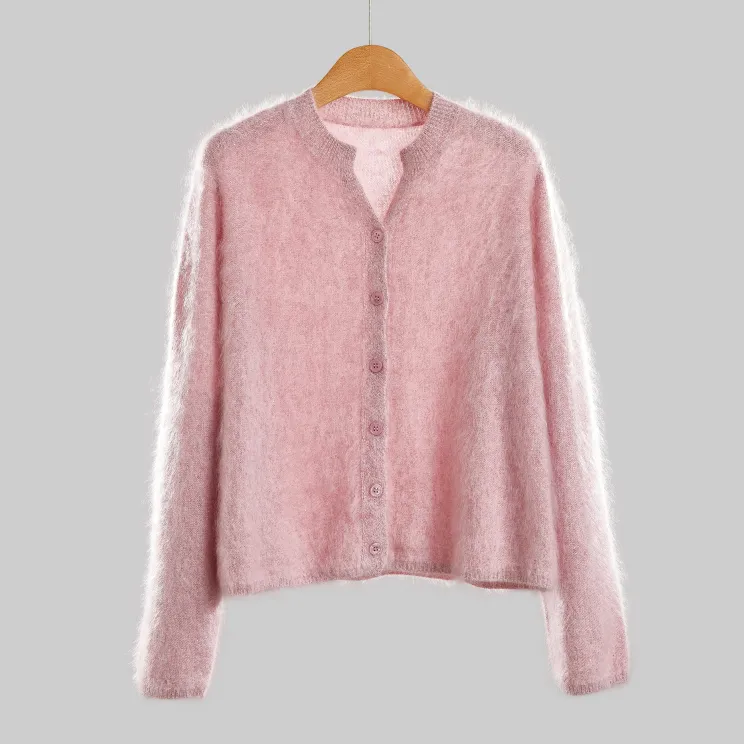
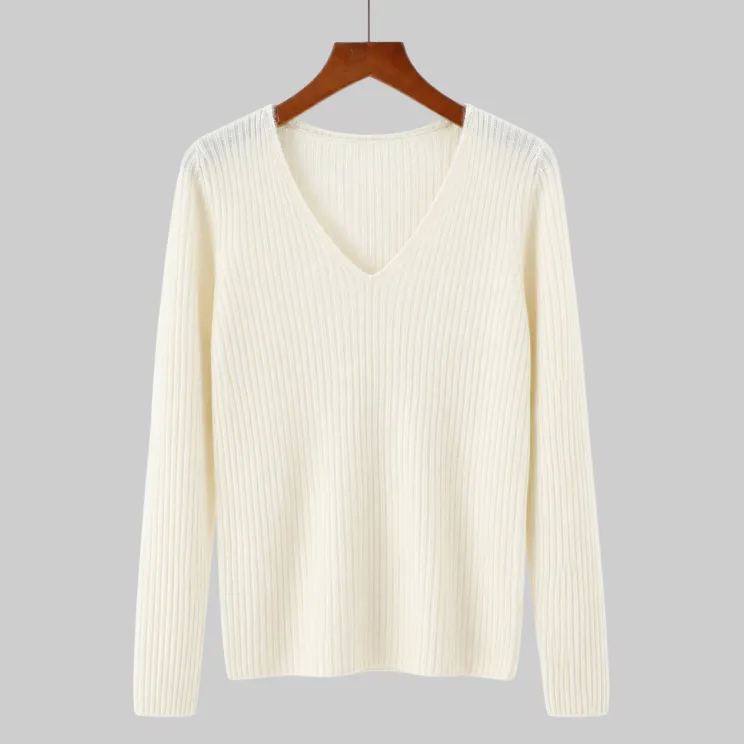
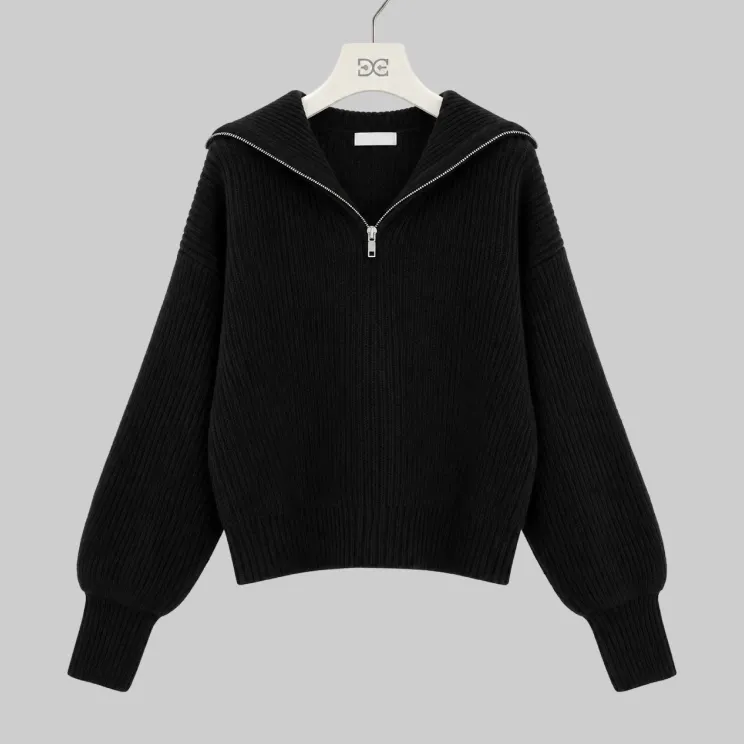
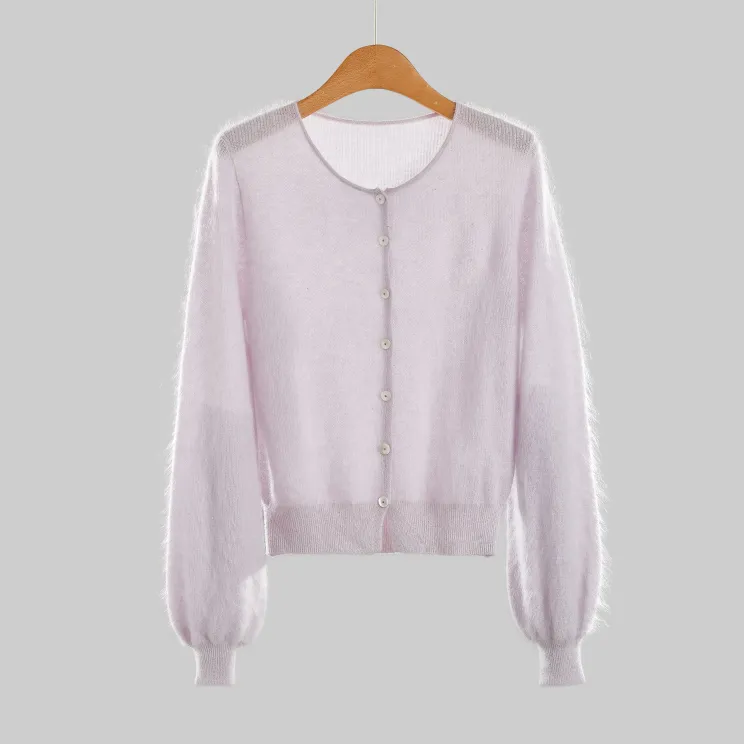
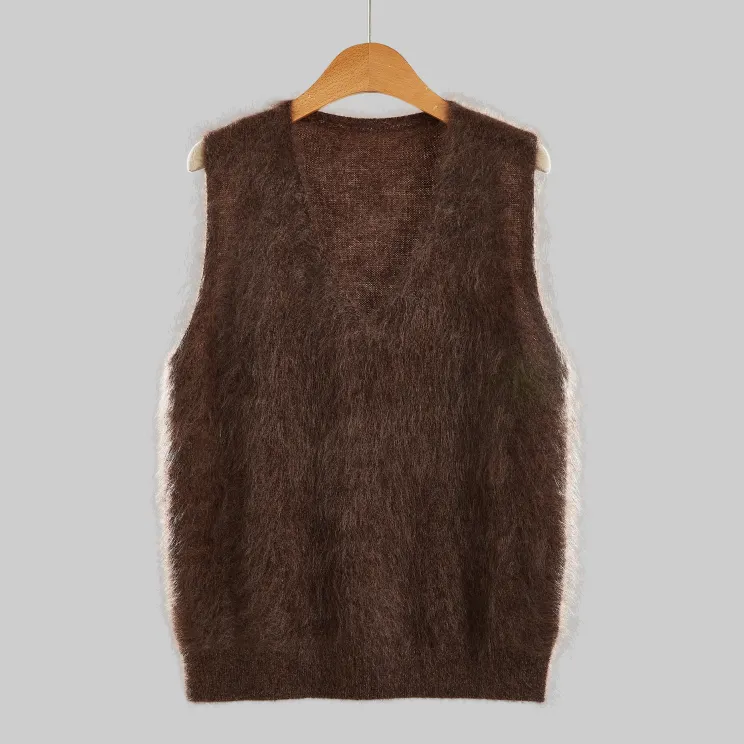
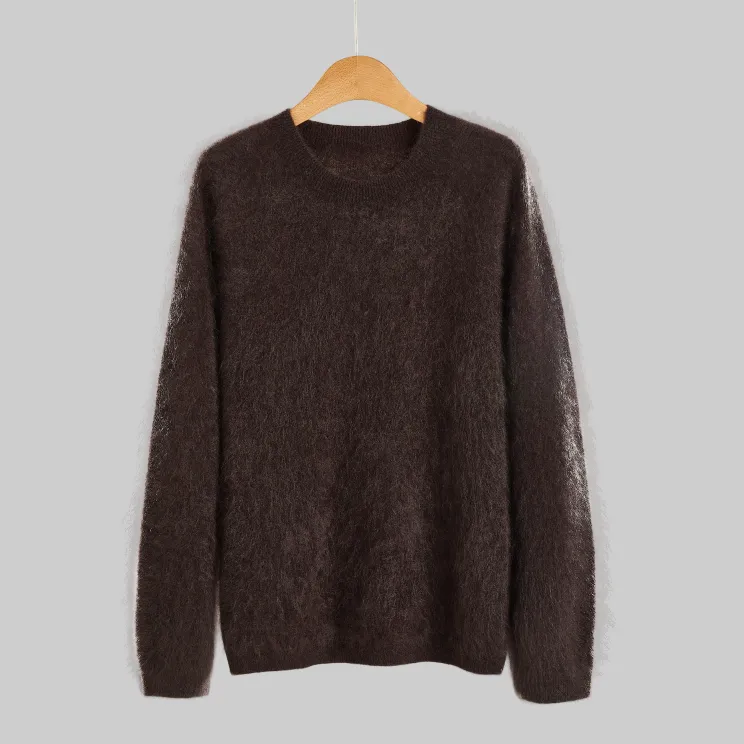
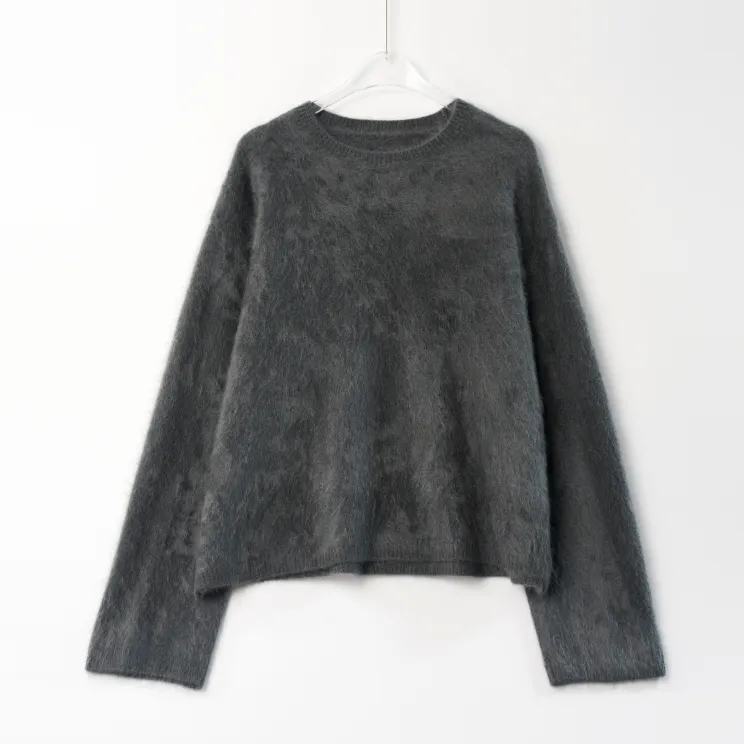
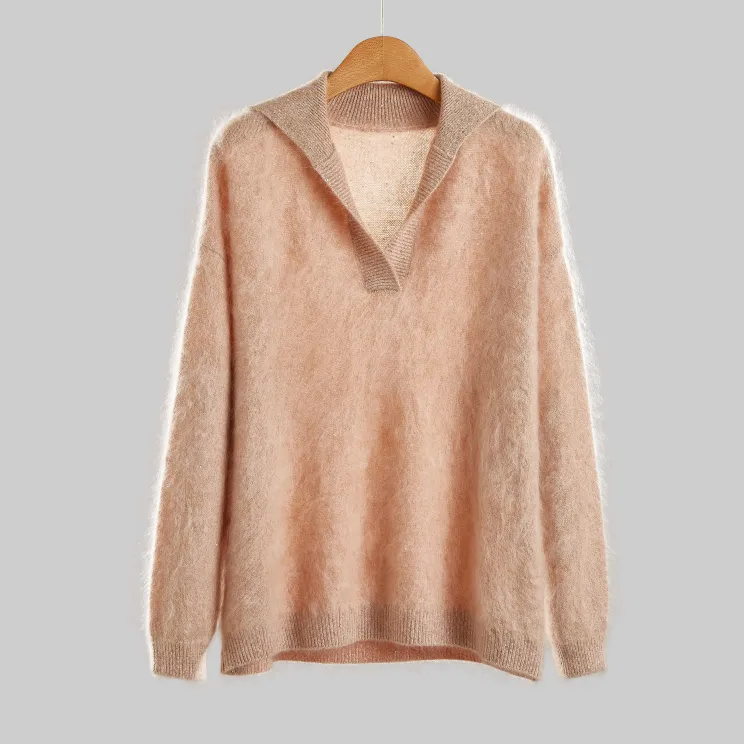
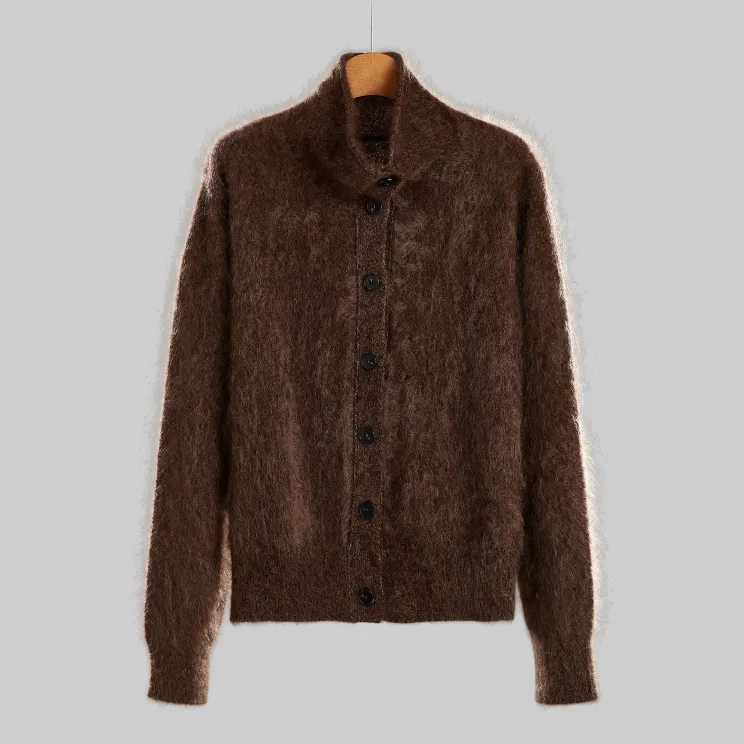
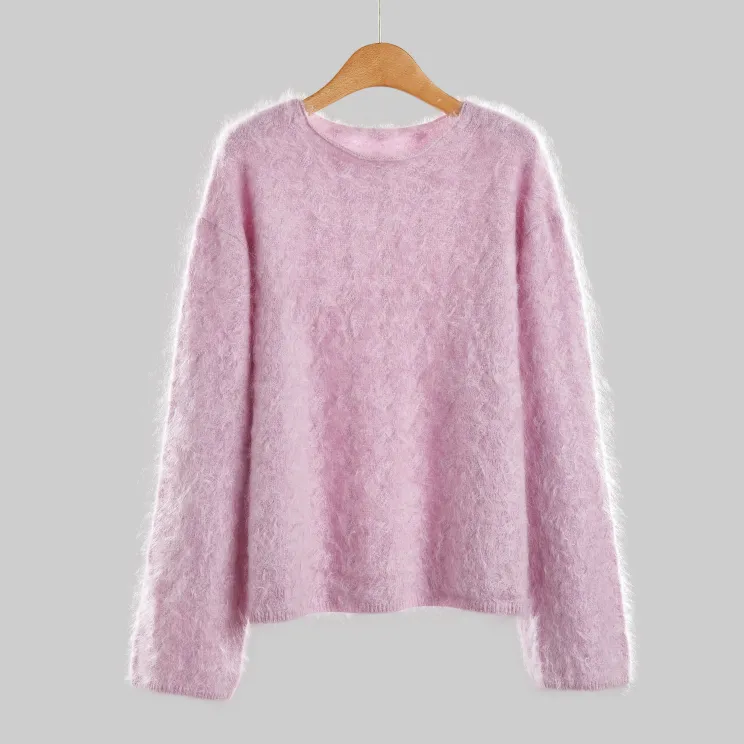
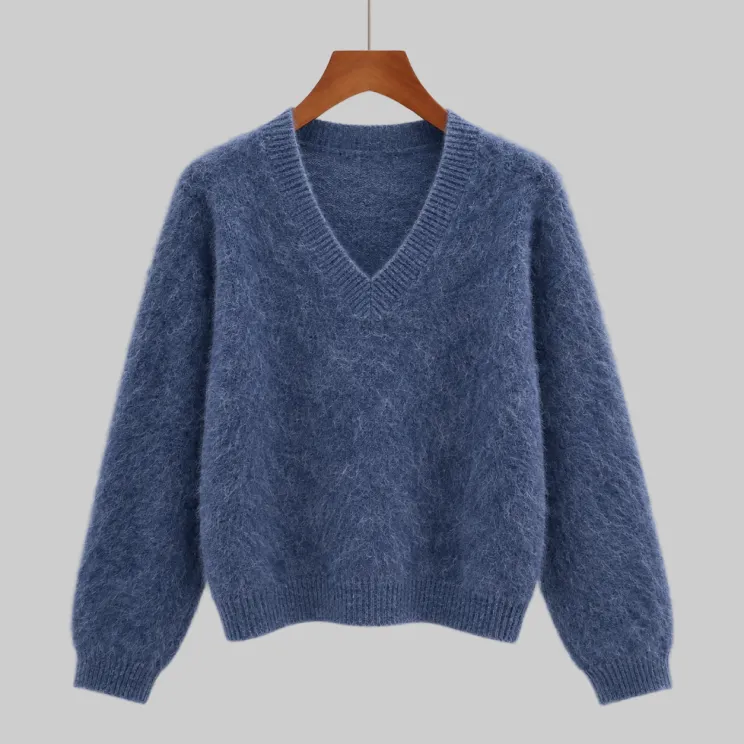
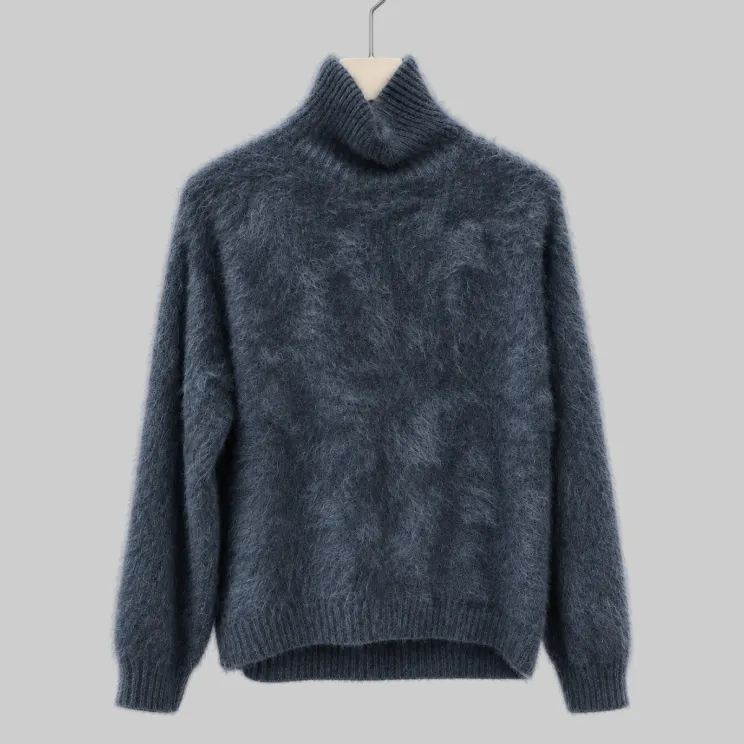
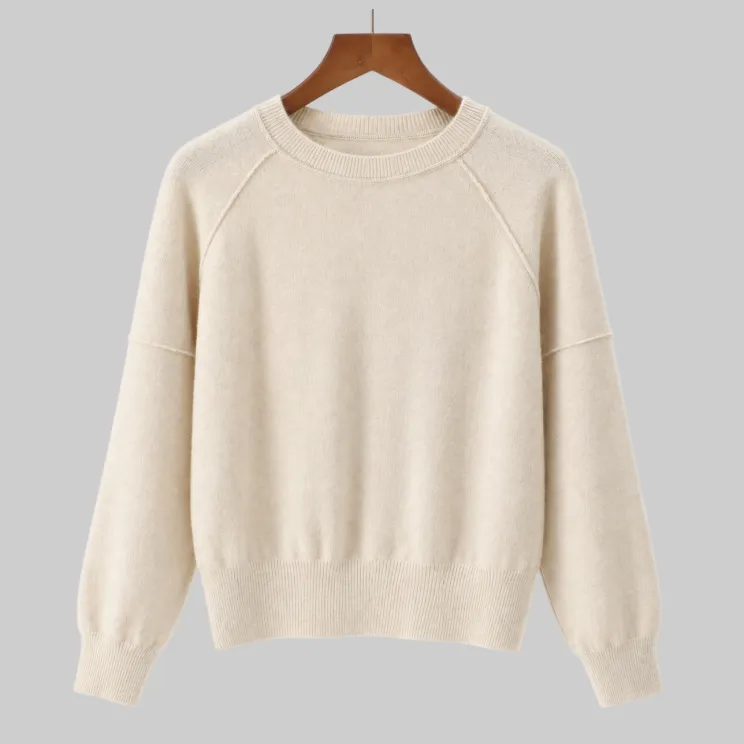
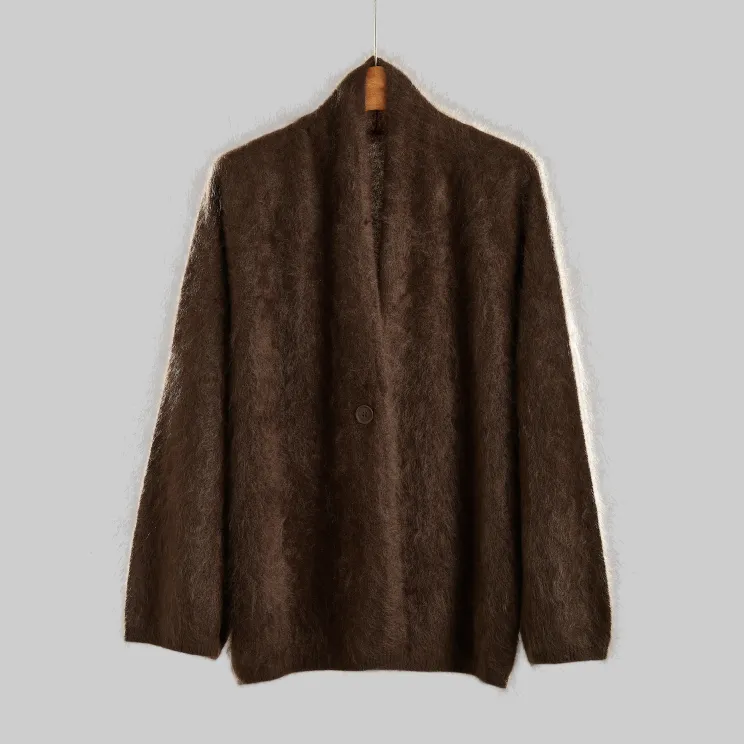
Finished sweaters and accessories sit on List 4A, so the 178 exclusions do not touch knitwear directly. The value of this week's decision for our industry is stability, in three specific places.
First, landed-cost modeling for spring 2027 programs is now workable through the January window. Buyers finalizing wholesale cashmere commitments for March-to-May 2027 retail delivery can price programs against a known duty stack instead of a scenario range. Second, the port-fee suspension keeps trans-Pacific freight economics stable during the Q4 shipping peak, when knitwear programs move from production to vessel. Third, the machinery side of the exclusion list matters upstream: knitting and dyeing capacity in China runs on imported components covered by these exclusions, and their continuation avoids a quiet cost pass-through into yarn and conversion pricing.
The Board of Trade Track Bears Watching
Alongside the extension, the U.S.-China Board of Trade framework announced in late September continues to develop. The two governments published a proposed list of 77 product categories for potential reduced-tariff treatment, including consumer and home textile categories such as towels and bed linens. No rate, list, or mechanism has been formalized through the Federal Register, so buyers should treat the list as a signal of direction rather than a cost input. If knitwear-adjacent categories move onto a reduced-tariff track in January, the landed-cost math for 2027 programs changes again, this time favorably.
Action Items for the January Window
- Lock spring 2027 production now. The truce window aligns with the yarn-lock deadline for March-May 2027 garment delivery. Confirm programs with your manufacturer while both the duty environment and fiber pricing are known quantities.
- Reconcile entries filed since November 10. Importers claiming exclusions should pull CBP Form 7501 entry summaries and confirm the correct Chapter 99 headings were reported on post-extension entries.
- Model the January 10 scenario. If the truce lapses without renewal, formerly excluded lines snap back to 25 percent and port fees reinstate. Build that scenario into Q1 2027 pricing before budgets close.
- Fix specifications in writing. Programs moving through custom development this month should have fiber grade, yarn count, and target delivery windows locked in the tech pack, so any January policy movement lands on committed production rather than open quotations.
Our Read
Two-month extensions are not certainty, but they are workable planning windows, and this is the second consecutive cycle in which both governments chose continuity over escalation. For knitwear buyers, the correct response is to use the window rather than wait for a longer one. Zhejiang Dingchuang Cashmere supports U.S. and European programs with direct Inner Mongolian fiber sourcing, in-house dehairing, and documented duty-stack awareness on every quotation for cashmere knitwear. Contact our technical team to confirm capacity and landed-cost assumptions for your spring 2027 program.
Sources
- YCL CPA: U.S.-China Tariff Truce Extended to January 10, 2027 — Federal Register Notices 91 FR 72610 and 91 FR 72608
- Thomson Reuters: Section 301 Exclusions Expiration and the November-to-January Compliance Calendar
- TariffOS: Current Section 301 Rates and Measures Affecting China
- FreightFigures: U.S.-China Truce Extended to January 10, 2027 — Importer Playbook
-

Dingchuang Textile Technical Team
Cashmere Sourcing & Knitwear Specialists, Dingchuang Cashmere
Authored by the technical specialists at Zhejiang Dingchuang Cashmere Co., Ltd. Founded in 2013 in Tongxiang, our team oversees integrated supply chain operations from raw goat cashmere collection and in-house mechanical dehairing to precision computerized knitting and specialty wet finishing, providing actionable manufacturing guidance for global apparel brands and designers.