

Cashmere Tech Packs Explained: Navigating Yarn Counts (Nm), Knitting Gauge (GG), and Ply Architecture
The transition from a two-dimensional fashion sketch to a physical, luxury garment relies entirely on the precision of a technical pack (tech pack). In the cashmere manufacturing sector, a tech pack is not a rough guideline; it is a rigid mathematical blueprint. B2B procurement teams, independent designers, and wholesale buyers frequently encounter supply chain failures, cost overruns, and structural defects because they fail to specify the exact engineering metrics required to build their garments. Simply requesting a "soft cashmere sweater" forces the factory to guess the intended weight, drape, and thermal performance. To control the FOB cost and ensure consistent bulk production, brands must master three critical variables: Metric Yarn Count (Nm), Knitting Machine Gauge (GG), and Ply Architecture. This comprehensive guide decodes the technical terminology of cashmere knitwear manufacturing, providing actionable insights for engineering the perfect garment and communicating effectively with your supply chain.
1. Metric Yarn Count (Nm): The Foundation of Fineness
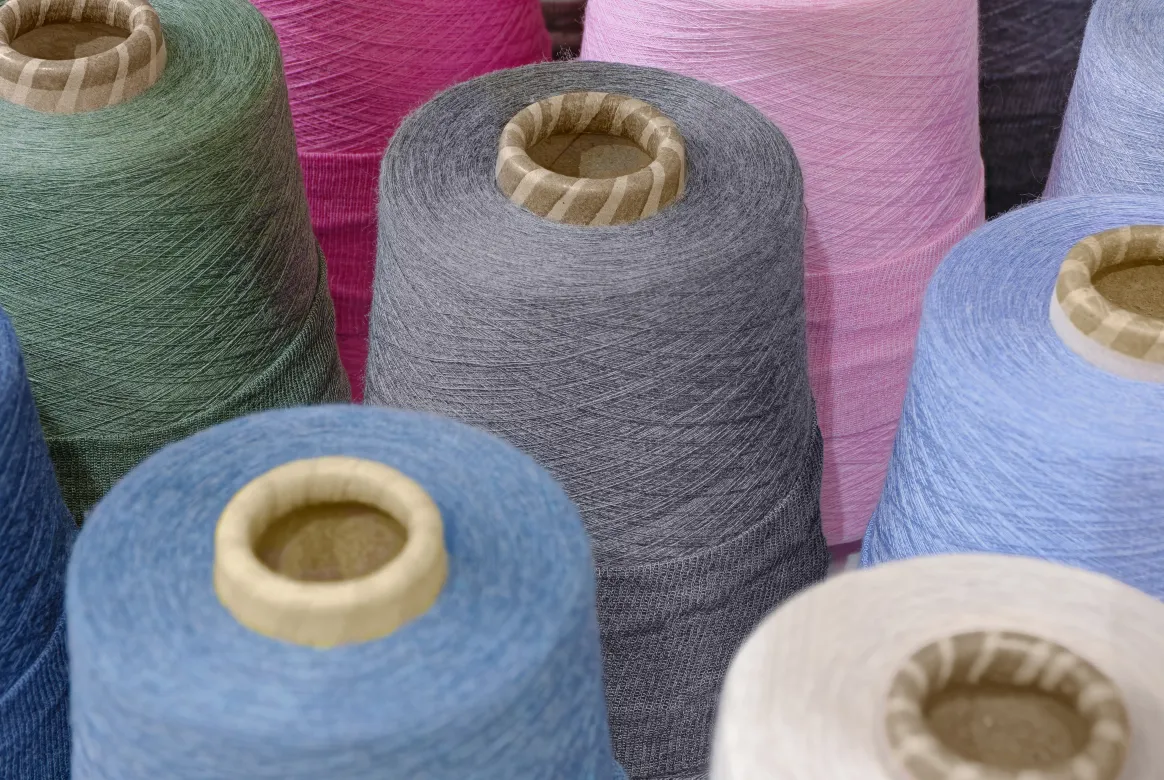
Before a sweater can be knitted, the raw Capra Hircus down must be spun into yarn. The thickness of this yarn is universally measured in the knitwear industry using the Metric Yarn Count system, abbreviated as "Nm" (Numero metric). Understanding Nm is mandatory for controlling the weight and tactile profile of the final product.
Defining the Nm Formula
The Nm system measures the length of yarn in meters that can be spun from one gram of raw fiber. Therefore, Nm = Meters / Grams. A yarn labeled as 26Nm means that 26 meters of that specific yarn weighs exactly one gram. It is an inverse measurement system: the higher the Nm number, the finer and thinner the yarn. A 60Nm yarn is significantly thinner than a 26Nm yarn.
Standard Cashmere Yarn Counts
Different aesthetic and functional requirements dictate the selection of the yarn count.
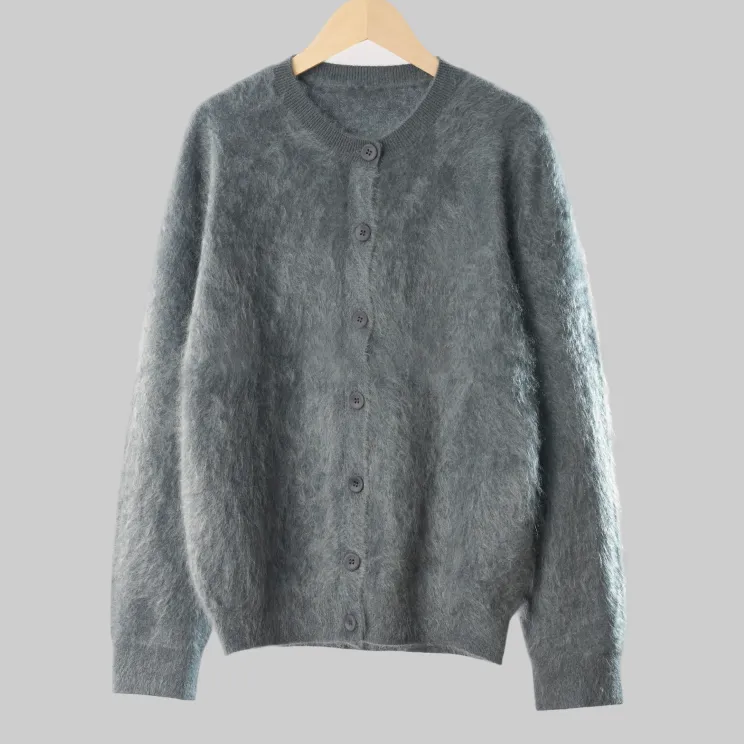
- 26Nm (The Woolen Standard): This is the global industry standard for classic, fluffy winter cashmere. It is spun using the traditional woolen method, which traps air within the yarn. It provides exceptional thermal loft and a pronounced surface halo.
- 48Nm to 60Nm (The Worsted Extreme): These ultra-fine yarns require worsted spinning, a highly expensive process that combs the longest fibers perfectly parallel and expels trapped air. These high-count yarns are extremely dense, sleek, and highly resistant to pilling. They are utilized exclusively for ultra-lightweight spring/summer collections, fine evening wraps, and seamless base layers.
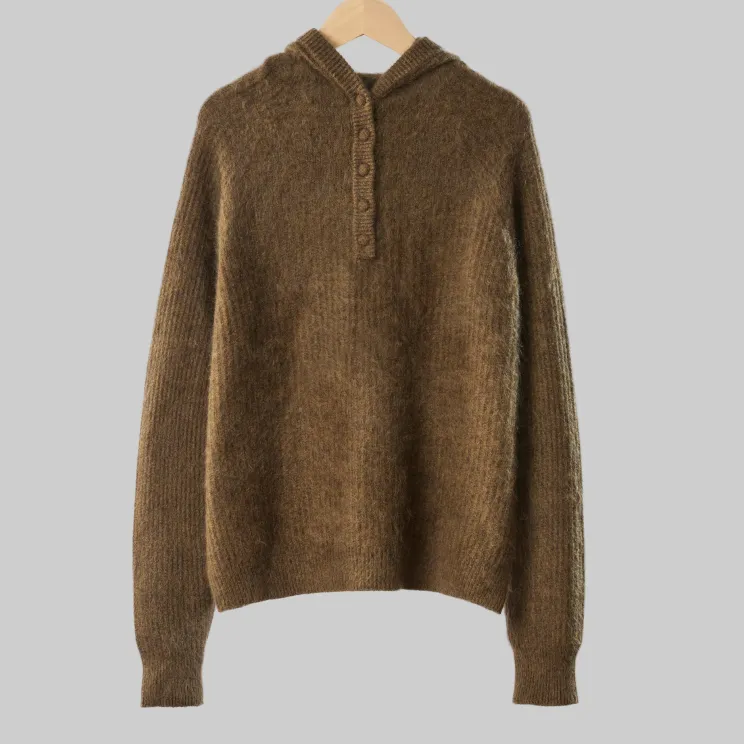
- 12Nm to 14Nm (The Chunky Roving): These are very thick, low-twist yarns used to create massive, heavy-duty winter outerwear and dramatic, oversized silhouettes.
2. Ply Architecture: Structural Integrity vs. Marketing Myth
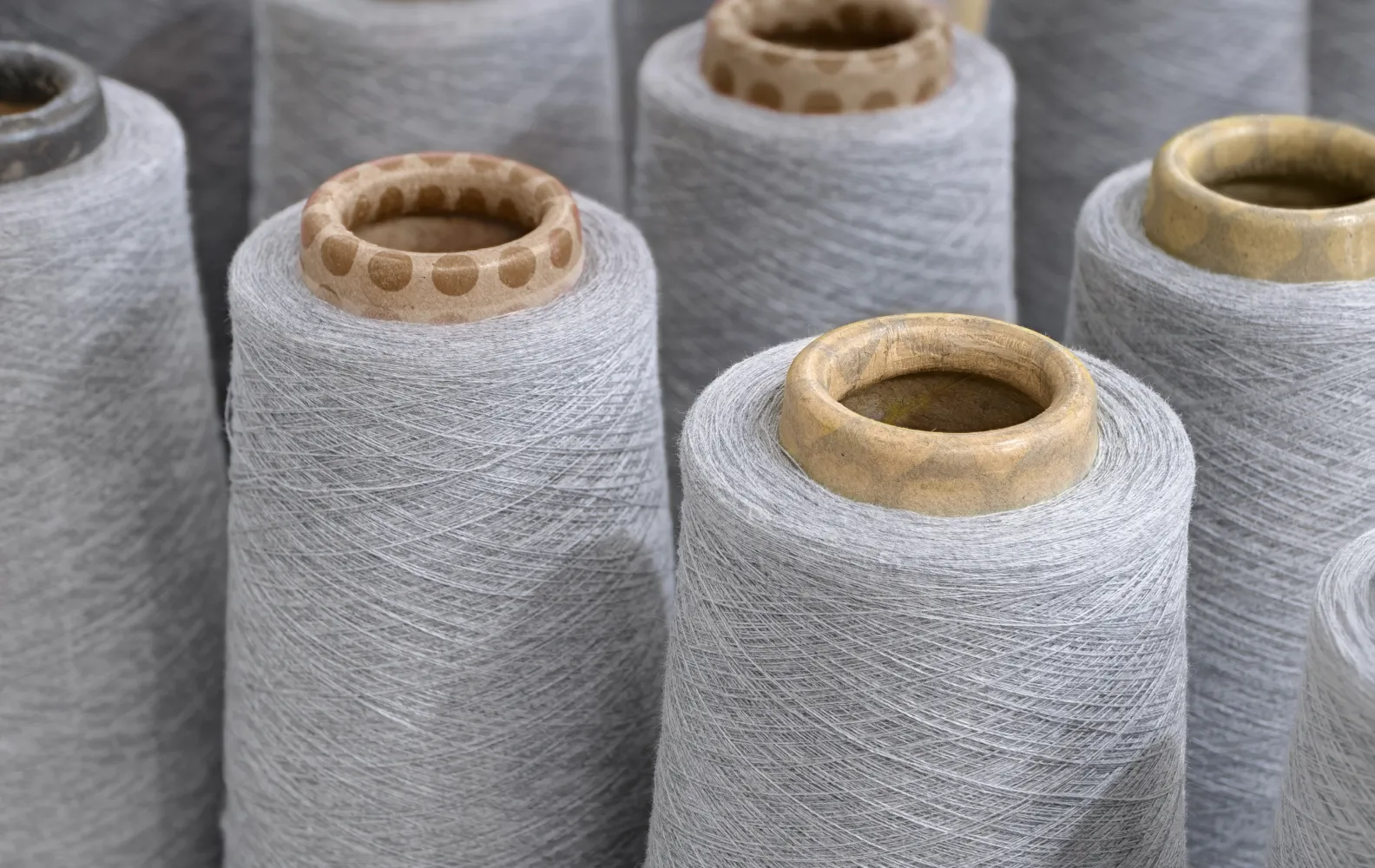
A single strand of spun yarn is rarely strong enough to be knitted directly into a garment. Manufacturers must twist multiple strands together to create a balanced, structurally sound knitting yarn. This is known as "plying."
Decoding the Label: What 2/26Nm Means
When reviewing cashmere yarn catalogs, buyers will almost always see fractions, such as 2/26Nm. The first number (2) indicates the ply count. The second number (26) indicates the metric count of the individual single strand. Therefore, a 2/26Nm yarn consists of two individual 26Nm strands twisted together. The final effective thickness of this combined yarn is actually 13Nm (26 divided by 2). This 2/26Nm architecture is the absolute baseline for 90% of all luxury cashmere sweaters currently on the market.
The "Higher Ply Equals Higher Quality" Fallacy
A pervasive myth in the retail sector is that a 4-ply or 6-ply sweater is inherently superior in quality to a 2-ply sweater. This is biologically and mechanically false. Ply count dictates thickness and thermal weight, not fiber quality. A factory can easily manufacture a massive 8-ply sweater using highly inferior, short-staple Grade C cashmere that will pill catastrophically within days. Conversely, a 2-ply sweater engineered from 36-38mm Grade A cashmere will last decades. Increasing the ply count drastically increases the raw material consumption (and thus the FOB cost) to create a chunkier, warmer garment, but it is never a substitute for raw fiber grading.
3. Machine Gauge (GG): Needle Density and Fabric Architecture
Cashmere garments are created on computerized flat knitting machines. The "Gauge" (abbreviated as GG) defines the physical density of the needles on the machine's needle bed. Specifically, GG represents the number of needles per inch.
The Inverse Relationship of Gauge
Like the Nm system, machine gauge operates on an inverse visual scale. A 3GG machine has only 3 large needles per inch, requiring extremely thick yarn to produce chunky, heavy fabrics. A 14GG machine has 14 tiny needles per inch, requiring ultra-fine yarn to produce a dense, lightweight, and sheer fabric. Selecting the correct gauge is the most critical decision a designer makes.
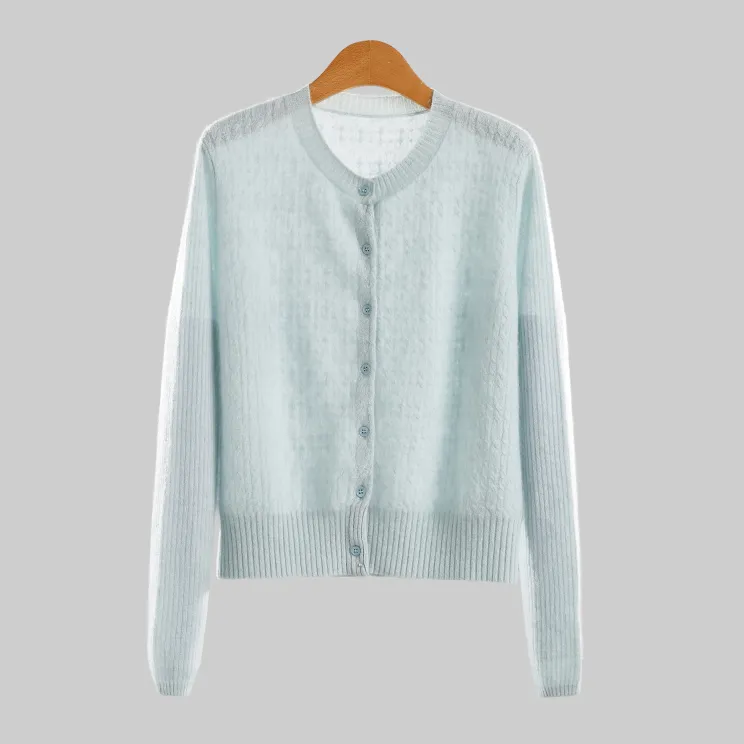
- 14GG to 16GG (Fine Gauge): Produces lightweight, highly breathable garments with a liquid drape. Ideal for trans-seasonal wear, evening stoles, and sleek base layers fitting comfortably under tailored suiting.
- 12GG (The Versatile Mid-Weight): Often utilized for premium men's knitwear, polos, and fine cardigans. It offers a slightly denser, more structured fabric than 14GG while remaining highly refined.
- 7GG (The Winter Standard): The absolute benchmark for classic autumn/winter pullovers. A 7GG machine utilizes standard 2/26Nm yarn perfectly, providing deep stitch definition, robust thermal insulation, and a plush hand-feel.
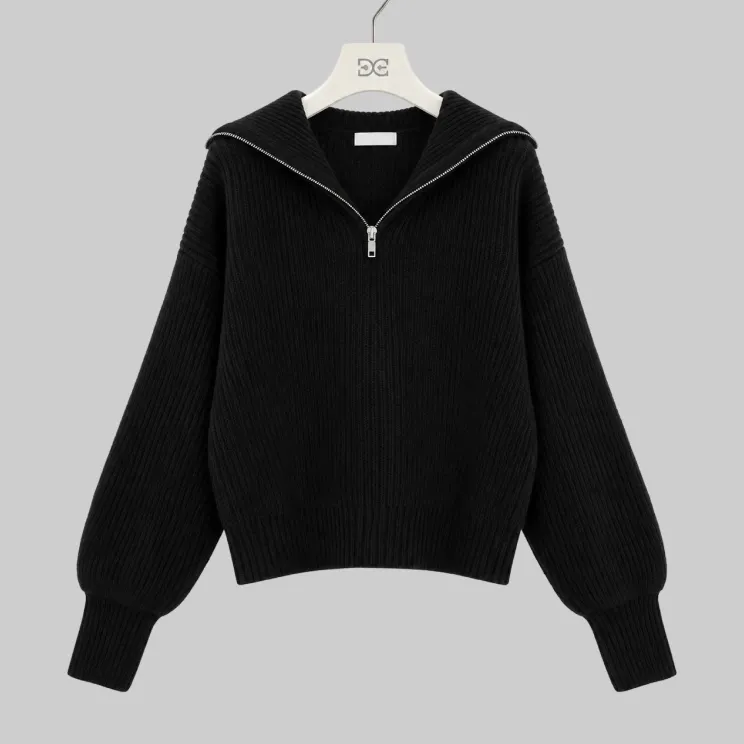
- 3GG to 5GG (Chunky Outerwear): Reserved for massive, heavy-duty knits, deep 3D cables, and heavy sweater coats. These machines require thick, multi-ply yarns (e.g., 4-ply, 6-ply, or even 8-ply constructions) to fill the large gaps between the needles.
4. The Physics of Tension Calibration and Matrix Matching
A successful garment requires a perfect mathematical marriage between the yarn count (Nm), the ply, and the machine gauge (GG). Mismatching these variables results in immediate mechanical failure on the factory floor.
The Consequences of Mismatching
If a technical designer specifies a thick 6-ply yarn but requests it be knitted on a fine 14GG machine, the yarn will literally not fit inside the microscopic needle hooks. The machine will jam, snap the needles, and destroy the yarn. Conversely, if a single-ply, ultra-fine 60Nm yarn is run on a chunky 3GG machine, the resulting fabric will resemble a fishing net. The stitches will be massive, entirely lacking structural integrity, and the garment will stretch and distort irreversibly under its own weight.
Dynamic Tension Mapping
Even when the correct yarn and gauge are matched (e.g., 2/26Nm on a 7GG machine), the factory must execute precise "tension mapping." The computerized machine must be programmed to pull the yarn at the exact correct tightness. If tensioned too tightly, the sweater feels like a rigid board. If tensioned too loosely to save raw material weight, the sweater becomes flimsy and highly susceptible to "bagging out" at the elbows and hem. Premium manufacturing requires predictive tension algorithms to balance structural rigidity with a fluid, yielding drape.
5. The Cost Implications of Technical Specifications
B2B buyers must understand how manipulating Nm, Ply, and GG directly impacts the landed FOB cost of the garment.
There is a common misconception that heavier sweaters are always more expensive. While raw cashmere is priced by the kilogram, the cashmere knitwear manufacturing process heavily dictates the final cost. A chunky 3GG sweater consumes massive amounts of yarn, driving up the raw material cost. However, an ultra-lightweight 14GG sweater requires highly expensive worsted spinning (to achieve the 2/60Nm yarn count) and takes significantly longer to knit on the machine because there are double the amount of stitches per inch. The increased machine-time and advanced spinning costs often make a featherlight 14GG sweater just as expensive, if not more expensive, to produce than a heavy 7GG sweater.
6. Formulating the Perfect B2B Tech Pack
To eliminate miscommunication and secure accurate sampling, a professional knitwear tech pack must explicitly state the engineering variables.
A comprehensive tech pack must include:
- Raw Material Grade: Explicitly state the required micron count (e.g., 14.5µm) and staple length (e.g., 36mm).
- Yarn Architecture: State the required count and ply (e.g., 2/26Nm).
- Machine Gauge: State the exact needle density required (e.g., 7GG).
- Stitch Structure: Define the exact knit pattern (e.g., Single Jersey, 2x2 Rib, Half-Cardigan).
- Weight Tolerance: Specify the target weight of the finished garment in grams (e.g., 280g ± 5%), forcing the factory to maintain strict tension calibration without skimping on yarn.
Partner with Zhejiang Dingchuang Cashmere
Navigating the complex mathematics of knitwear engineering requires a highly capable and transparent manufacturing partner. Founded in 2013 and based in Tongxiang, China, Zhejiang Dingchuang Cashmere operates a rigorously controlled, vertically integrated supply chain. We handle the critical raw fiber collection and mechanical dehairing in-house, securing only premium 36-38mm long-staple Inner Mongolian cashmere.
To execute highly technical production, we partner with specialized, deeply vetted facilities for precision spinning, computer-calibrated knitting, and delicate wet finishing under our direct, uncompromising quality control protocols. Whether your tech pack demands a chunky 3GG multi-ply winter coat or an ultra-fine 16GG worsted evening stole, our engineering teams possess the expertise to map the exact tension, gauge, and yarn architecture required to bring your design to life.
We provide global brands, independent designers, and wholesale distributors with tailored OEM/ODM knitwear solutions. We eliminate the guesswork from overseas sourcing, delivering verifiable, premium cashmere garments built to exact mathematical specifications, ensuring superior structural memory, profound softness, and exceptional retail performance.
-

Dingchuang Textile Technical Team
Cashmere Sourcing & Knitwear Specialists, Dingchuang Cashmere
Authored by the technical specialists at Zhejiang Dingchuang Cashmere Co., Ltd. Founded in 2013 in Tongxiang, our team oversees integrated supply chain operations from raw goat cashmere collection and in-house mechanical dehairing to precision computerized knitting and specialty wet finishing, providing actionable manufacturing guidance for global apparel brands and designers.