
Cashmere Dyeing Methods Compared: Fiber Dye, Yarn Dye, and Garment Dye — Colorfastness Standards and Bulk Color Control for B2B Buyers
Color is the first attribute a retail customer judges and the hardest one to keep consistent across a bulk cashmere order. A cardigan that matches the approved lab dip in the showroom can drift half a shade by the third production lot, and a deep navy that passes visual inspection can still bleed onto a white shirt collar after two home washes. For procurement teams, color management is a specification problem: the dyeing stage, the approval workflow, and the fastness criteria must all be defined before production begins. This guide compares the three dyeing routes used in cashmere knitwear manufacturing, explains how each affects cost, hand-feel, and lead time, and sets out the testing standards and purchase order language that protect color quality at scale.
1. The Three Dyeing Stages at a Glance
Cashmere can be colored at three points in the production chain: as loose fiber before spinning, as spun yarn on cones or hanks, or as a finished knitted garment. Each route produces a different visual character and carries different commercial trade-offs.
| Route | Process Position | Visual Character | Typical Minimum | Best Application |
|---|---|---|---|---|
| Fiber dye (stock/top dye) | Loose dehaired fiber, before carding and spinning | Deepest penetration; supports heather and melange effects | Often 50 kg per color | Melange yarns, premium solid colors, long-running core shades |
| Yarn dye (package/hank) | Spun yarn, before knitting | Clean, uniform solids; crisp pattern definition | Smaller lots, often 20-30 kg | Solid programs, stripes, jacquards, seasonal fashion colors |
| Garment dye (piece dye) | Finished knitted garment | Slightly lived-in surface; shade variation at seams | Per style and color batch | Quick-response replenishment, small color drops |
2. Fiber Dyeing: The Foundation of Melange and Premium Solids
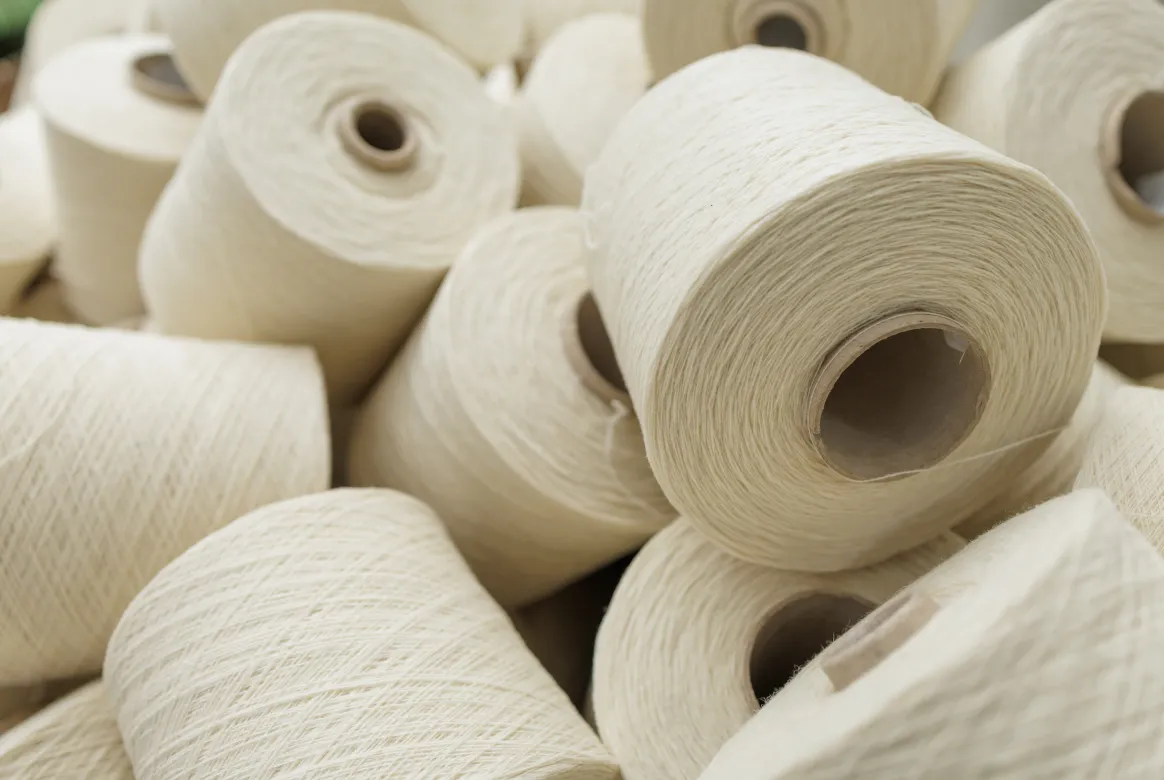
In fiber dyeing, dehaired white cashmere is loaded into dye vats before any spinning takes place. Because the dyestuff penetrates every individual fiber, the color sits inside the yarn structure itself. The result is exceptional depth of shade and the highest wash fastness achievable on cashmere.
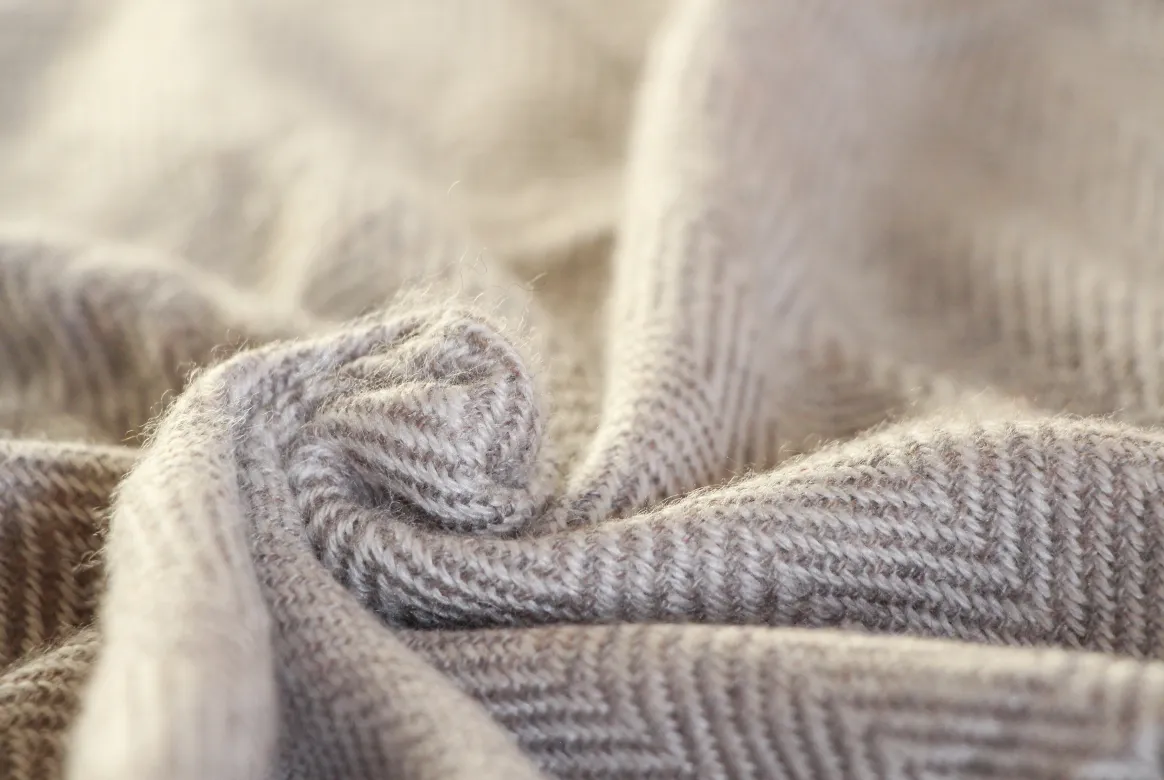
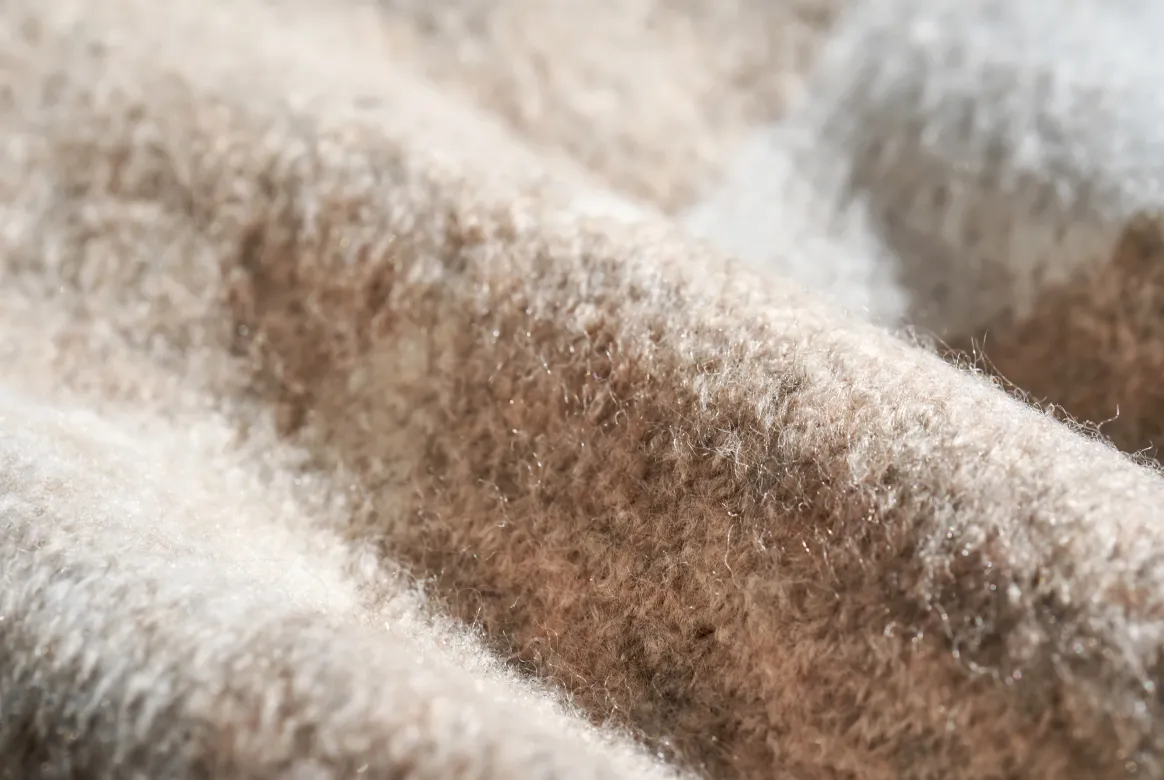
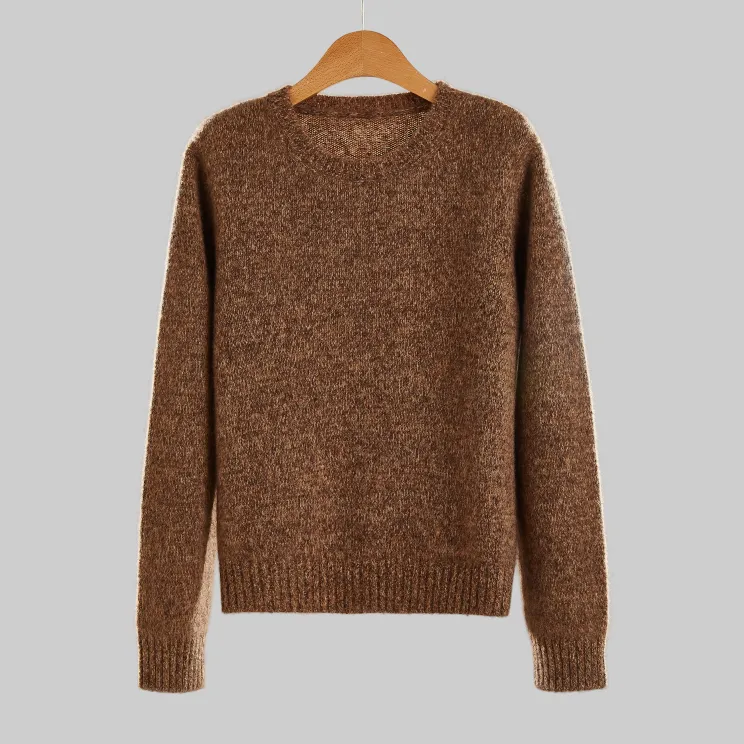
Fiber dyeing is the only route that produces genuine melange. A heathered grey yarn, for example, is built by blending two to seven separately dyed fiber batches in calibrated proportions before carding. The blended fiber passes through carding and mule spinning as a single composite, so the color variation is distributed through the entire yarn body rather than printed on the surface. This is why melange cashmere knitwear shows its characteristic depth: the eye reads multiple fiber colors simultaneously, and the effect cannot be replicated by dyeing a finished yarn.
The commercial implications for buyers are two-fold. First, minimum quantities per color are larger, because a dye vat must be economically loaded. Second, lead times extend by the full spinning cycle, since color decisions are locked in before yarn exists. Fiber dyeing rewards programs with stable core colors and punishes late color changes.
3. Yarn Dyeing: The Workhorse of Seasonal Programs
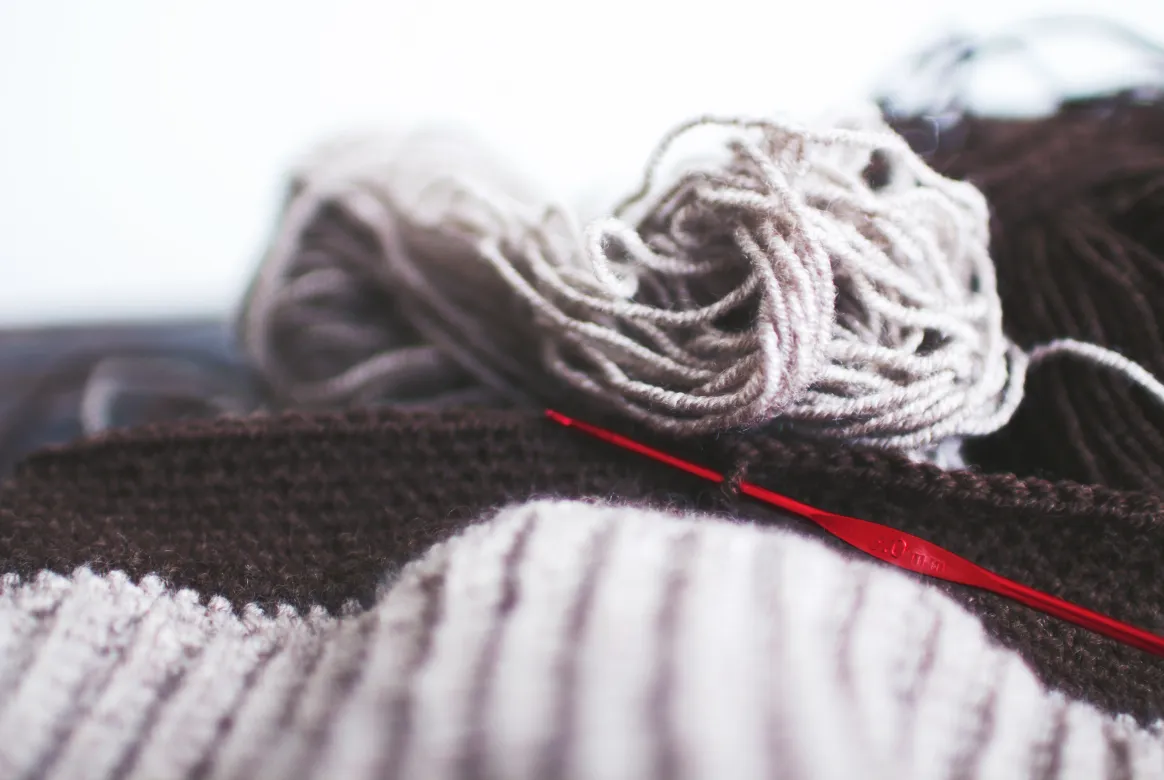
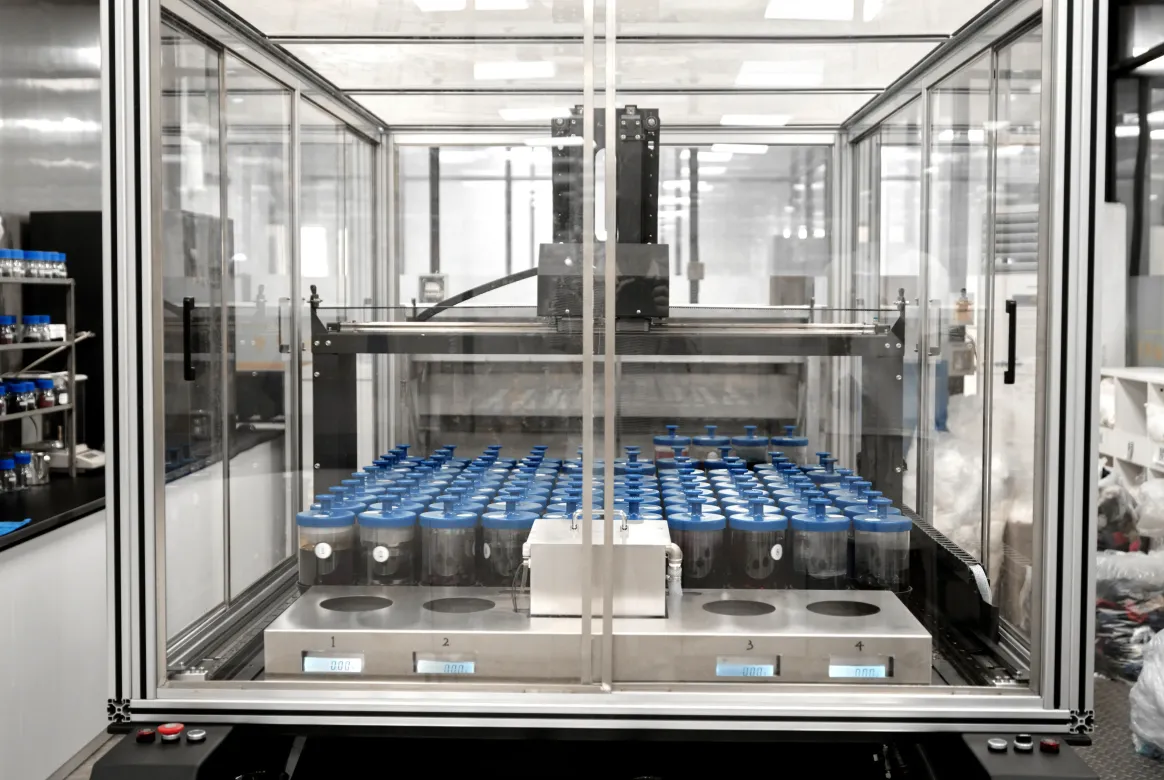
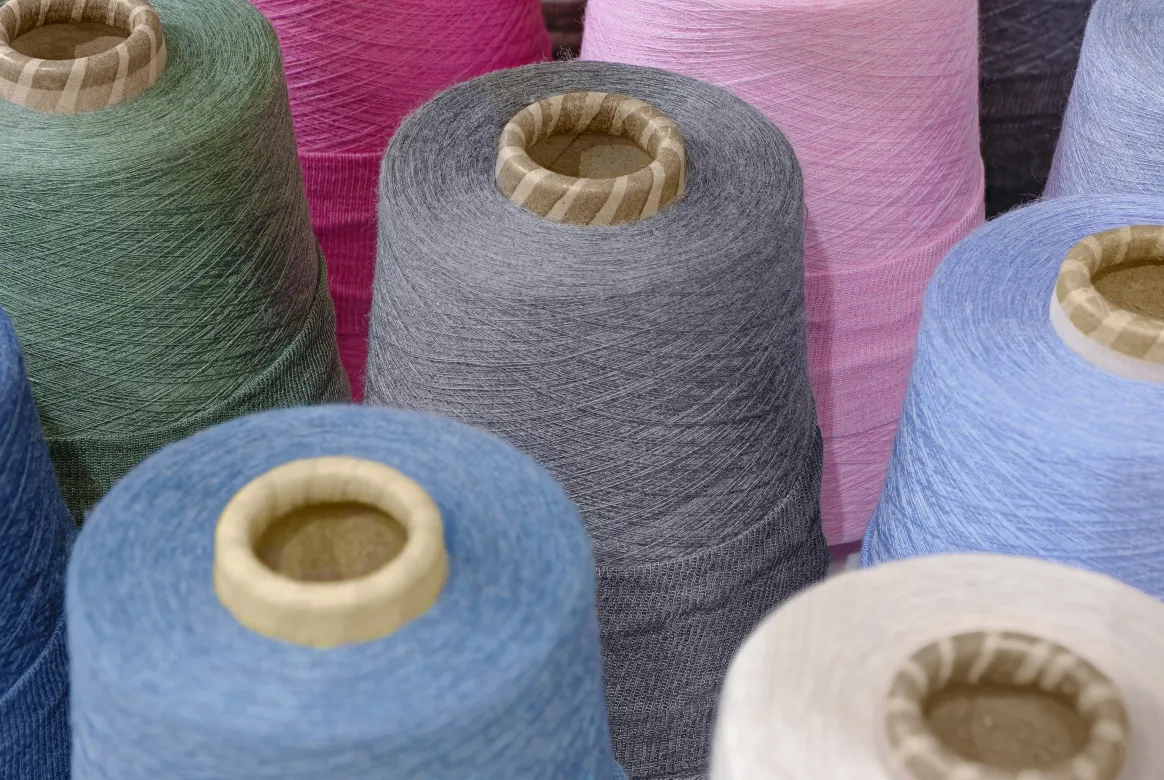
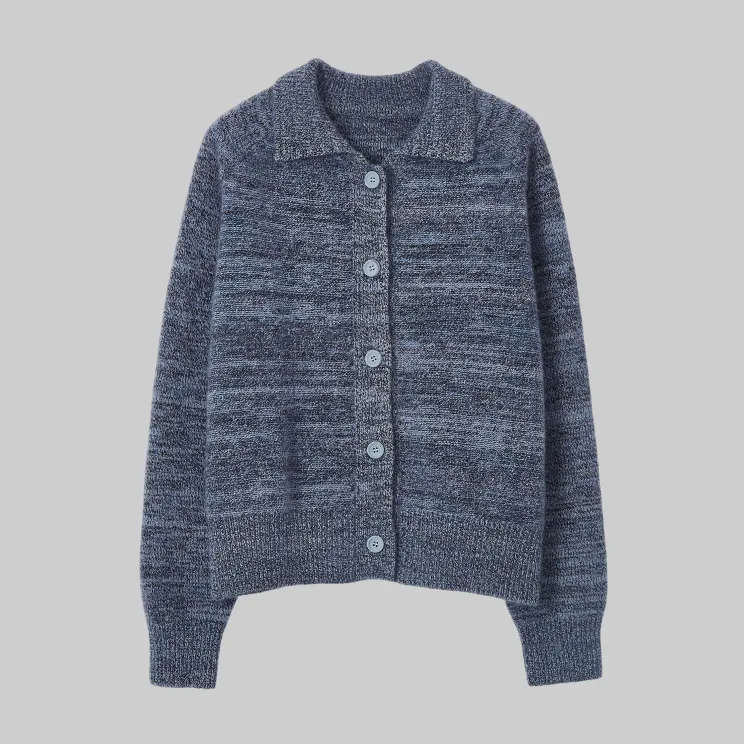
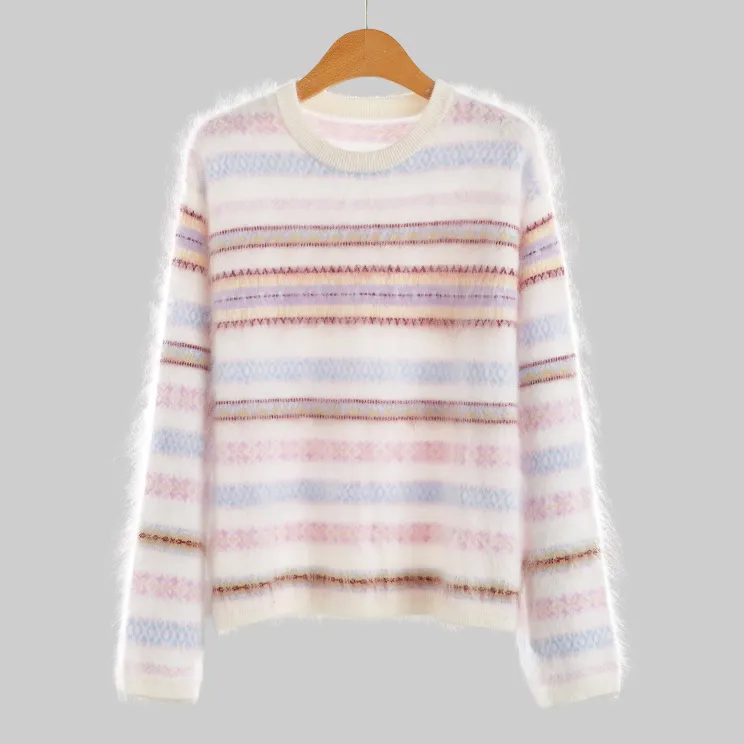
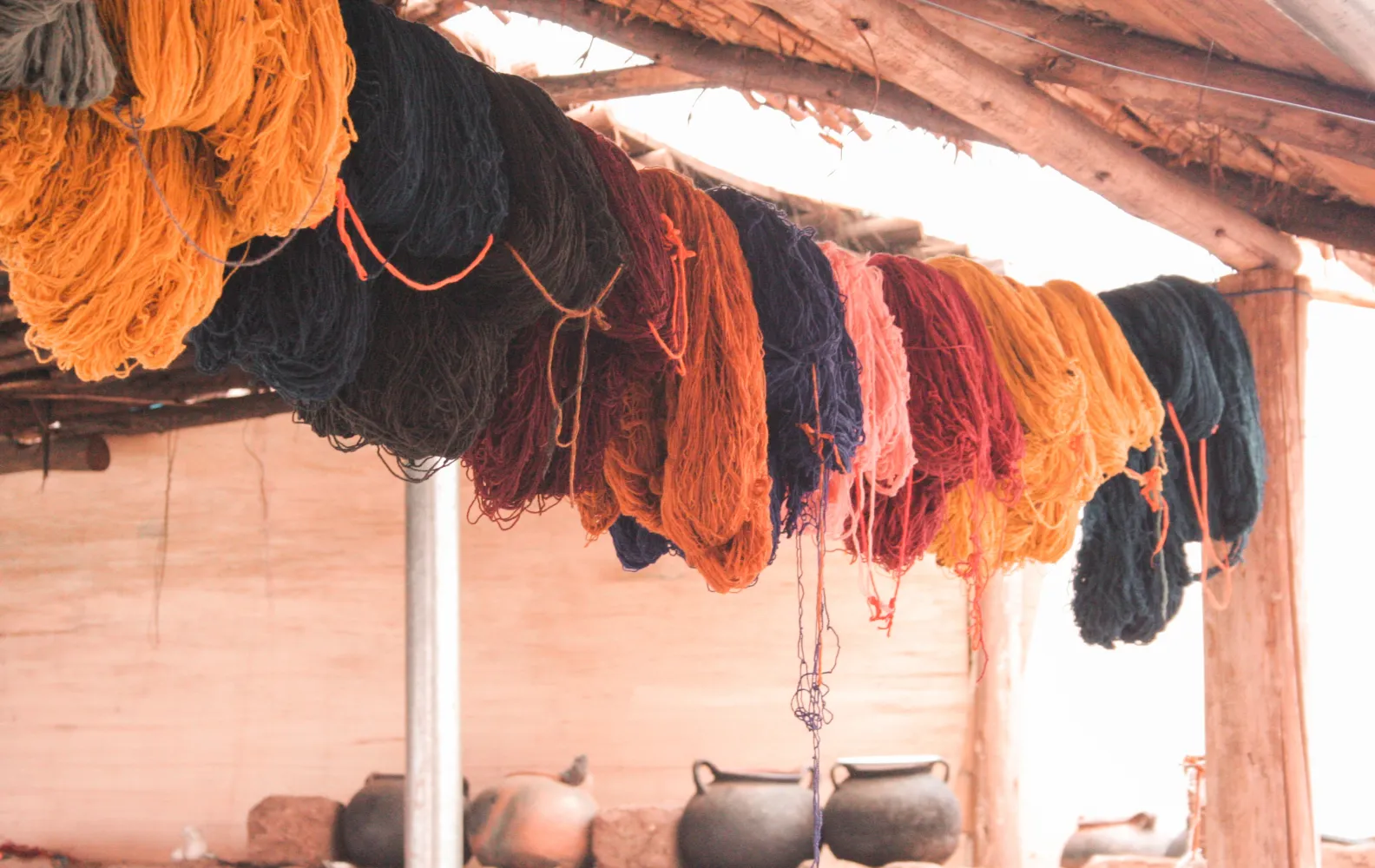
Yarn dyeing colors spun yarn wound on perforated cones (package dyeing) or in hanks. Liquor is pumped through the yarn under controlled pressure and temperature, producing uniform, repeatable solids across large lots. For fashion programs that rotate colors each season, yarn dyeing is the standard route: minimums are lower than fiber dyeing, the color decision happens after the yarn is spun, and pattern work such as striped cashmere and intarsia depends on precisely matched dyed yarn lots.
Two technical points deserve attention in bulk contracts. Package-dyed yarn can show minor shade variation between the inner and outer layers of a cone if circulation is imperfect, so knitting should draw from a single dye lot per garment batch. And dark, saturated shades require longer dye cycles and stronger fixing agents, which slightly firm the hand-feel compared with pale shades on the same yarn count. Buyers approving a deep navy or burgundy should evaluate the hand-feel on the actual dark shade, not on a light reference sample.
4. Garment Dyeing: Speed at the Cost of Control
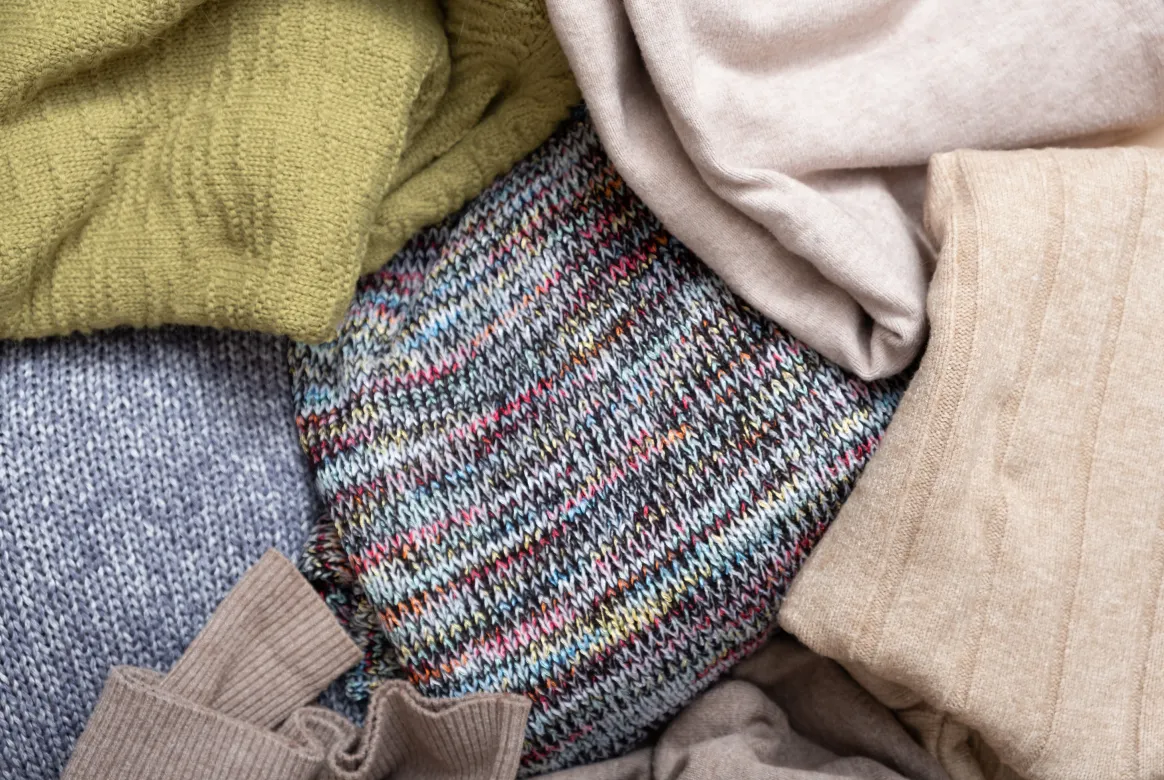
Garment dyeing knits garments in undyed natural yarn and colors the finished pieces. The route minimizes inventory risk: a brand can hold greige stock and commit colors late, close to the selling season. It also produces a characteristic soft, slightly vintage surface that some collections want deliberately.
The limitations are structural. Seams, ribbings, and high-tension zones absorb dye differently than the main panels, so perfect uniformity is not achievable. Fastness performance runs lower than fiber- or yarn-dyed equivalents because the dyestuff has less mechanical protection inside the yarn. And any knitting oil residue left on the garment creates dye resist marks, which makes pre-dye scouring discipline critical. Garment dyeing suits replenishment and capsule drops; it is the wrong tool for a flagship solid-color program.
5. The Color Approval Workflow: From Lab Dip to Bulk Lot
Professional color management follows a fixed sequence, and skipping steps is how bulk shade failures happen.
- Color standard: The buyer submits a physical swatch or a Pantone TCX reference. Screen colors and photographs are not acceptable standards because they shift with display calibration and ambient light.
- Lab dip: The dye house produces small dyed samples matched against the standard. Approval must happen under a standardized light box, with D65 daylight as the primary source. A lab dip approved under office fluorescent light can read as a different color in retail daylight, a failure mode known as metamerism.
- Strike-off or blanket: For knitted programs, the approved lab dip is converted into a knitted panel so the buyer sees the color in the actual yarn count, gauge, and stitch structure. Color reads lighter on a loose 7GG structure than on a dense 14GG knit in the identical dye lot.
- Bulk lot control: Production lots are checked against the approved standard with spectrophotometer readings (Delta E) or trained visual grading, with an agreed tolerance written into the contract.
6. Colorfastness Standards Every Cashmere Buyer Should Specify
Fastness is verified on the ISO 105 series, graded on the grey scale from 1 (severe change) to 5 (no change). The tests most relevant to cashmere knitwear:
| Test | Standard | What It Simulates | Commercial Benchmark |
|---|---|---|---|
| Washing | ISO 105-C06 | Domestic and commercial laundering; graded on color change (A02) and staining of adjacent fibers (A03) | Grade 3-4 change, grade 3 staining minimum; premium programs target grade 4 |
| Rubbing / crocking | ISO 105-X12 | Dry and wet friction against white cotton | Grade 3-4 dry; wet rubbing on deep shades is the common failure point |
| Perspiration | ISO 105-E04 | Acid and alkaline sweat contact | Grade 4 for next-to-skin knitwear |
| Light | ISO 105-B02 | Daylight exposure during retail display and wear | Grade 4 for pale and medium shades; critical for retail-facing products |
Wet rubbing on dark shades deserves specific attention. Deep blacks, navies, and reds carry high dye loads, and excess unfixed dyestuff transfers under damp friction. A garment that passes washing can still fail wet rubbing, leaving color on a customer's light trousers or bag. Specifying both tests on dark colors closes this gap.
7. Writing Color Requirements into the Purchase Order
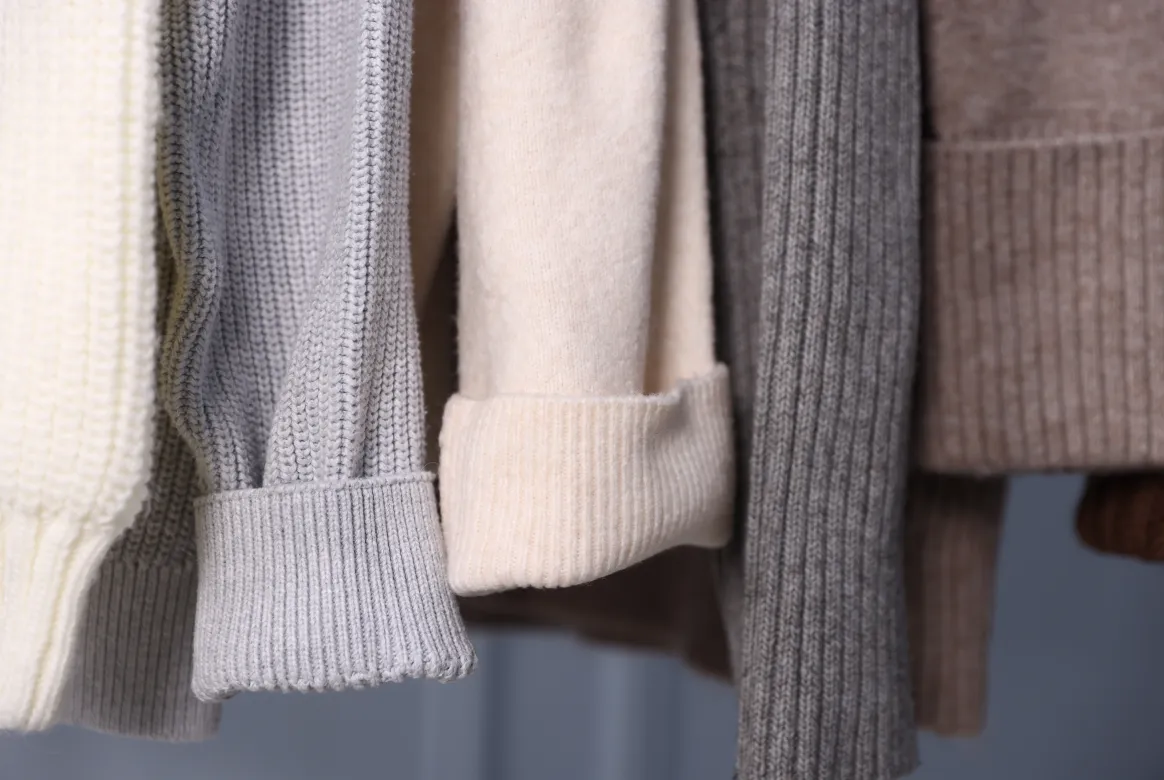
A purchase order that says "navy, as approved" gives neither side protection. A complete color specification includes the approved standard reference (Pantone TCX number or sealed swatch ID), the dyeing route (fiber, yarn, or garment), the light source for approval (D65 primary), the Delta E tolerance or grey-scale tolerance for bulk lots, the fastness matrix with minimum grades per test, and the dye lot rule (one lot per garment batch, or a stated cross-lot tolerance). Buyers running custom cashmere programs should attach this block to the tech pack alongside yarn count and gauge, so the dye house and the knitting floor work from the same document.
8. Color Control Starts at the Fiber Source
Clean, consistent color outcomes depend on what enters the dye vat. White cashmere grades dye to brighter, more level shades; grey and brown base fibers limit the achievable palette and demand heavier processing. Zhejiang Dingchuang Cashmere secures premium white Inner Mongolian fiber through direct collection and in-house dehairing at Tongxiang, then coordinates certified dyeing and precision knitting under documented batch control. For yarn-level programs, our dyed cashmere yarn range covers melange, brushed, and silk-blend constructions with lot-level color records. Share your color card and target shades with our technical team, and we will return lab dips matched under D65 with the fastness data your program requires.
-

Dingchuang Textile Technical Team
Cashmere Sourcing & Knitwear Specialists, Dingchuang Cashmere
Authored by the technical specialists at Zhejiang Dingchuang Cashmere Co., Ltd. Founded in 2013 in Tongxiang, our team oversees integrated supply chain operations from raw goat cashmere collection and in-house mechanical dehairing to precision computerized knitting and specialty wet finishing, providing actionable manufacturing guidance for global apparel brands and designers.