
Search
Enter keywords to search for products, blog posts, and more.
Enter keywords to search for products, blog posts, and more.


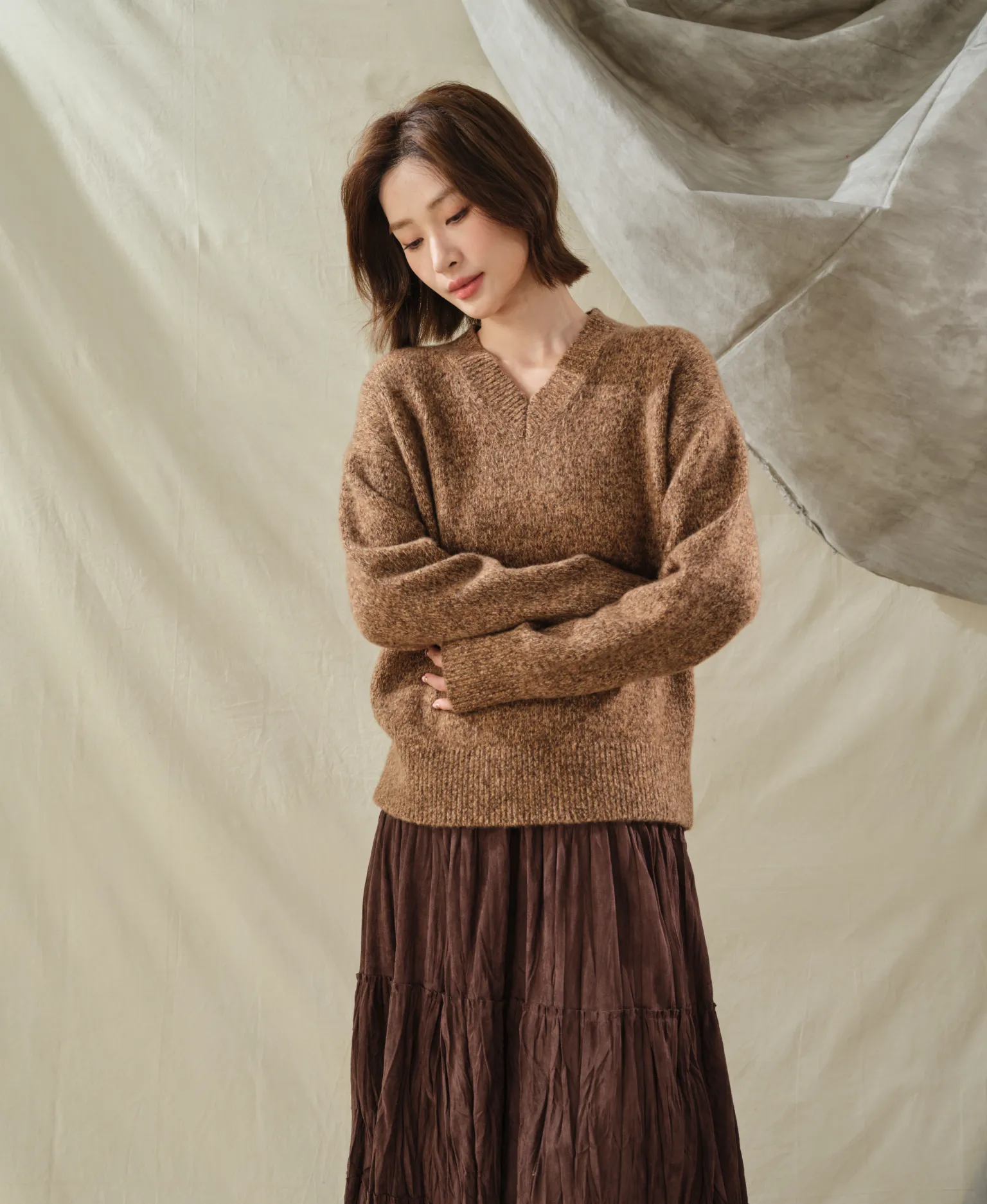
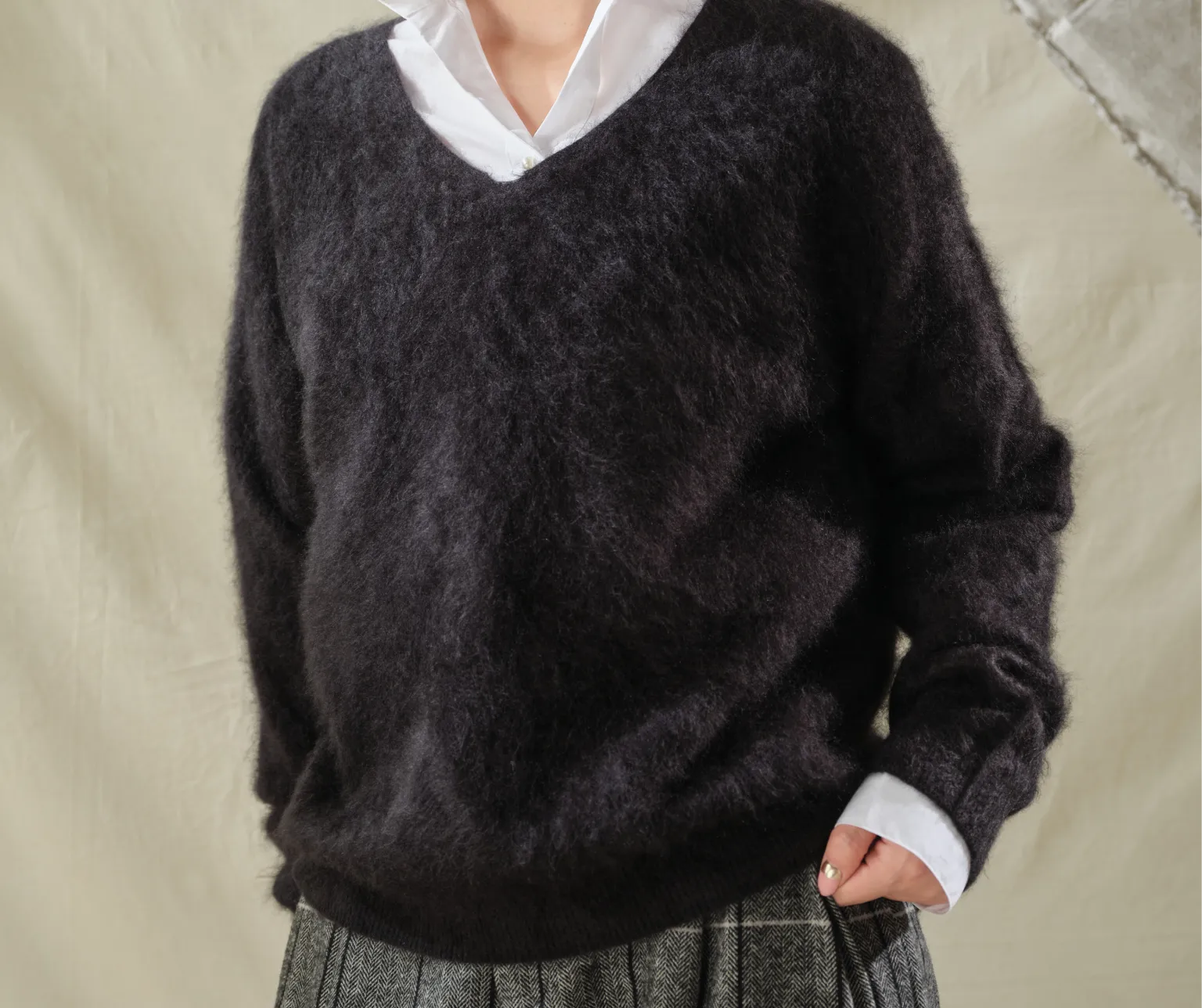
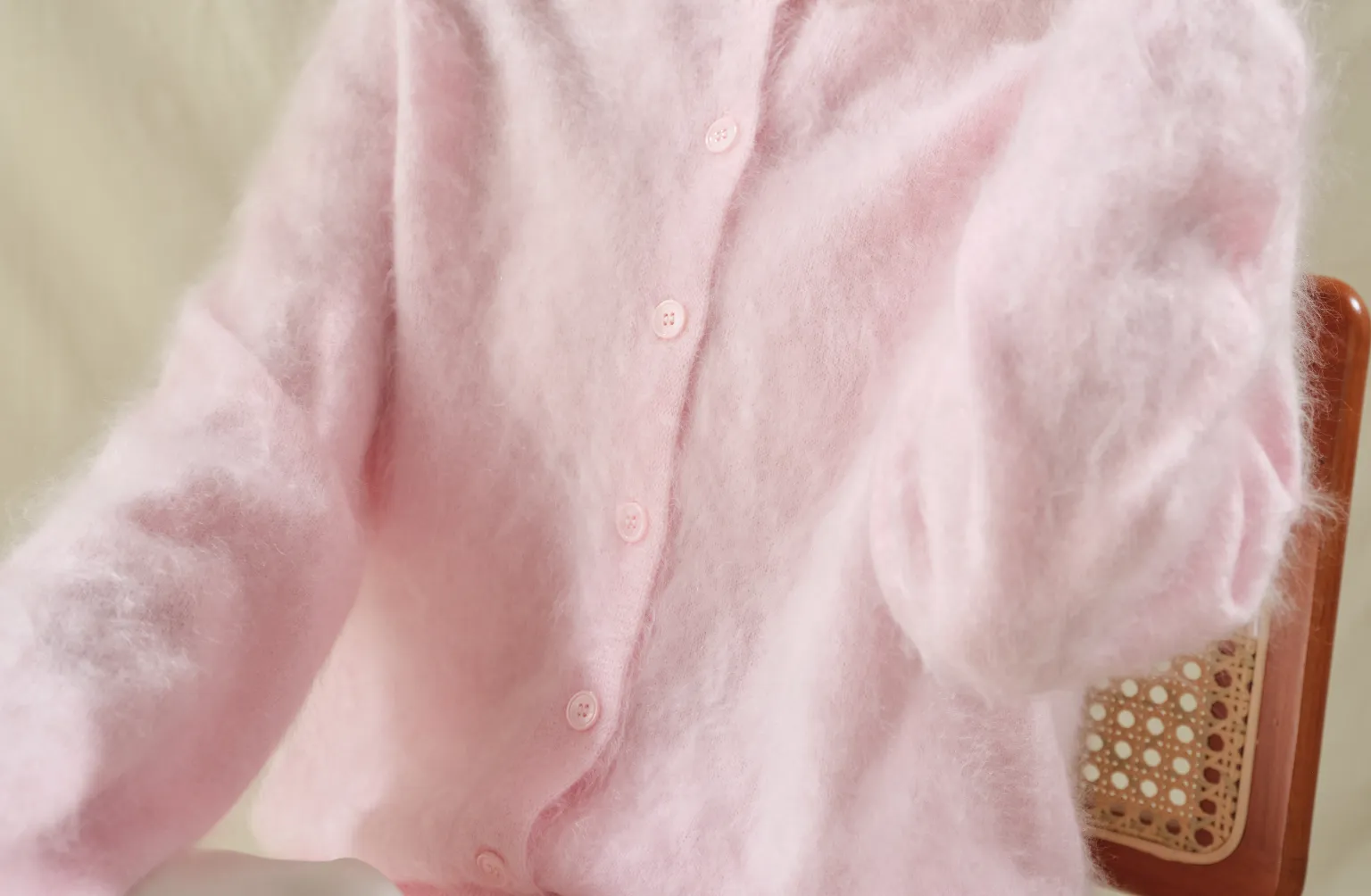
100% Cashmere V-Neck Pullovers

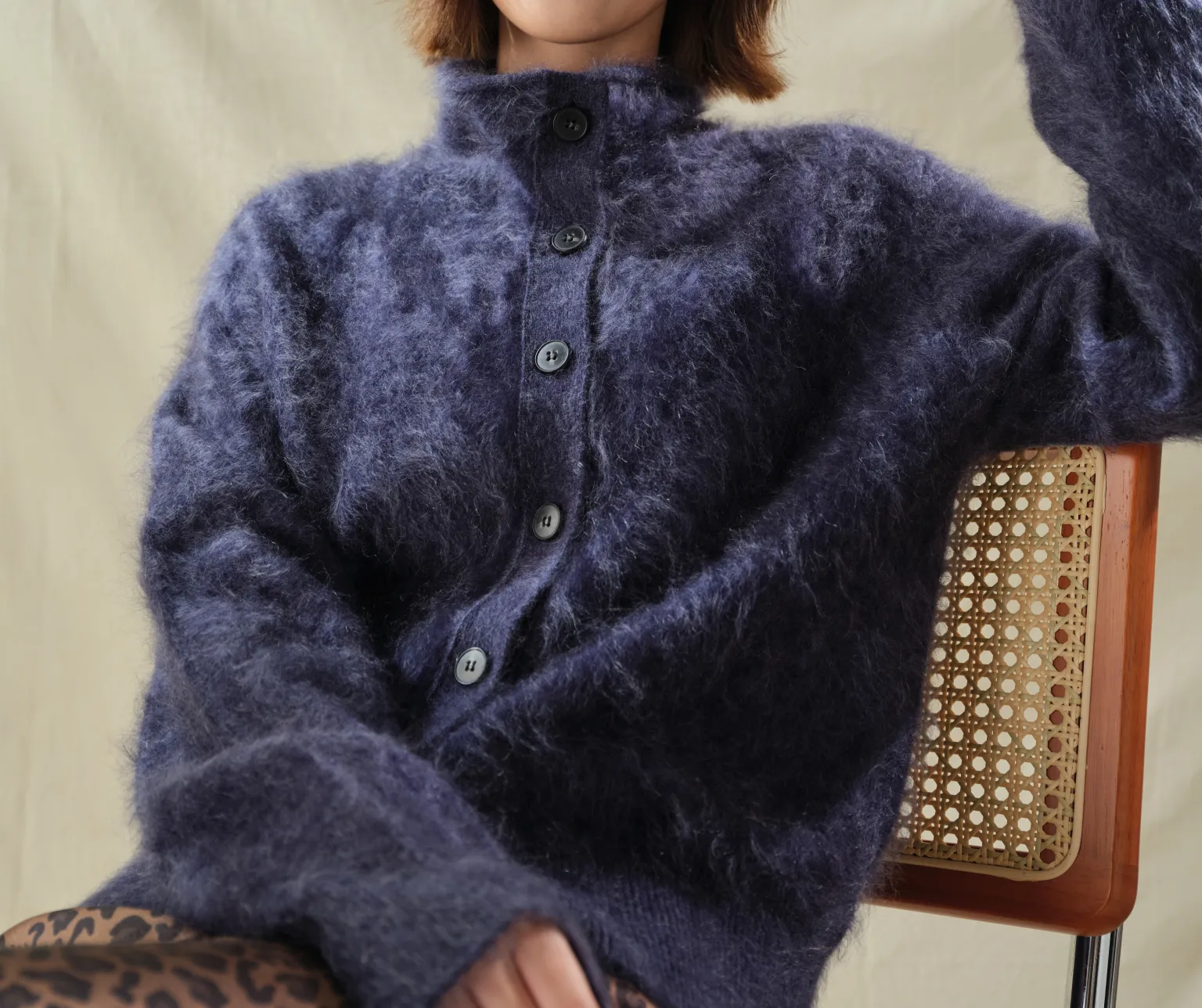
100% Cashmere Mock Neck Sweaters

Ribbed 100% Cashmere V-Neck Sweaters

100% Cashmere Chunky Cable Knits

Classic 100% Pure Cashmere V-Neck Sweaters

Textured 100% Cashmere Cable Knit Sweaters

Fine-Gauge 100% Cashmere Sweaters

100% Cashmere Classic Crew Neck Sweaters
With no blending fiber to compensate, 100% cashmere production depends on process discipline: dehairing efficiency at our own facility, spinning evenness at partner mills, calibrated knitting tension, and milling restrained enough to protect yarn security. Purity is verified by microscopic fiber analysis per lot, and measurements are audited after washing on every batch.
We guarantee authenticity through strict supply chain transparency and independent verification. We invite our B2B clients to submit our products to third-party laboratories (like SGS or Intertek) for microscopic fiber analysis, which scientifically proves the garment contains zero adulterants, whether other animal fibers or synthetics.
Severe pilling in pure cashmere is caused by two factors: utilizing inferior, short-staple fibers that easily escape the yarn twist, or aggressive "over-milling" (washing) by the factory to artificially enhance softness, which breaks down the yarn structure. We prevent this by exclusively using 34-36mm long-staple fibers and executing restrained, precision wet-finishing.
Woolen spinning introduces air into the yarn, creating the lofty, voluminous, and warm texture typical of classic winter sweaters. Worsted spinning is a complex process that combs the longest fibers perfectly parallel and twists them tightly. This creates a dense, incredibly smooth, highly durable yarn ideal for ultra-fine, lightweight layering pieces.
Prototype sampling for 100% pure cashmere usually takes 7 to 14 days when utilizing our extensive inventory of over 100 stock yarn colors. Following sample approval, standard bulk production typically requires 30 to 45 days, depending on the complexity of the knit structures and the overall order volume.
A "100% cashmere" label is a legal claim, not a marketing phrase. In the United States it falls under the Textile Fiber Products Identification Act; in the European Union, Regulation (EU) No 1007/2011 governs fiber names and tolerances. Both frameworks permit only minimal tolerance for foreign fiber, and both place the burden of proof on the seller. Buyers building pure cashmere programs should understand how purity is specified, verified, and protected through production.
How purity is measured. The recognized method is microscopic fiber identification (ISO 17751 and related national standards), in which a trained analyst counts and classifies fibers by diameter, scale structure, and medullation. The test distinguishes cashmere from other animal fibers and from synthetics, and it can be applied to raw fiber, yarn, or finished garments. We verify purity per lot by this method and make the report available with sample orders — the criteria behind the fiber grades are detailed in our Grade A cashmere sourcing guide.
Why adulteration persists. Cashmere trades at many times the price of other animal fibers, which creates a standing economic incentive to blend in cheaper lookalikes and declare purity anyway. Chemically treated fine fibers can pass a hand check and even a casual burn test; microscopy is the reliable barrier. Buyers should request fiber analysis per production lot rather than accepting a certificate issued once for the relationship.
What purity changes in production. With no blending fiber to compensate, every process parameter shows in the finished garment: dehairing efficiency decides residual coarse fiber content, spinning evenness decides surface quality, and milling restraint decides how the fabric ages. Yarn for these programs is selected from our pure cashmere yarn collection, with count and ply matched to the garment's intended gauge. Programs that target a lower price point without leaving the luxury segment can move to our silk-cashmere range, which follows the same lot-level documentation discipline.
Labeling and documentation. Export programs should carry fiber content declarations matching the destination market's format, supported by lot-level test records. Repeat and volume programs with this documentation in place are scheduled through our wholesale service, with purity verification repeated per lot rather than per season.
Buying behavior this supports. Pure cashmere programs are typically the highest-priced line a brand carries, and they attract the most informed end customers. Fiber documentation per lot gives retail buyers and end consumers a verifiable answer when the purity question is raised — and in this category, it is raised regularly. Programs built on documented purity convert that scrutiny into a selling point rather than a liability.