
Search
Enter keywords to search for products, blog posts, and more.
Enter keywords to search for products, blog posts, and more.


Women's Cropped Cashmere Half-Zip Sweaters

Women's Classic Cashmere Cardigans

Women's Chunky Cashmere Turtleneck Sweaters

Women's Cropped Cashmere V-Neck Cardigans

Women's Relaxed Cashmere Wide-Leg Pants

Women's Classic Cashmere Knit Trousers

Women's Classic Cashmere A-Line Skirts

Women's Heavyweight Ribbed Cashmere Skirts
Women's knitwear asks more of a manufacturer's development capacity: silhouettes shift faster, and color palettes change every season. Our design team tracks directional trends and translates them into knit-ready programs, while production runs through our audited partner network with measurements and shade verified on every batch.
Yes, our facility is equipped with high-density 16gg and 18gg flat knitting machines. We utilize fine single-ply yarns (100% cashmere or silk blends) to produce lightweight, highly breathable, and elegantly draping fabrics perfect for resort wear, evening layers, and warm-weather retail drops.
Our technical design team utilizes advanced CAD software to grade patterns across all sizes (XS to XXL). We do not simply scale up linearly; we adjust the bust, waist, and hip ratios specifically for the female form, ensuring the garment's aesthetic intention is maintained whether it is a skin-tight base layer or a slouchy boyfriend fit.
Absolutely. While we maintain an inventory of over 100 stock yarn colors for rapid sampling, we understand that women's collections often require highly specific seasonal hues. Custom Pantone matching is executed through our partner dye houses under our lab-dip approval protocol, with dips submitted for your approval before bulk production begins.
Prototype sampling usually takes 7 to 14 days when utilizing our extensive stock yarn inventory. Following sample approval, standard bulk production typically requires 30 to 45 days, depending on the complexity of the grading, the gauge requirements, and the overall order volume.
Women's cashmere differs from men's in one structural way: the product cycle is faster. Silhouettes shift seasonally, color palettes rotate, and a manufacturer's development capacity matters as much as its production floor. Buyers planning a women's line should evaluate a partner on three capabilities.
Development throughput. A credible women's program requires new styles every season, not re-runs of last year's blocks. Our development team releases more than 300 new women's styles annually across sweaters, cardigans, and dresses, giving ODM clients a current starting point and OEM clients a technical team that reads directional references without lengthy translation. Core categories such as cashmere cardigans anchor most programs, with fashion styles rotating around them.
Color management. Women's palettes move faster than stock shade cards. Programs typically combine stock colors for speed with custom lab dips for anchor shades, all approved before bulk dyeing. Lab-dip accuracy on first submission is a measurable capability, and buyers should ask suppliers for their first-pass rate.
Size architecture. Women's grading is less standardized than men's: contemporary, petite, and plus blocks grade differently, and silhouette intent changes with size. A relaxed style graded proportionally becomes shapeless at larger sizes. Specs should state grading intent per block, and fit samples should be verified on the target block rather than a standard medium.
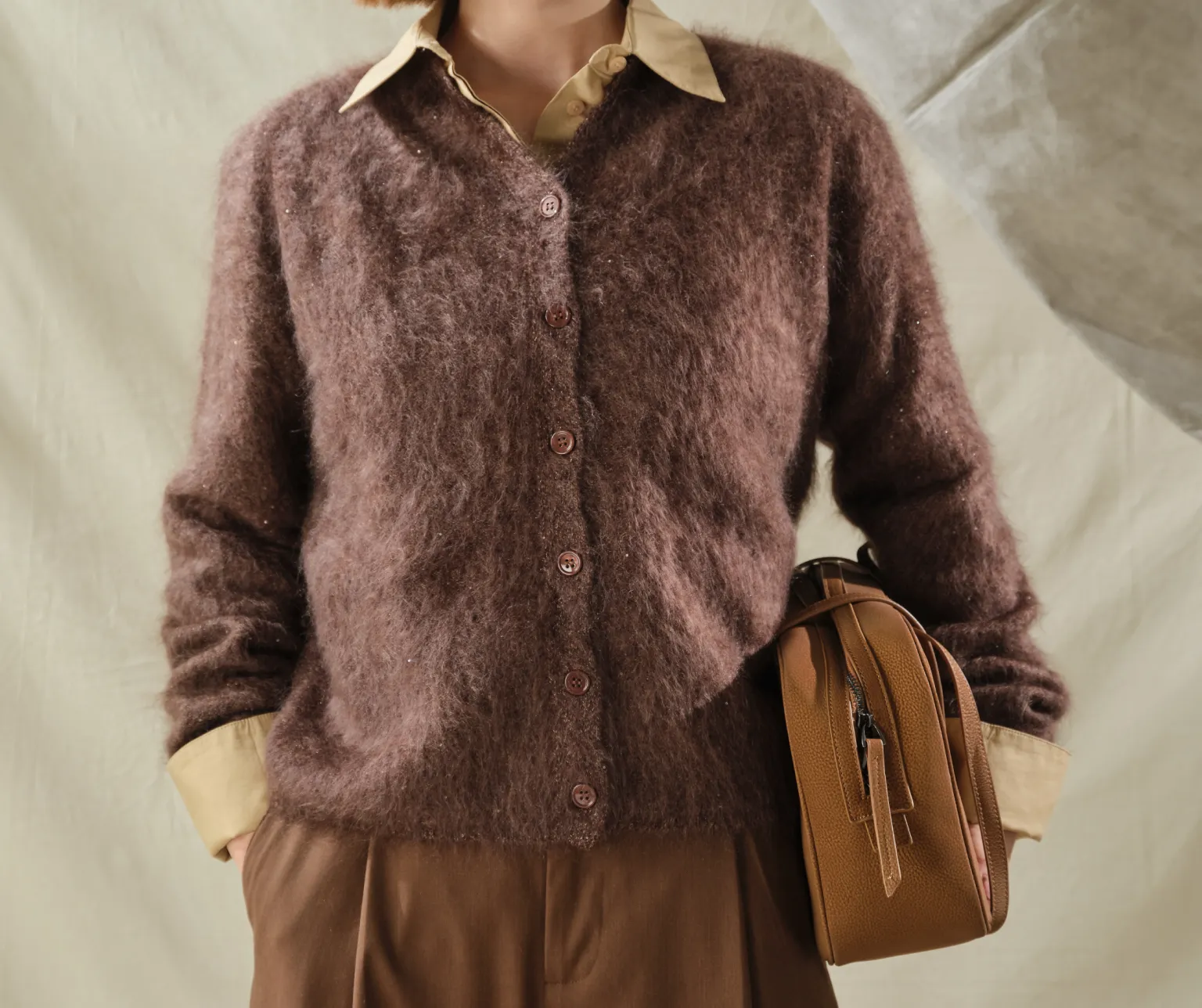
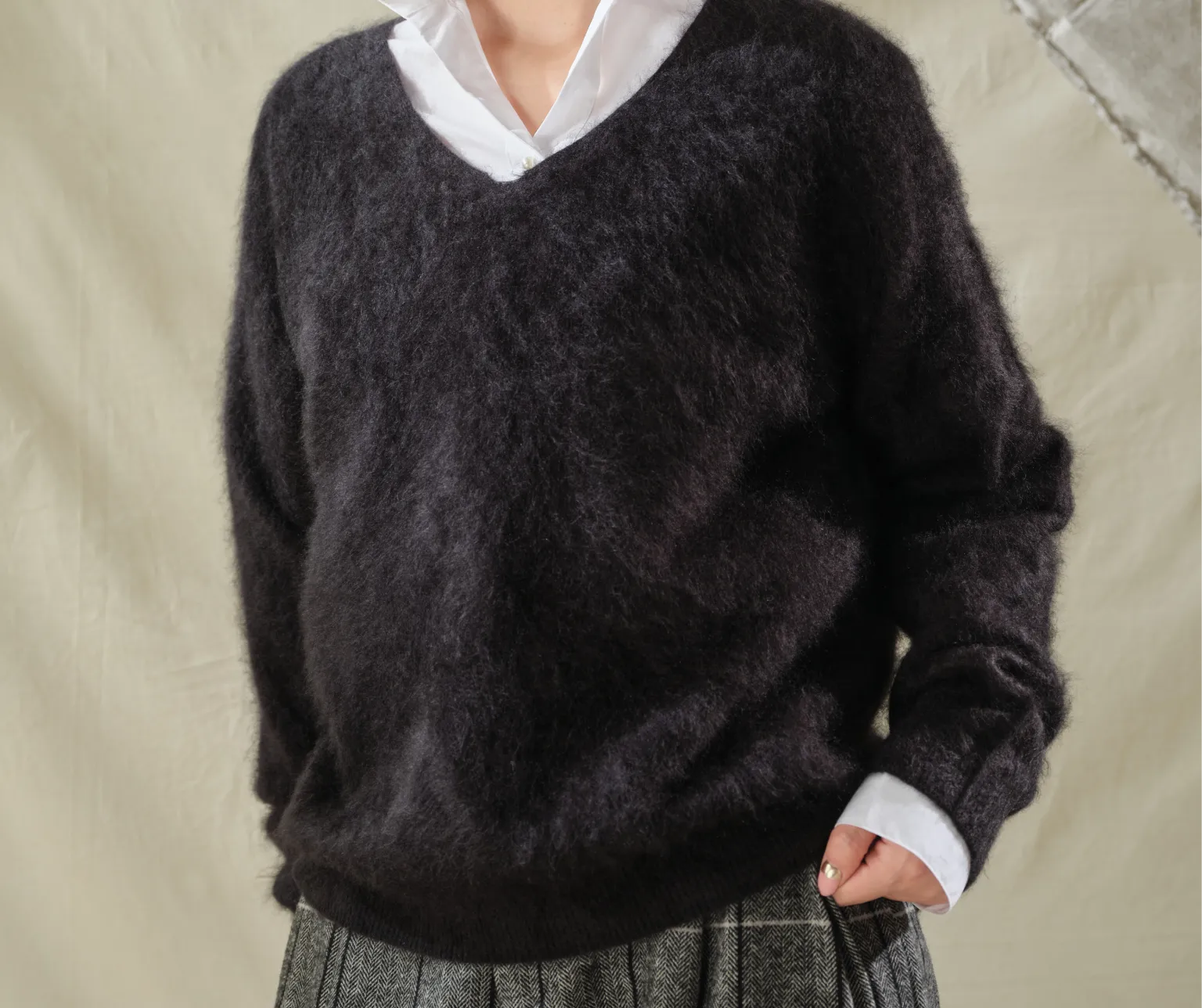
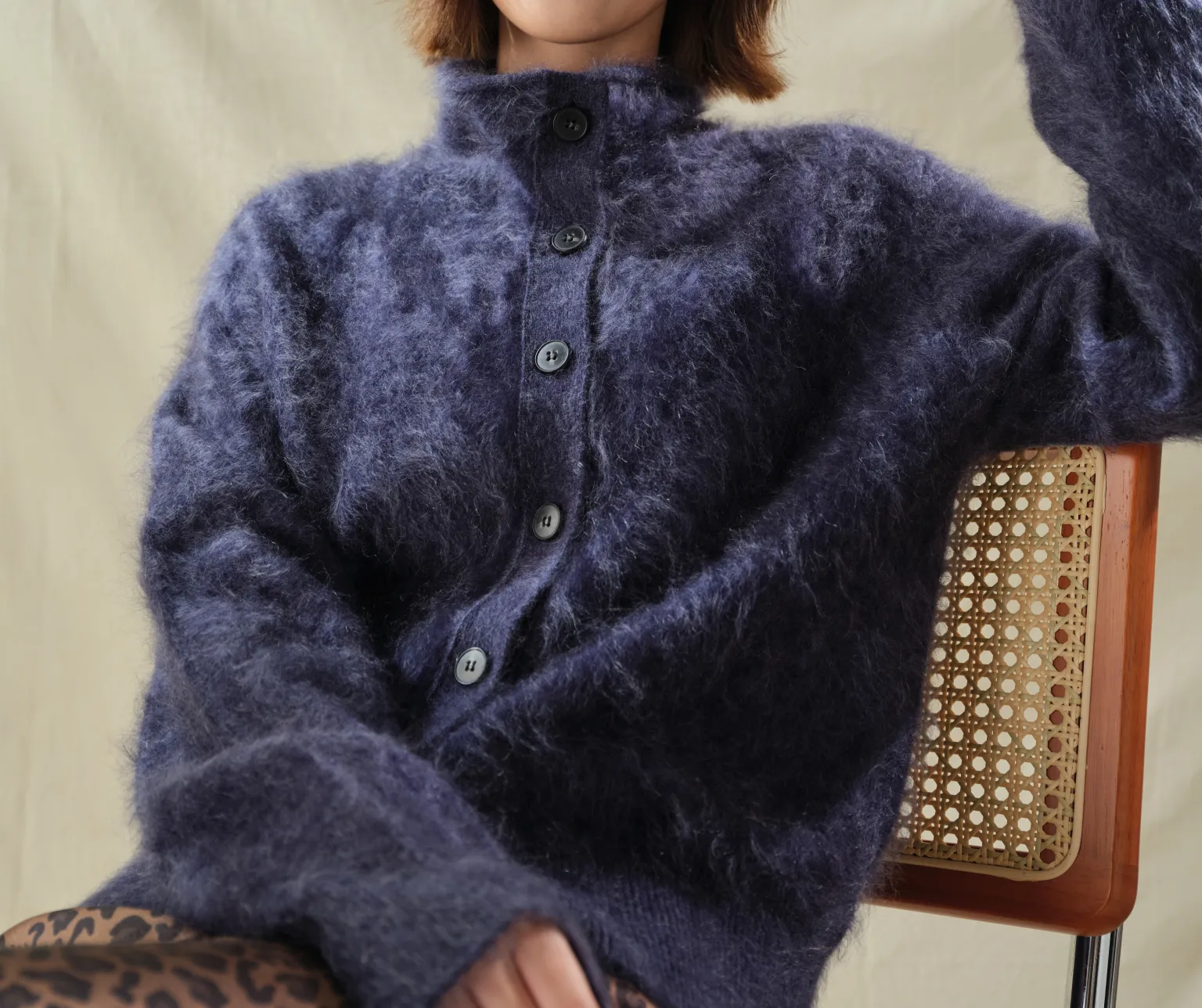
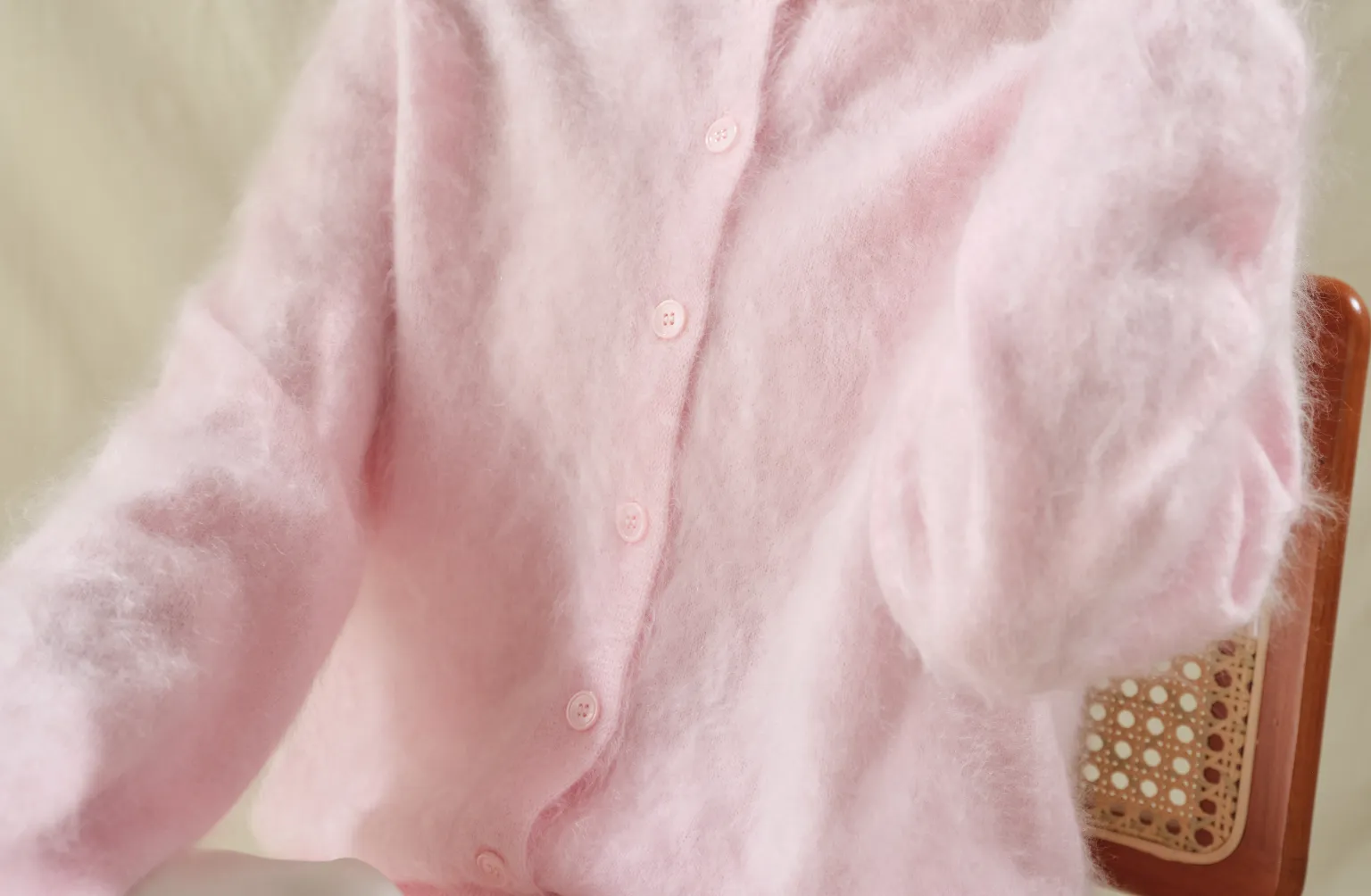
Fabric priorities. Women's styles skew toward lighter gauges and surface interest. Fine-gauge 14gg to 16gg knits dominate trans-seasonal drops, while textured finishes — particularly brushed cashmere — drive the higher price points in fall collections. Brushed programs require anti-shedding process control, since raised fibers are mechanically less secure.
Program structure. Successful women's programs separate core styles (re-ordered, spec-locked) from fashion styles (single-season, faster sampling). Our custom development service supports both tracks: documented specifications for repeat styles and rapid sampling for seasonal capsules.
Quality documentation. Women's programs benefit from lot-level test records — pilling, colorfastness, and dimensional change — because multi-style drops share yarn across silhouettes, and a yarn issue surfaces everywhere at once. Records per yarn lot let buyers isolate problems to a single delivery instead of a whole season, and they provide the traceability documentation increasingly requested by European retail accounts.