
Search
Enter keywords to search for products, blog posts, and more.
Enter keywords to search for products, blog posts, and more.


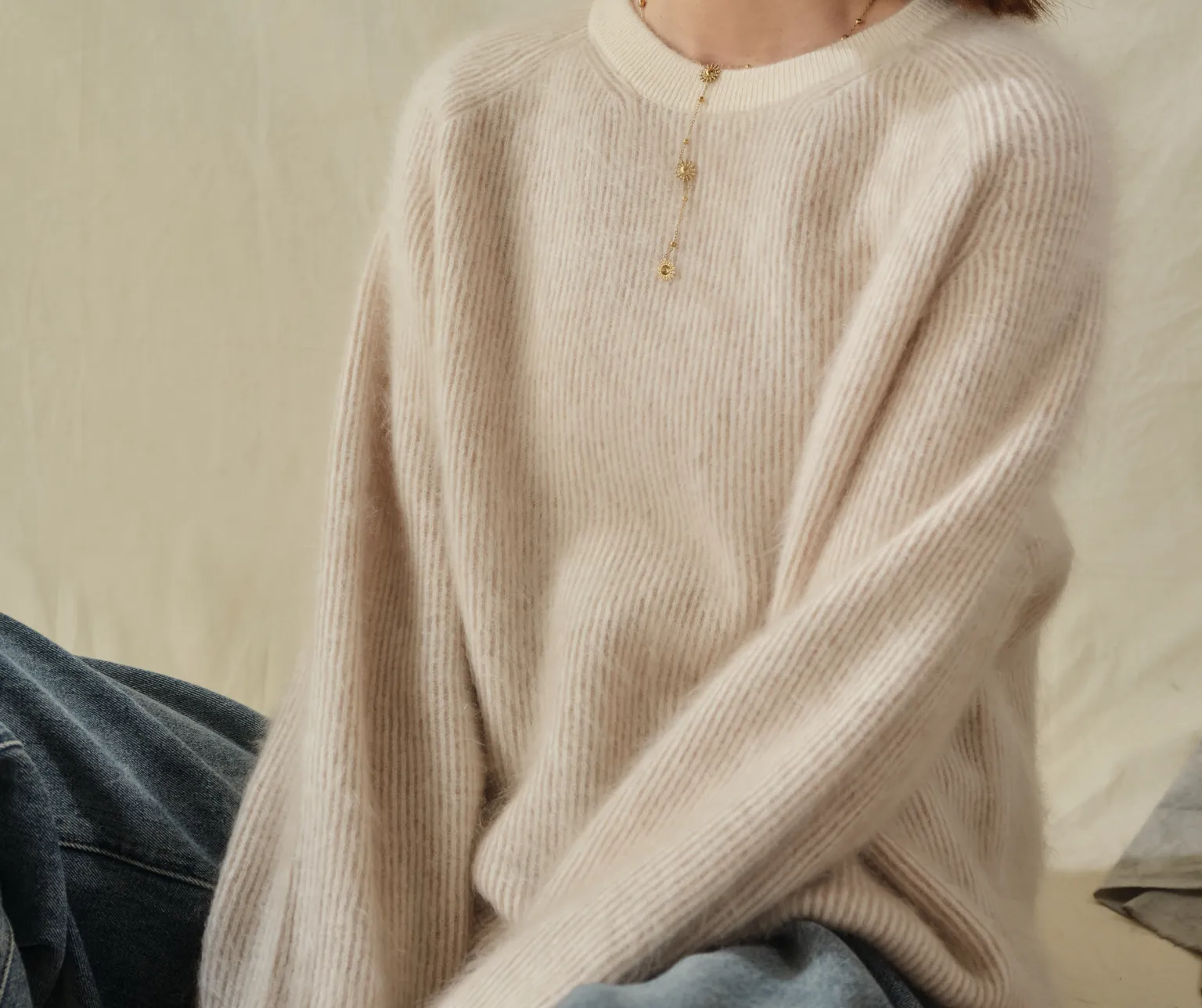
Classic Cashmere Cable Knit Crew Neck Sweaters

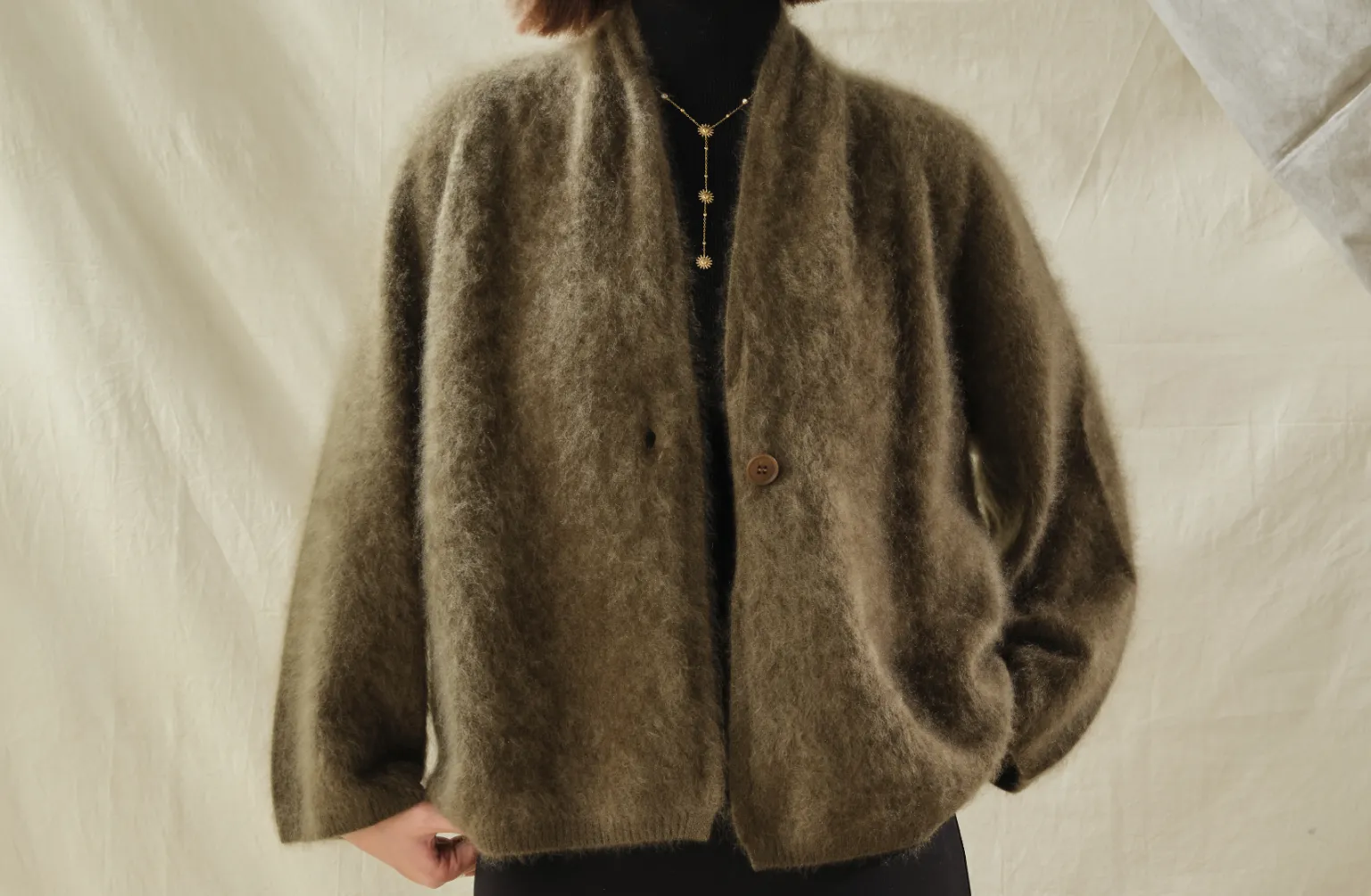
Oversized Cable Knit Cashmere Sweaters

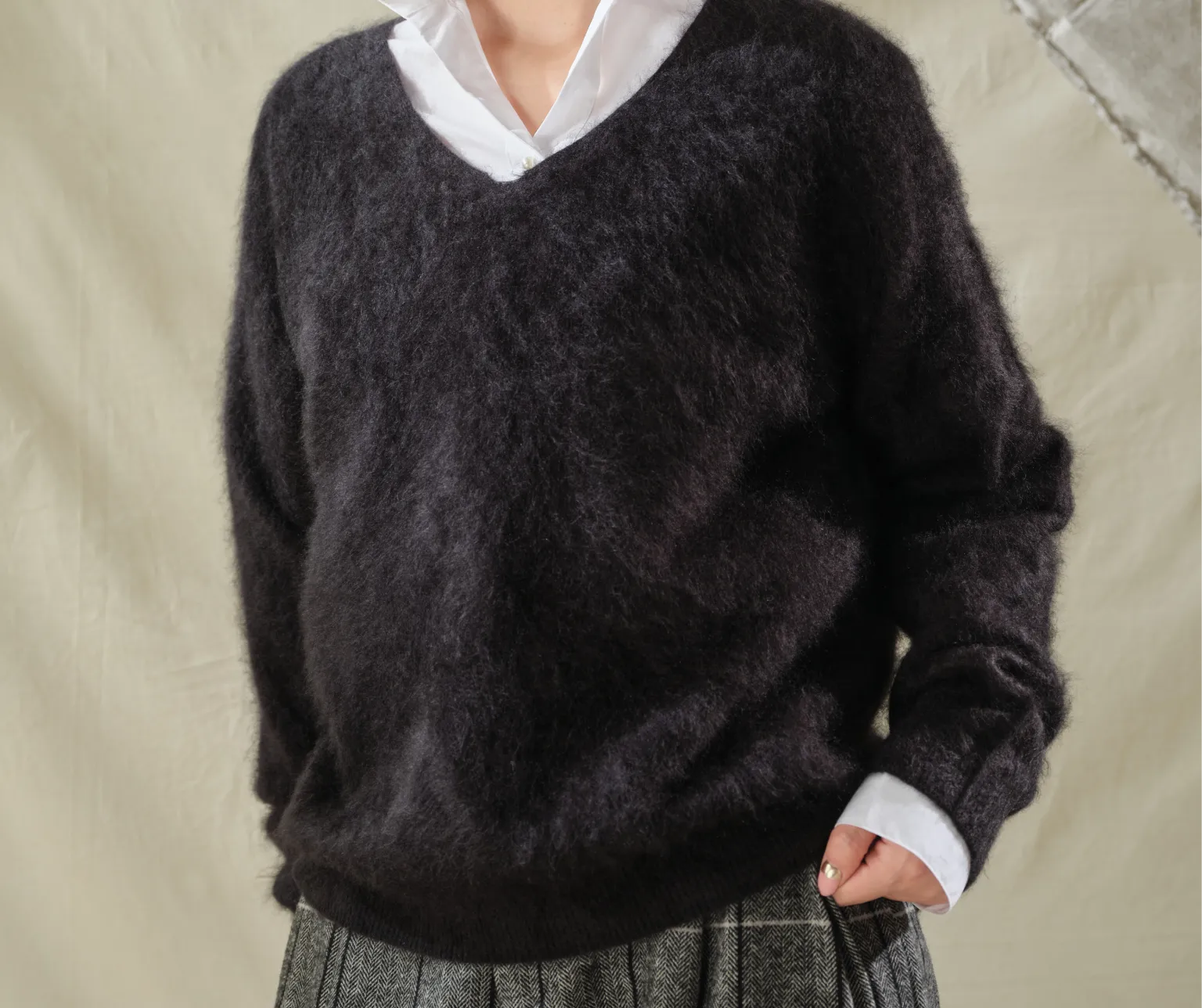
Chunky Cashmere Cable Knit Cardigans

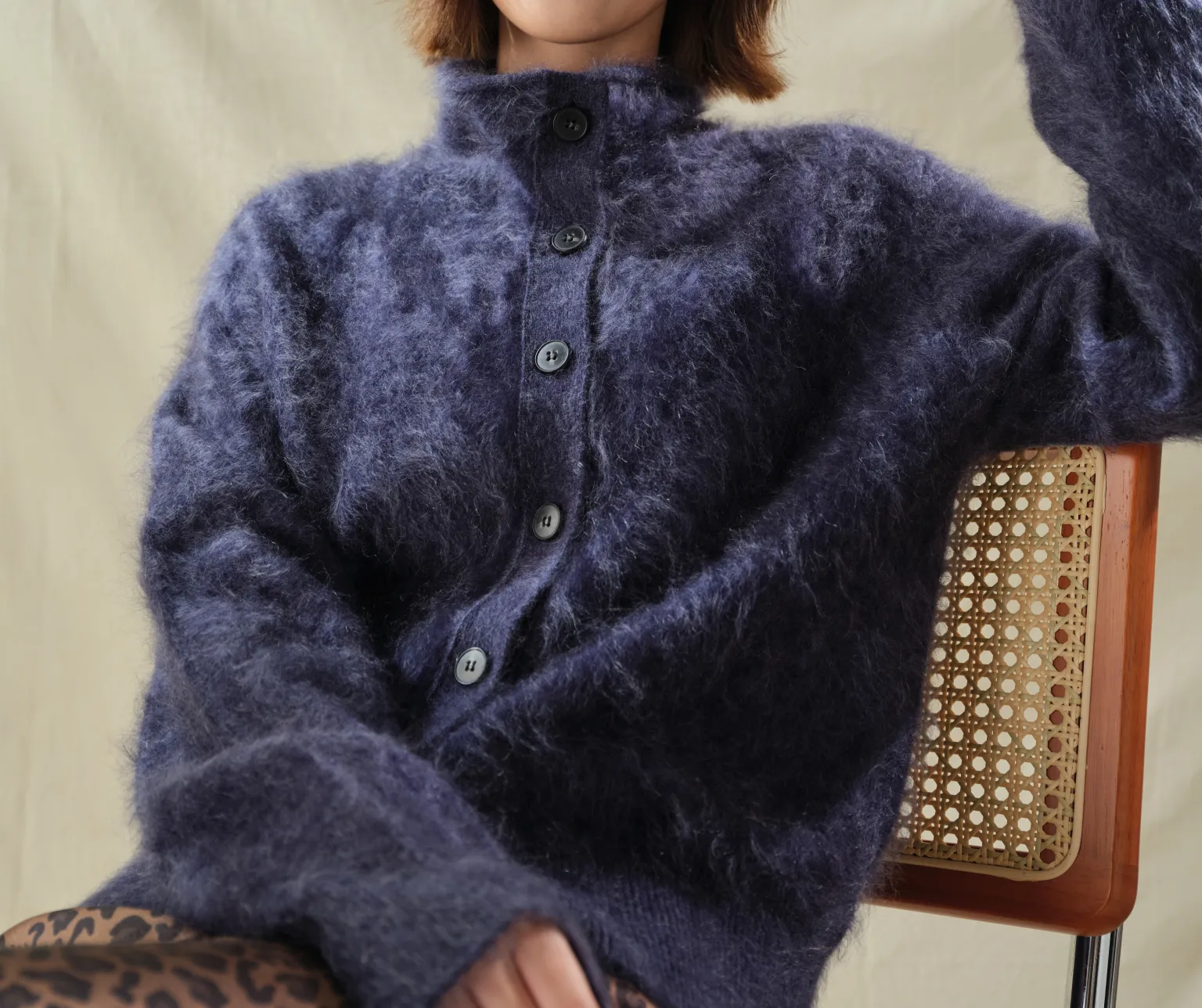
Cropped Cable Knit Cashmere Cardigans
Cable knitting slows machine speed and increases yarn consumption, which is why cable styles are quoted only after a knitted swatch confirms weight and stitch definition. We manage fiber preparation at our own facility and place knitting and finishing with partner mills whose cable work has passed our audits. Bulk pieces are checked against the approved panel for crossover count, tension, and measurements.
Yes, our programming team can translate your sketches, tech packs, or reference samples into custom computerized knitting programs. We handle everything from classic rope cables and diamond motifs to highly complex, mixed-texture Aran styles across various gauges.
Cable knitting inherently requires overlapping stitches, which consumes approximately 30% to 50% more yarn compared to a standard jersey knit sweater of the same dimensions. This increased raw material usage directly impacts the final weight and unit cost, which we calculate transparently during the initial tech pack review.
Prototype sampling for structured knits usually takes 7 to 14 days when utilizing our extensive inventory of stock yarn colors. Following sample approval, bulk production typically requires 30 to 45 days, depending on the complexity of the cable programming and the overall order volume.
We preserve the 3D texture by exercising extreme precision during the wet finishing (milling) stage. By tightly controlling the washing duration, temperature, and using specific flattening-resistant drying protocols, we ensure the cashmere blooms for softness without felting the gaps that define the cable structure.
Cable patterns are created by crossing groups of stitches over one another on the knitting machine. The technique is ancient, but in production terms a cable is a set of mechanical constraints that affect yarn selection, machine time, garment weight, and cost. Buyers specifying cable-knit cashmere benefit from understanding these constraints before development begins.
Yarn consumption. Crossing stitches shortens the fabric in both directions, so a cable panel consumes substantially more yarn than a plain panel of the same dimensions — typically 20 to 40 percent more, depending on cable density and width. This is why cable sweaters are quoted by knitted weight rather than estimated from a plain-knit equivalent, and why a swatch in the actual cable layout is the only reliable basis for costing.
Machine time and gauge limits. Cable crosses require the machine to transfer stitches between needle beds, which slows production and limits how many cables can sit side by side at a given gauge. Fine-gauge machines (14gg and above) produce delicate, refined cables; chunky 3gg machines produce the deep, sculptural relief associated with heritage knitwear. Our cable knit range shows both ends of this spectrum, and the choice between them is a design decision with direct cost consequences.
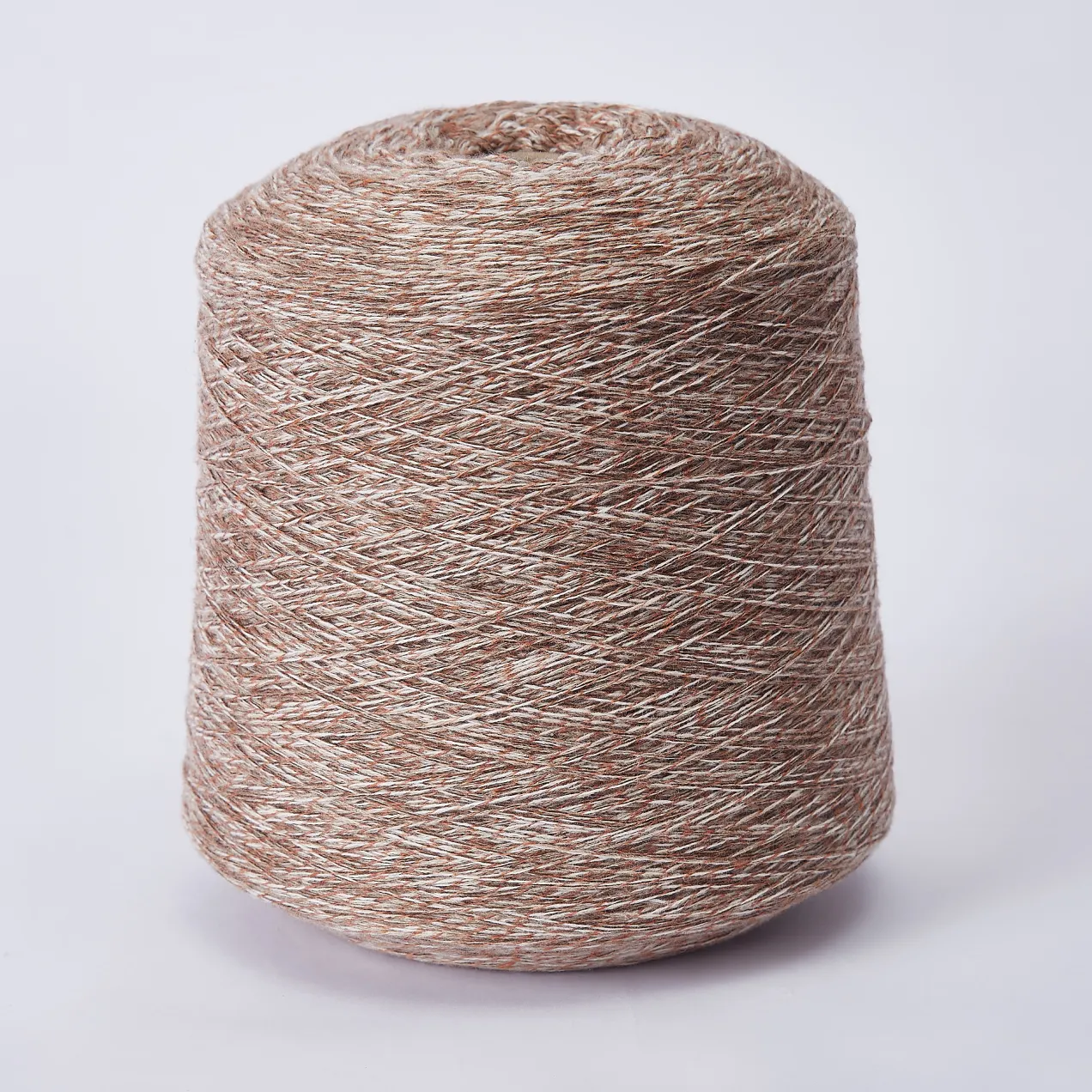
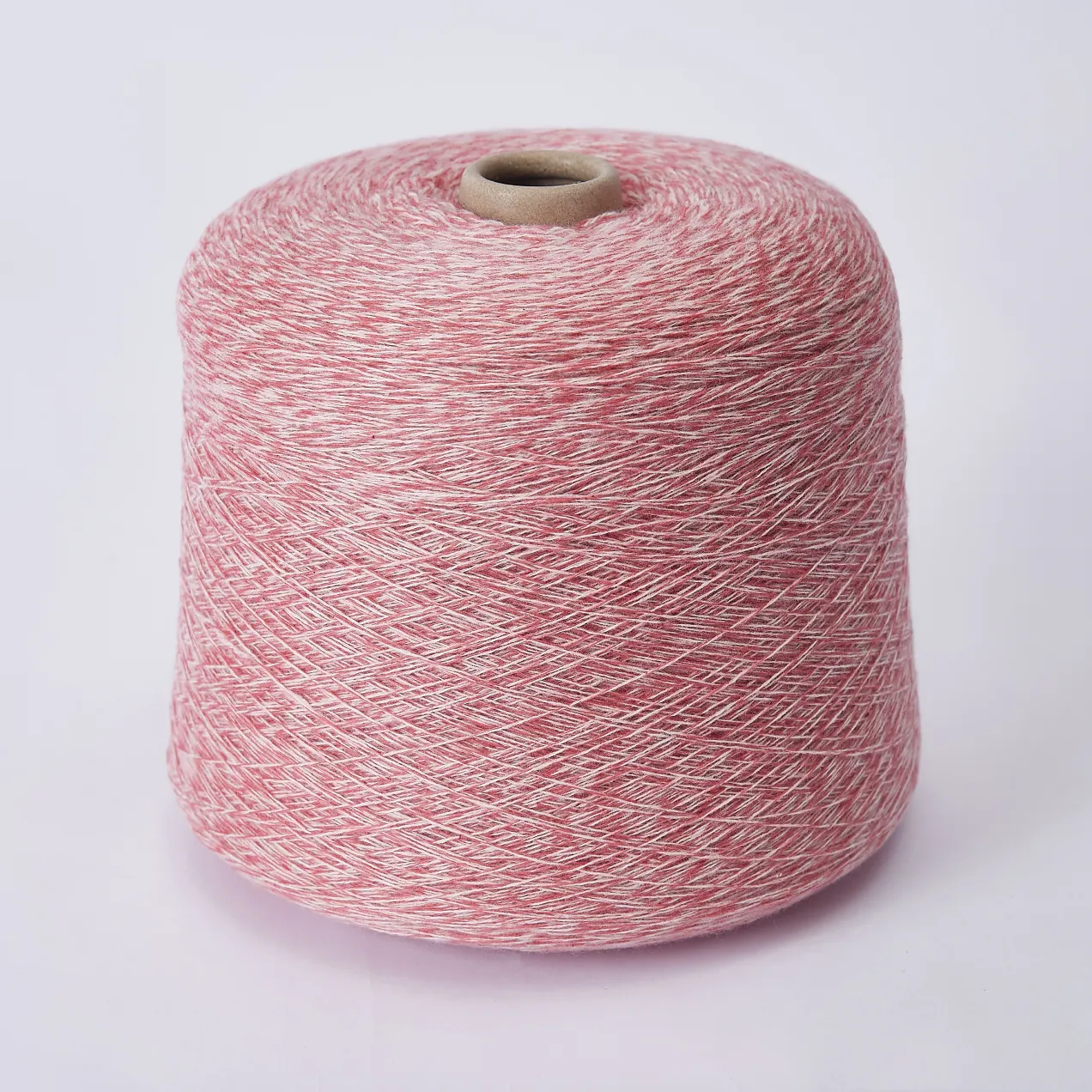
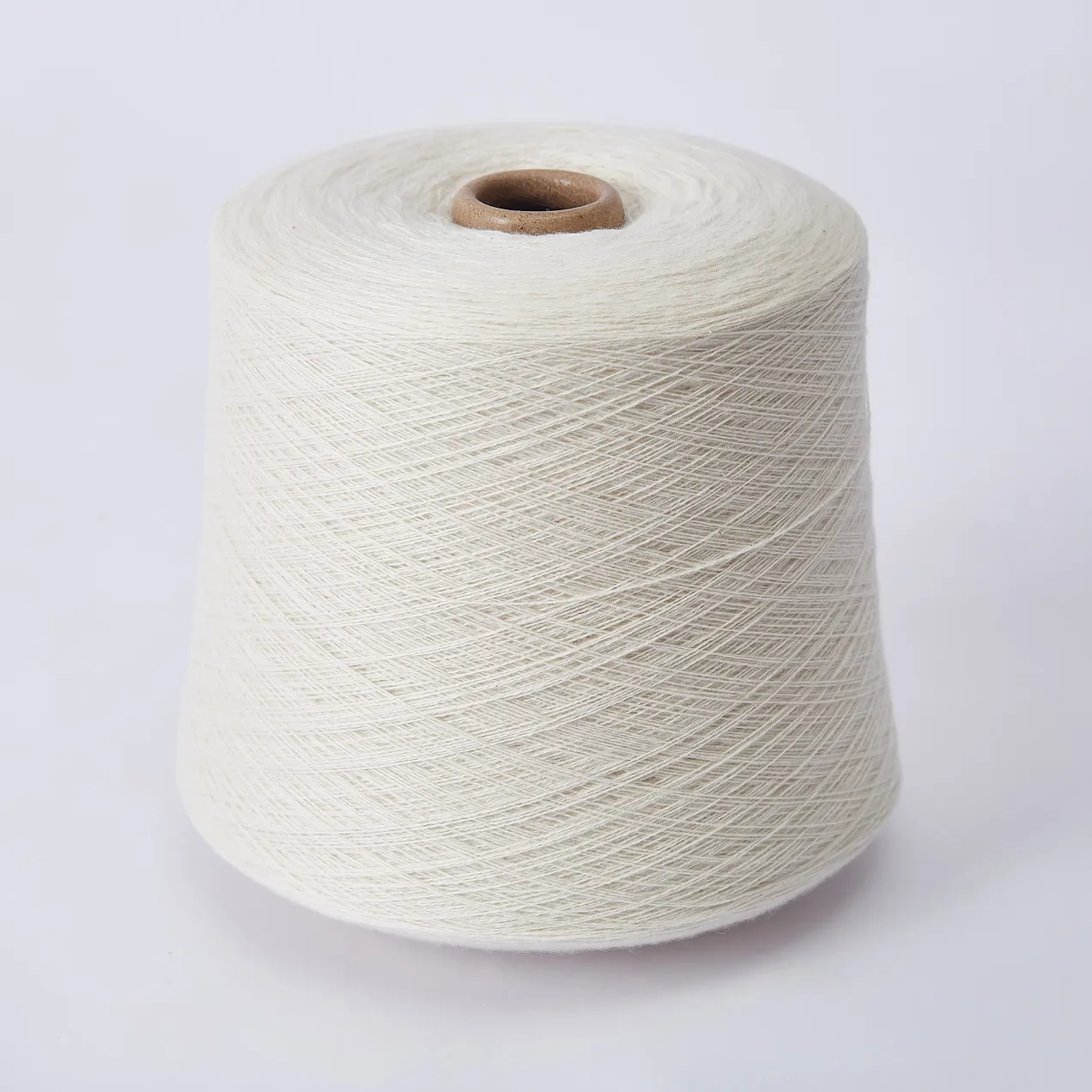
Yarn specification. Cables magnify yarn irregularities: uneven twist reads as a wandering cable line, and variable dye uptake shows as striping along the crossover rows. Plied yarns with even twist are the professional choice for cable work. Counts validated for textured structures can be reviewed in our fancy yarn collection, and cable swatches are available on request before bulk yarn is committed.
Finishing behavior. Cable fabrics respond to milling differently from jersey: the raised crosses bloom faster than the recessed ground. Finishing parameters must be tuned so the ground reaches full softness without letting the cable definition blur — a calibration done at sample stage and recorded for bulk.
Programs run through our custom development service include cable-layout sampling as a standard step, with crossover counts, panel widths, and finished measurements documented for repeat orders.
Pattern documentation. Because cable layouts cannot be fully described in a flat sketch, professional programs document them as knitted panel notation: crossover count, cable width in stitches, and row repeat. This notation travels with the style across seasons and protects the pattern when production volumes scale or additional colors are introduced.