
Cashmere Garment Shrinkage and Dimensional Stability: B2B Dimensional Control Guide
Dimensional stability is a core performance metric evaluated by quality assurance teams during bulk knitwear intake. Unlike synthetic fibers or stable wovens, luxury animal fibers possess unique scale structures that react dynamically to moisture, mechanical agitation, and thermal shifts. When a luxury cashmere knitwear program suffers from unpredicted dimensional distortion—such as severe lengthwise shrinkage or width relaxation after initial home laundering—retail partners face high return rates and brand erosion. For B2B procurement directors, controlling shrinkage requires establishing rigid laboratory testing protocols, managing wet finishing relaxation shrinkage, and specifying precise care guidelines in bulk tech packs for custom cashmere programs.
1. The Physics of Cashmere Shrinkage: Why Knits Distort
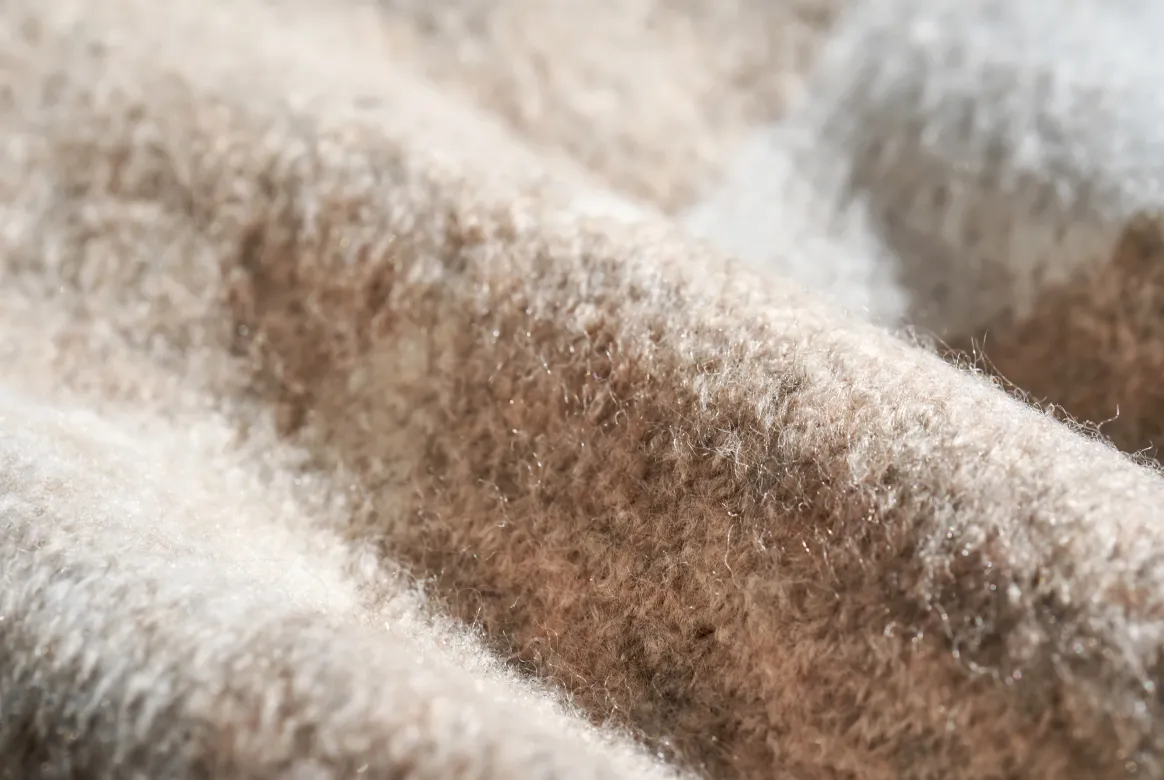
Cashmere fiber is covered in microscopic cuticular scales pointing toward the tip end. During laundering, exposure to water, alkaline detergents, and mechanical friction causes these scales to interlock permanently—a phenomenon known as felting shrinkage. Simultaneously, release of internal stresses locked into the yarn during spinning and automated flat-bed knitting causes immediate relaxation shrinkage.
Understanding this dual mechanism is critical for B2B buyers. While relaxation shrinkage can be controlled entirely through pre-shrinkage wet finishing treatments at the factory, felting shrinkage is heavily influenced by fiber quality, yarn twist, and stitch density. Programs utilizing short-staple fibers lack adequate internal cohesion, accelerating scale entanglement and dimensional failure. Reviewing raw material baselines against our Grade A cashmere sourcing guide ensures that fiber integrity supports long-term dimensional stability.
| Shrinkage Type | Primary Trigger | Prevention / Control Method |
|---|---|---|
| Relaxation Shrinkage | Release of yarn twist and stitch strain during first water exposure | Controlled relaxation milling and precise steam blocking before garment linking |
| Felting Shrinkage | Interlocking cuticular scales under heat, moisture, and agitation | Long-staple fiber selection, optimum yarn twist, and anti-felting enzyme treatments |
| Thermal Shrinkage | Excessive tumble-dryer temperatures or aggressive ironing | Clear consumer care labeling and low-temperature finishing parameters |
2. Standardized Testing Protocols for Bulk Acceptance
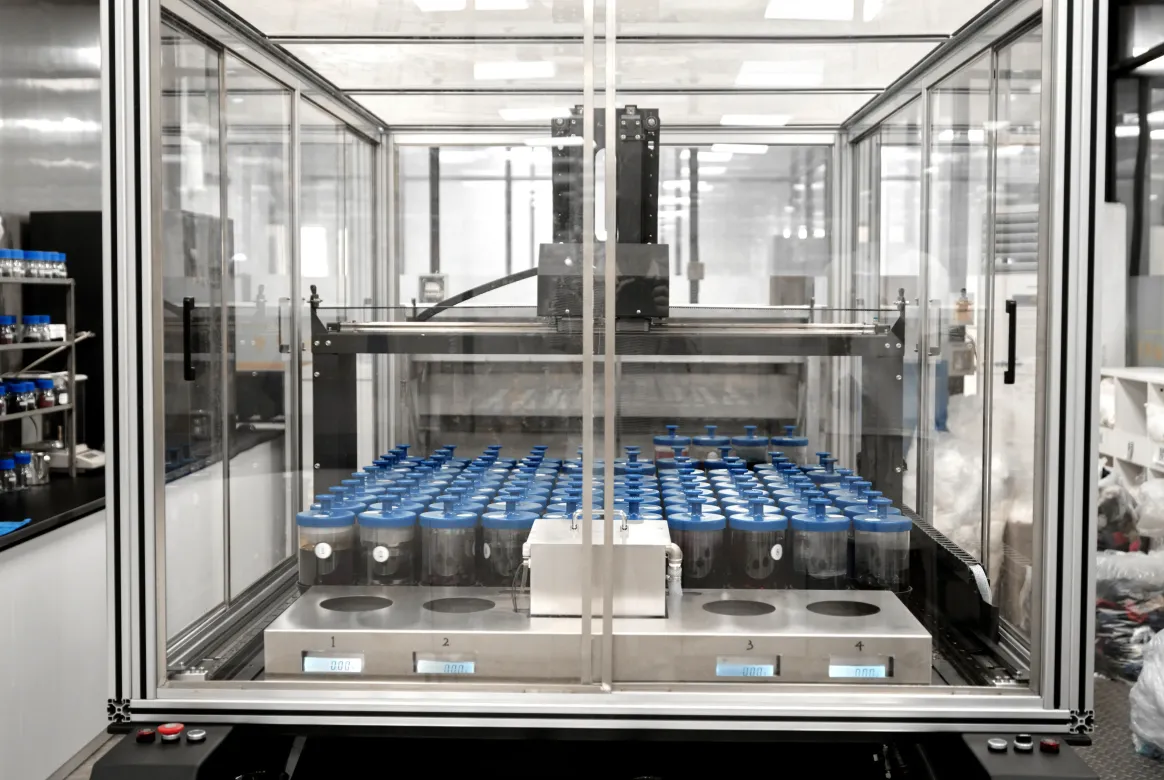
To prevent disputes between sourcing offices and manufacturing partners, purchase orders must reference recognized international test standards for dimensional change after laundering. Relying on visual inspection without laboratory wash testing is a primary cause of retail defects.
- ISO 6330 / ISO 5077: Specifies domestic washing and drying procedures for textile testing, measuring dimensional change in length and width.
- AATCC Test Method 135 / 150: The standard North American protocol for measuring dimensional changes in automatic laundering of woven and knitted garments.
- ISO 3759: Governs preparation, marking, and measuring of textile specimens and garments in tests for determining dimensional change.
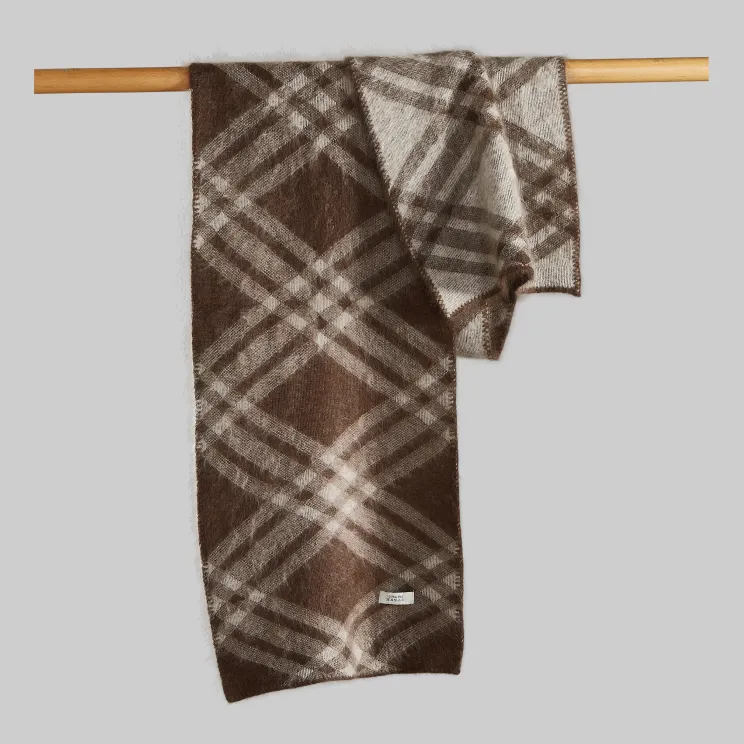
For high-end 100 percent cashmere programs, standard commercial tolerance for dimensional stability after three standard wool-cycle wash tests is strictly capped at ±3% for both length and width. Accessories such as cashmere scarves and cashmere shawls require equally rigorous testing to prevent edge distortion.
3. Engineering Dimensional Control in Manufacturing
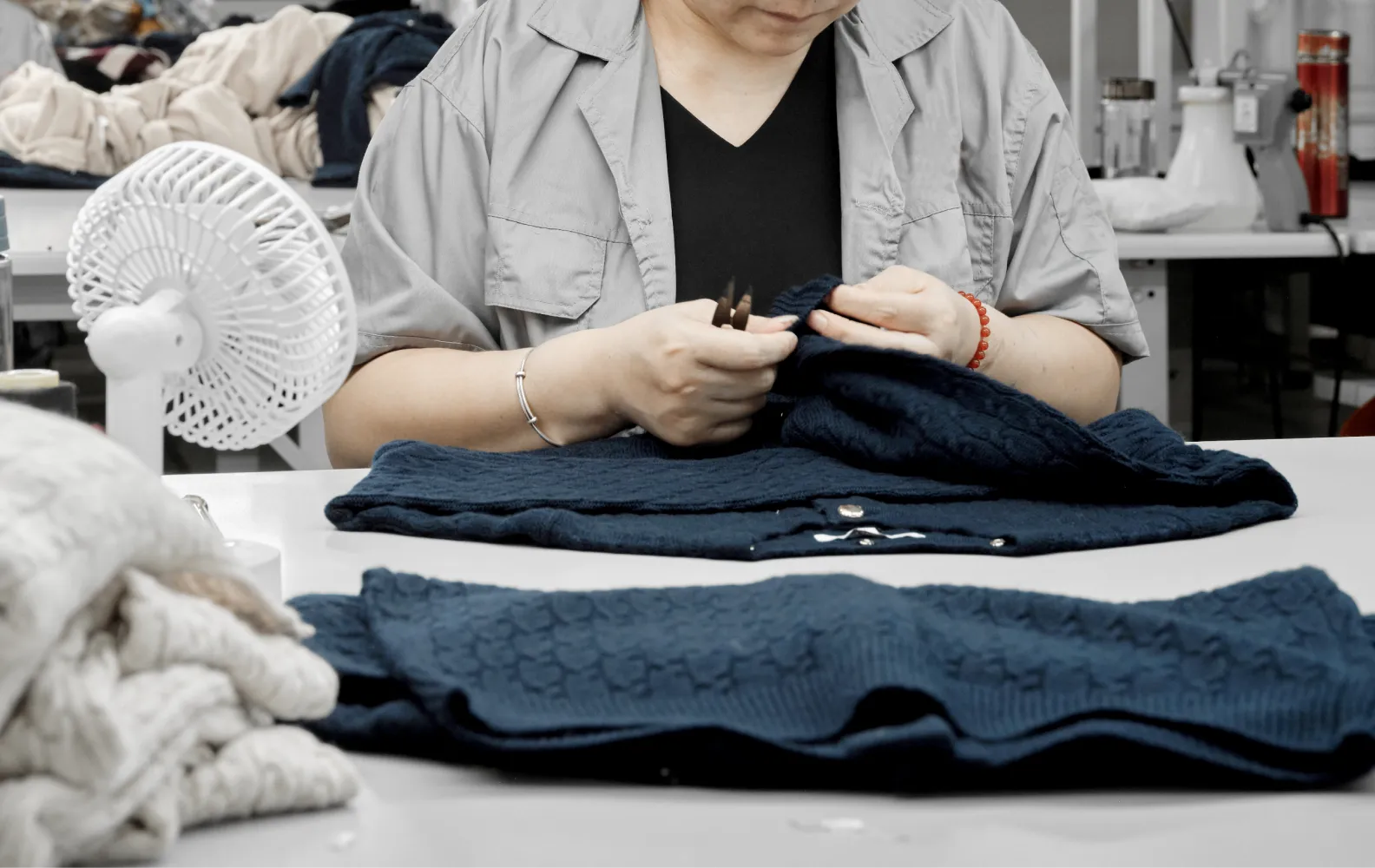
Controlling shrinkage is an active engineering process executed across three production stages: spinning, knitting, and wet finishing.
Yarn Twist Optimization
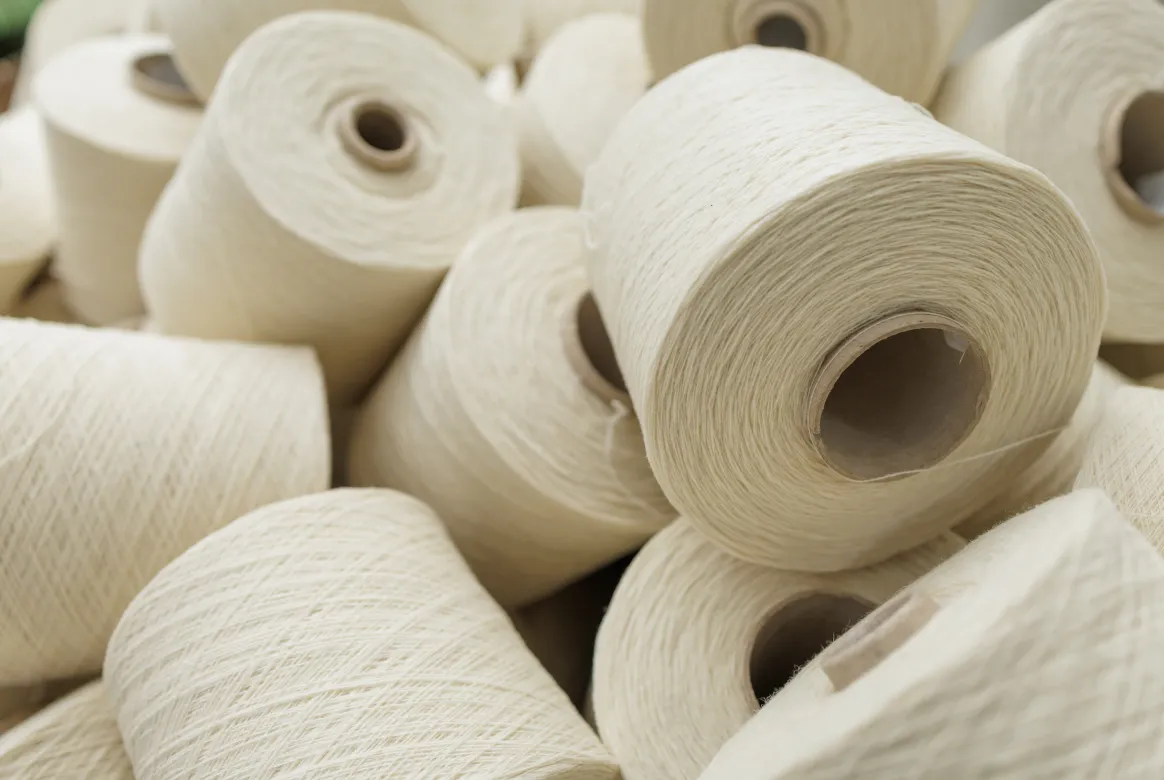
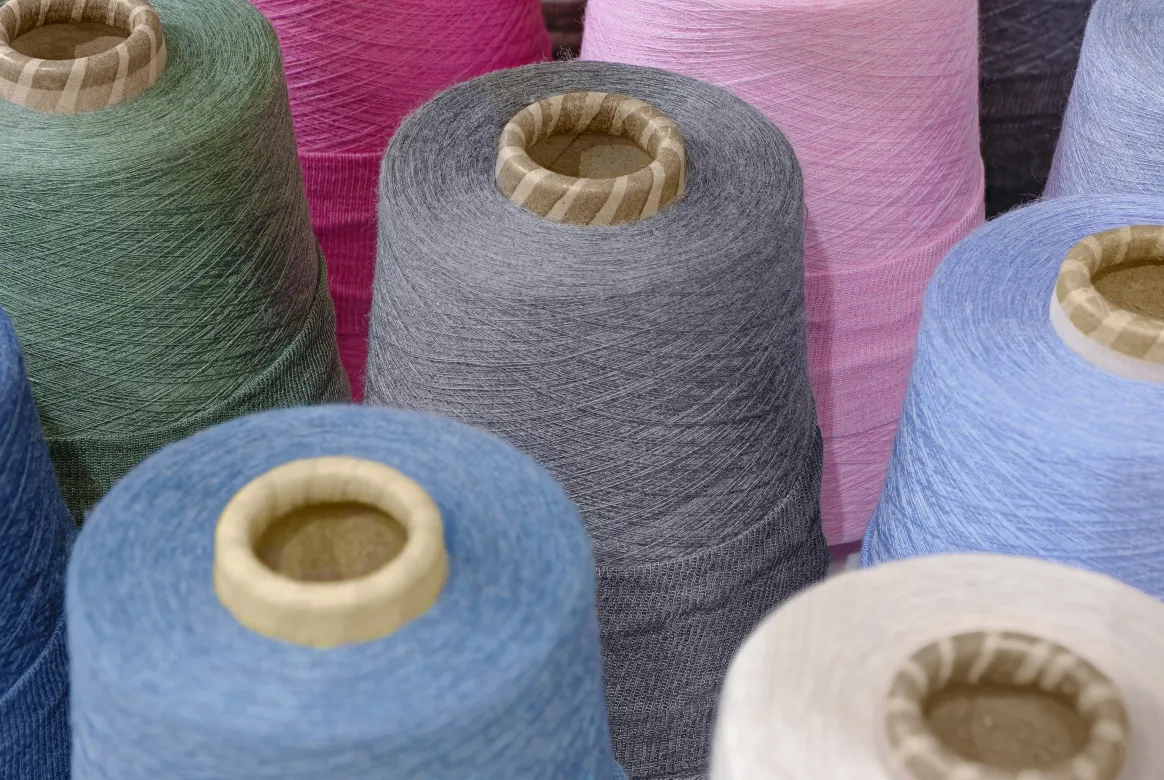
A balanced twist multiplier locks individual fibers securely inside the strand, preventing loose ends from migrating or interlocking during washing. Standard woolen-spun counts such as 2/26Nm require calibrated twist levels that balance soft hand-feel with structural resilience. Fine-gauge programs utilizing silk cashmere blend yarn benefit from silk's inherent filament strength, which naturally restricts dimensional distortion.
Stitch Density and Take-Down Tension
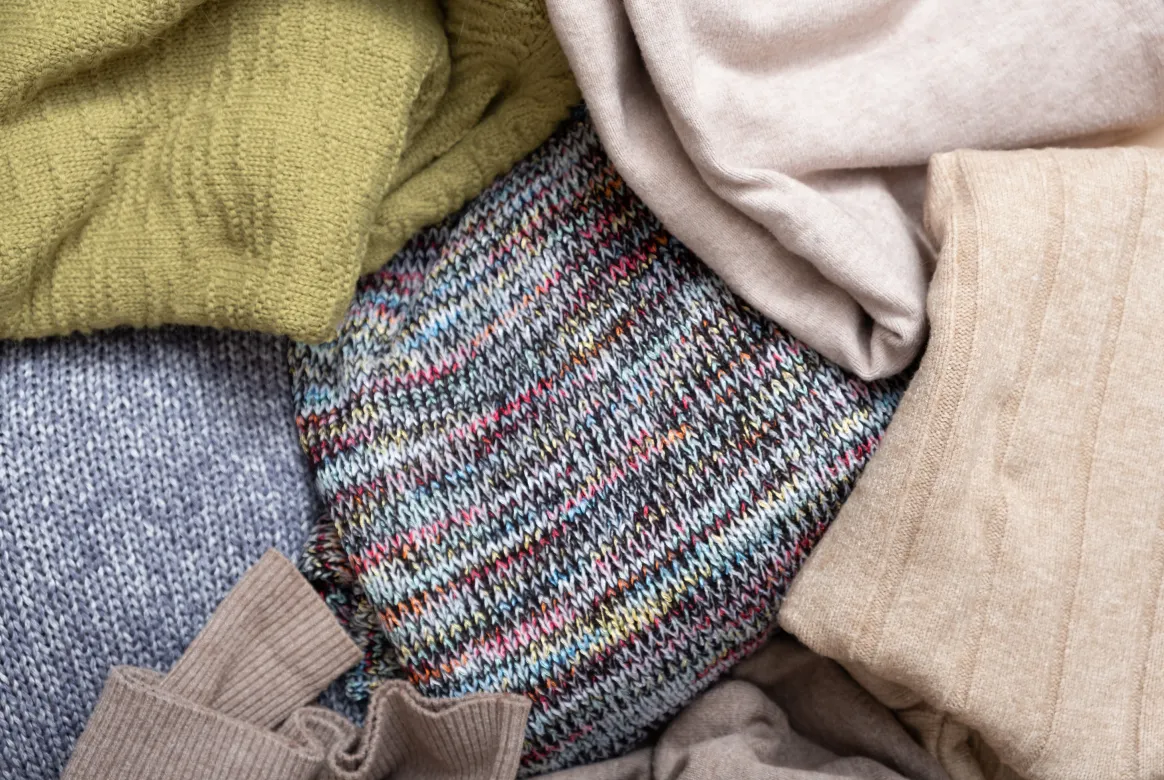
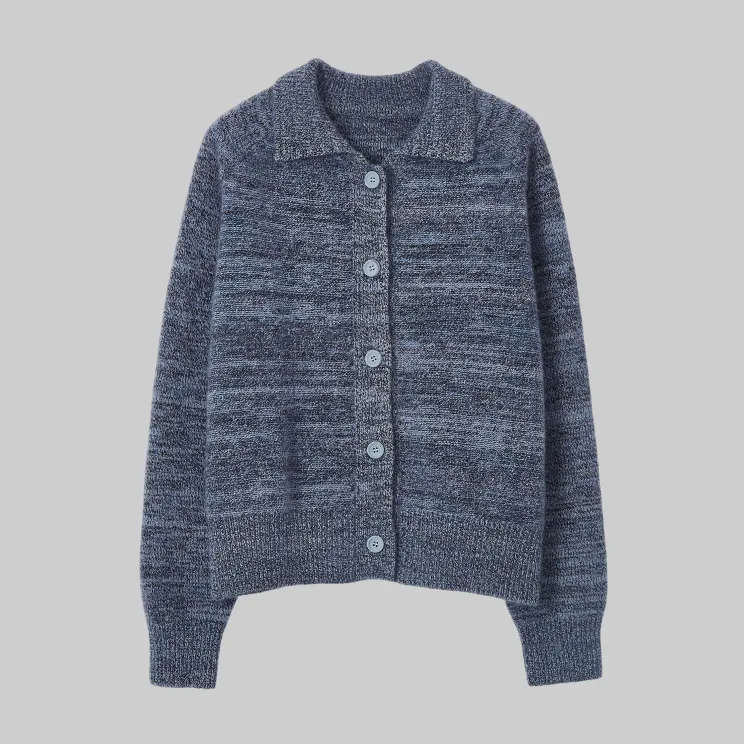
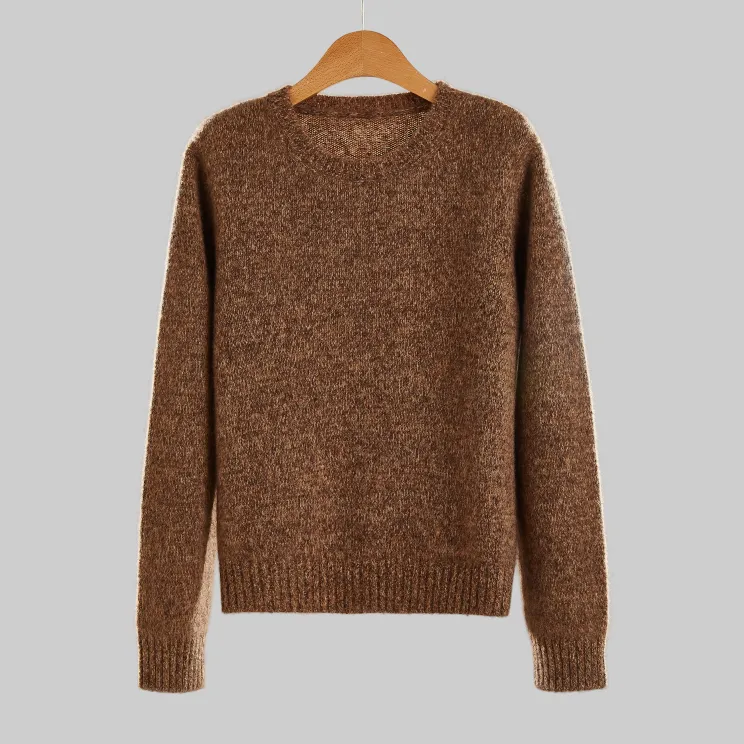
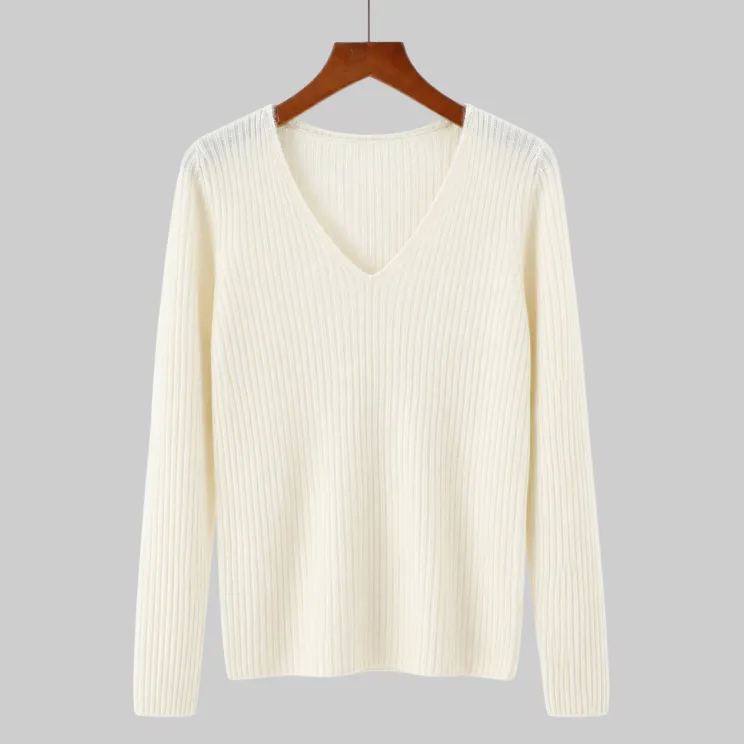
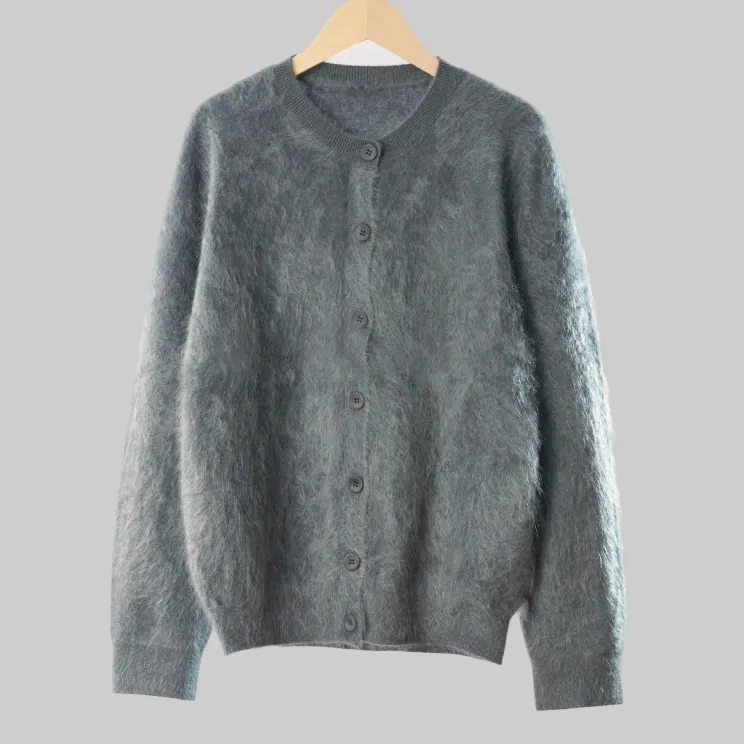
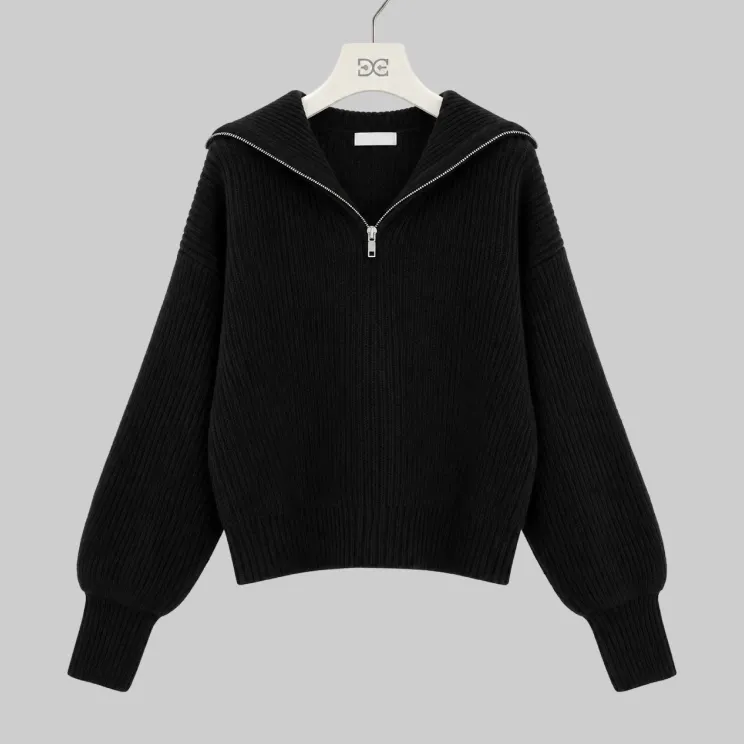
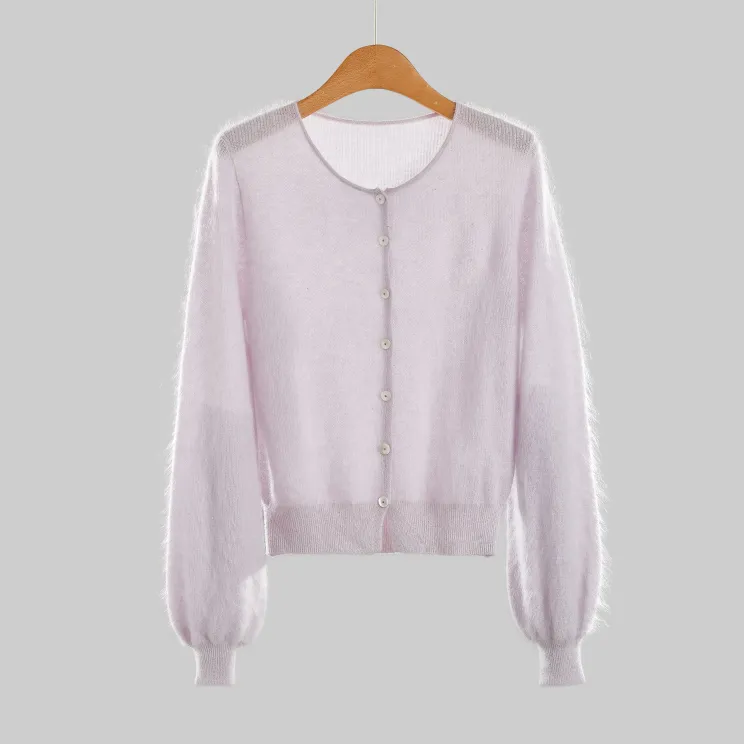
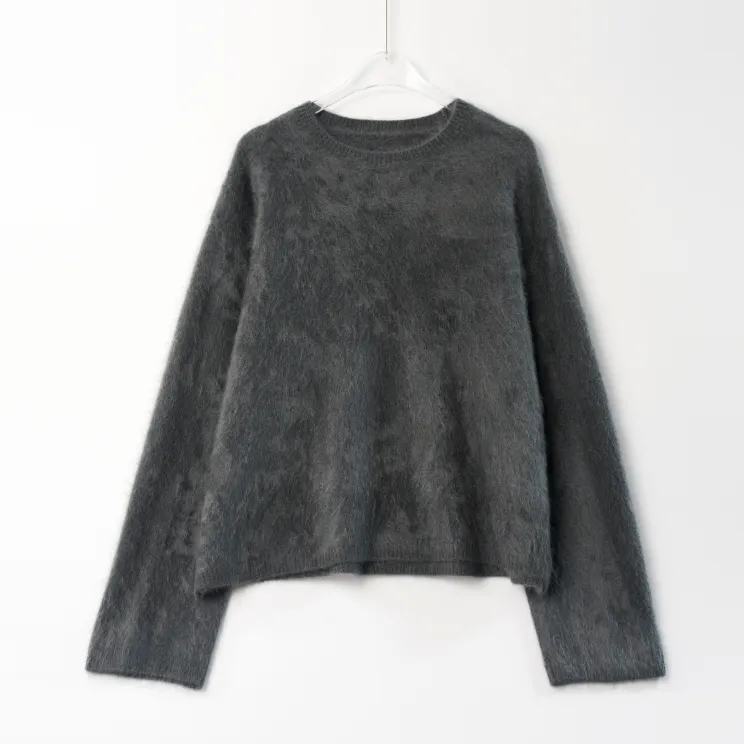
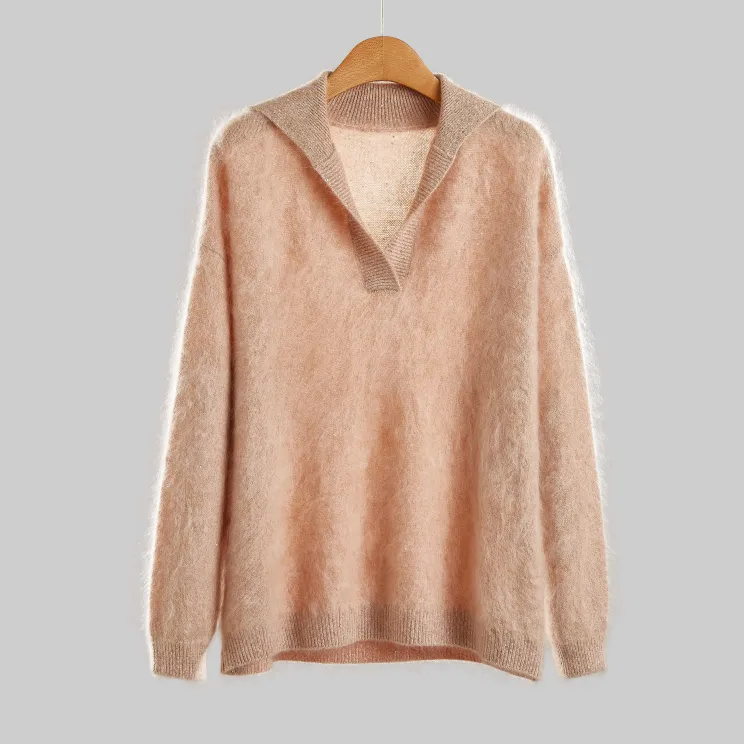
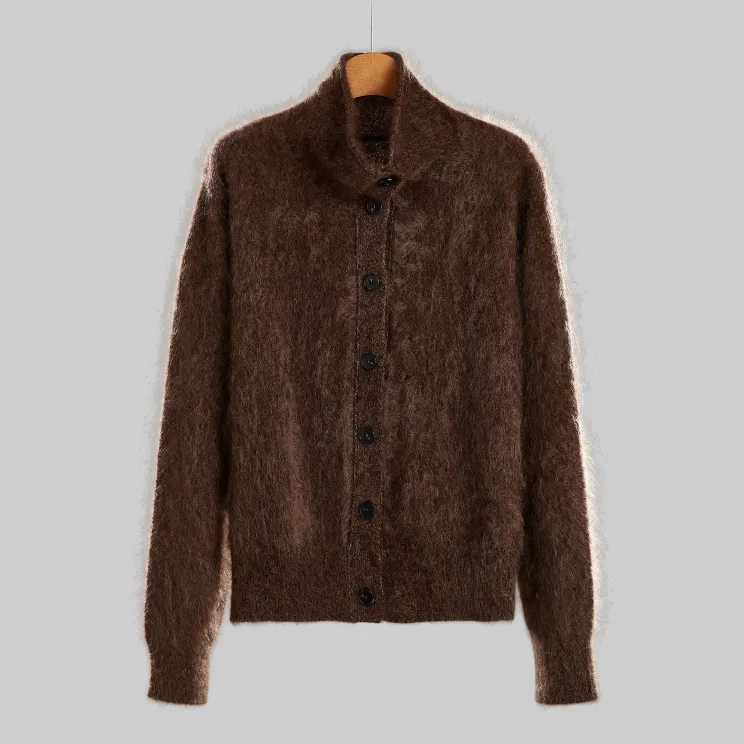
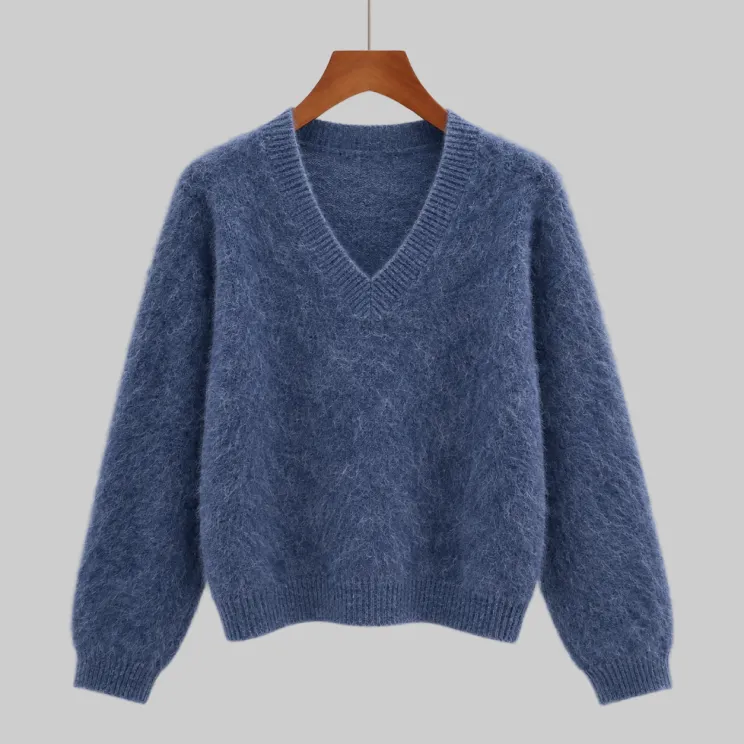
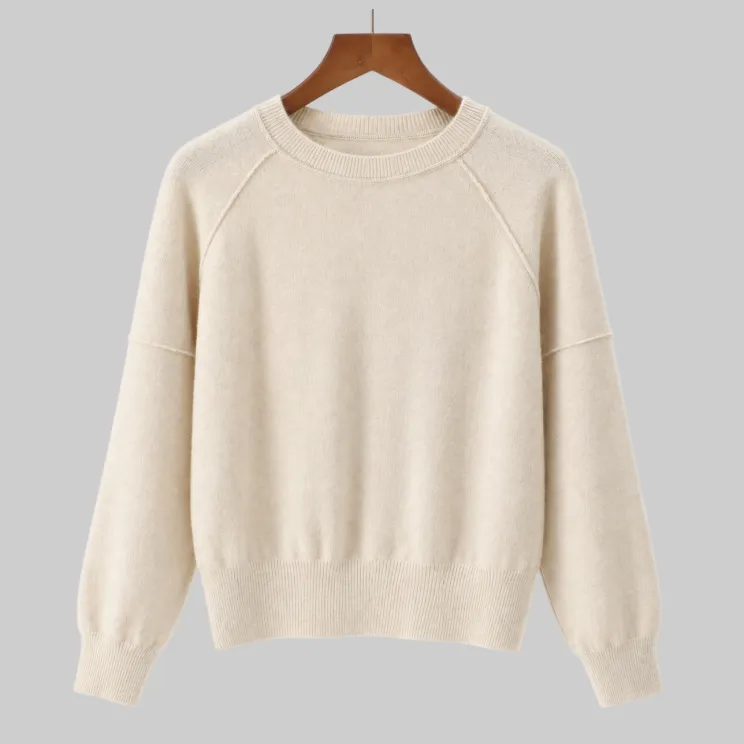
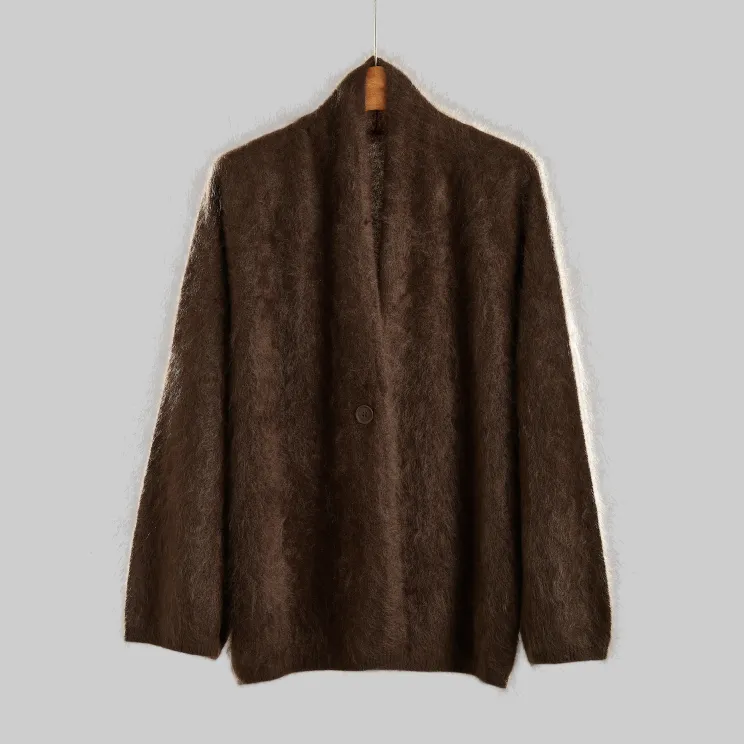
Loose, open-knit structures offer zero resistance to mechanical stress and shrink dramatically when washed. Engineers must calculate loop length and stitch density on automated flat-bed knitting machines to ensure the fabric achieves balanced relaxation before leaving the workshop. This parameter is especially vital for fitted silhouettes such as womens cashmere pullovers and structured mens cashmere cardigans.
Wet Finishing and Anti-Felting Treatments
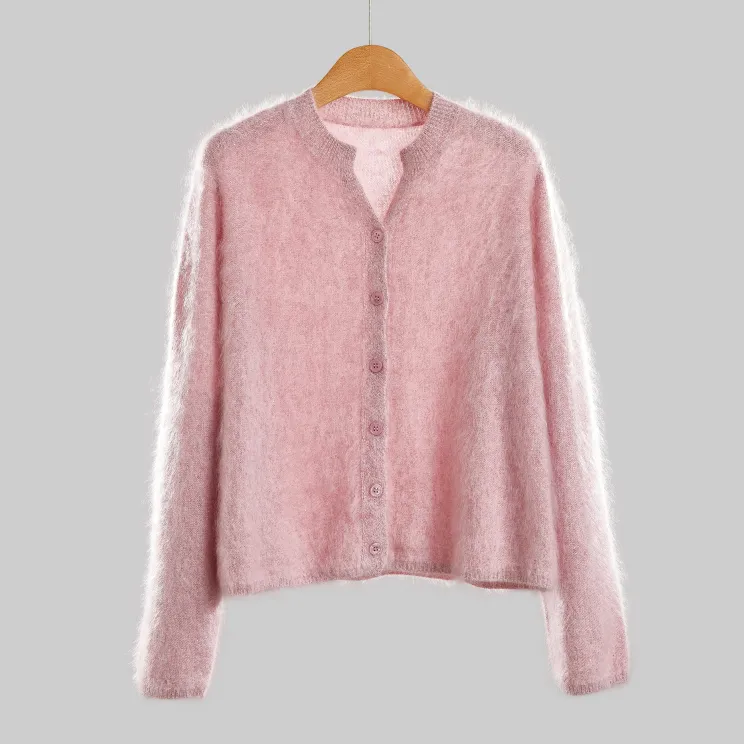
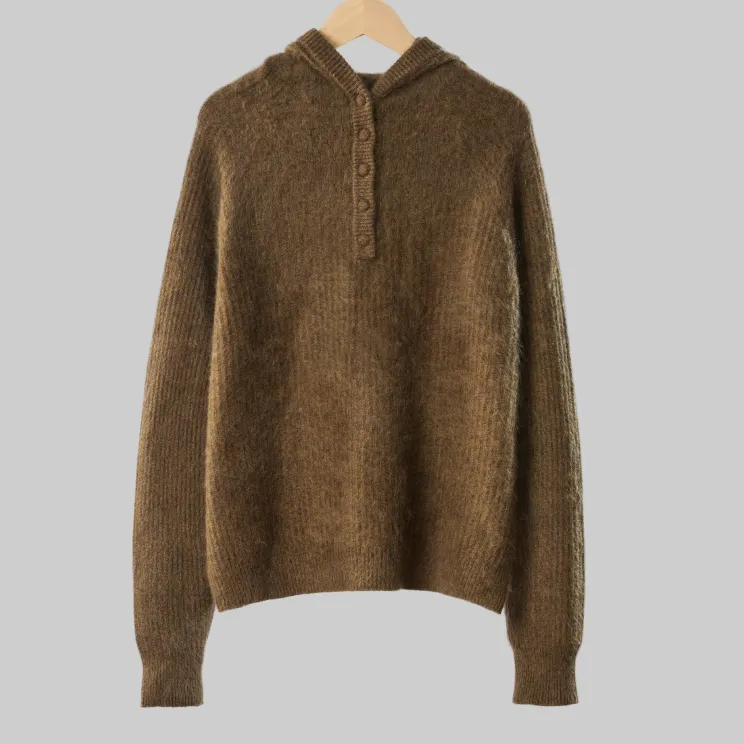
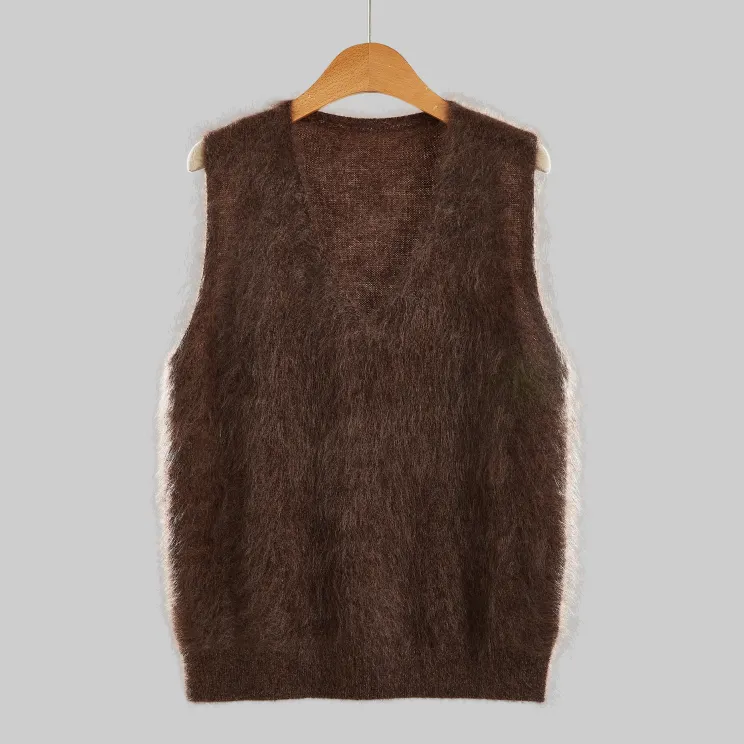
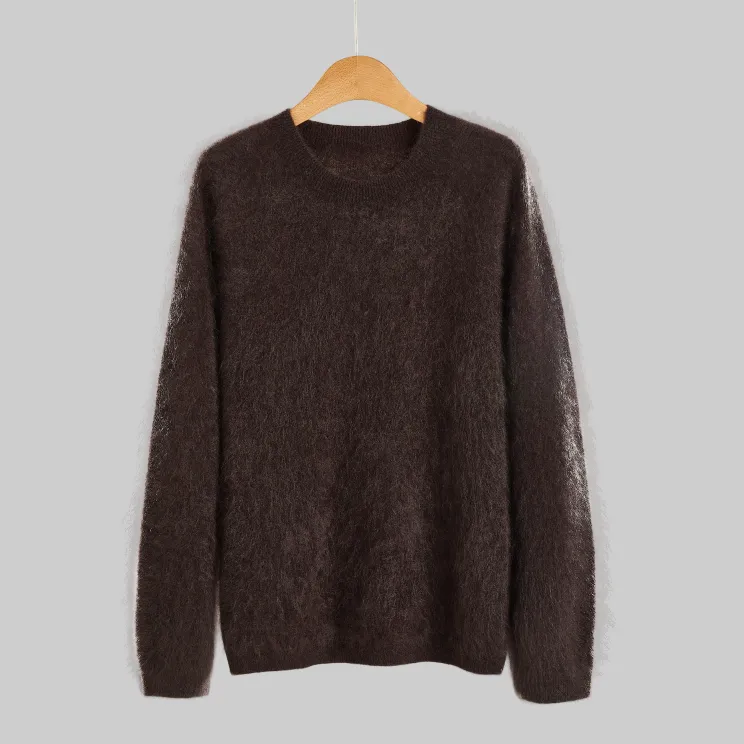
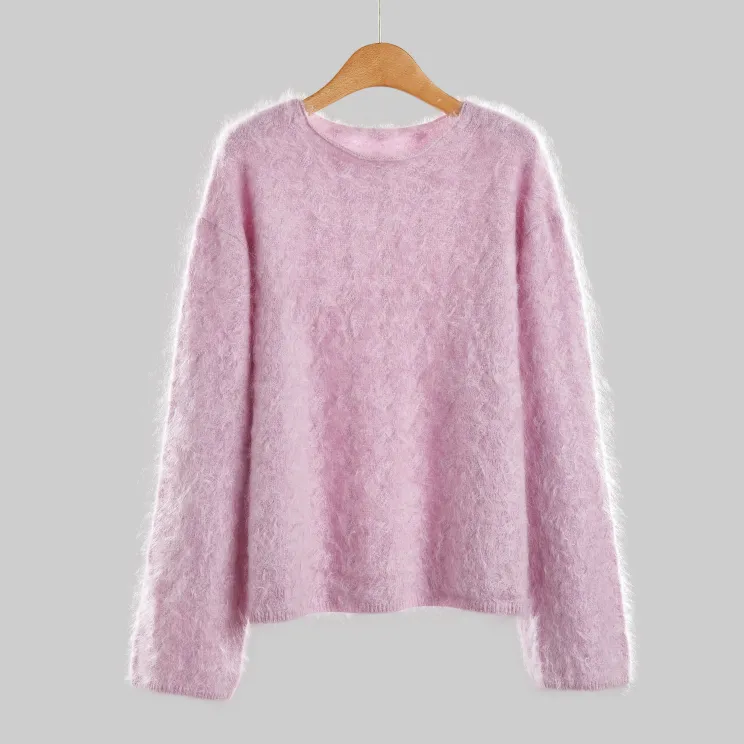
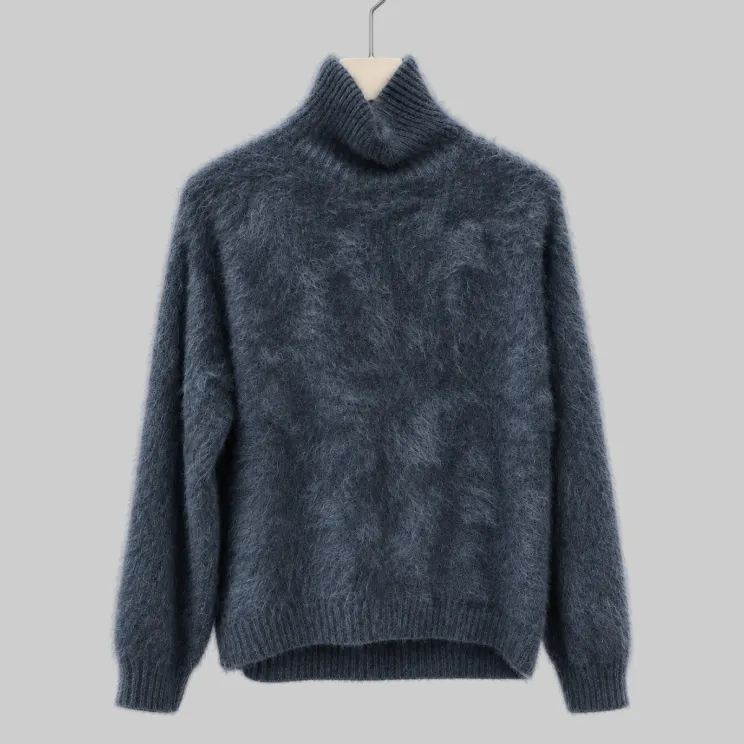
During wet finishing, controlled milling parameters allow the cashmere bloom to develop fully while stabilizing the internal fabric geometry. For shrink-resistant or machine-washable cashmere lines, specialized enzymatic or mild oxidative treatments modify the outer cuticular scales without damaging the soft cortical core. When developing tactile variations such as brushed cashmere, finishing mills must tightly control brushing intensity to avoid compromising dimensional integrity.
4. Writing Shrinkage Standards into B2B Tech Packs
Ambiguous quality clauses result in rejected shipments and delayed product launches. A complete shrinkage specification clause embedded in a tech pack must define:
- Test Standard: ISO 6330 Wool Cycle or AATCC 135, performed by an accredited independent laboratory like SGS or Intertek.
- Acceptance Threshold: Maximum allowable dimensional change of ±3.0% in length and width after standard washing.
- Sample Frequency: Mandatory pre-shipment testing on randomly selected production units per colorway and dye lot.
- Care Label Mandates: Clear instructions requiring dry cleaning or hand wash in cold water with neutral wool detergent, preventing consumer misuse.
Brands managing extensive wholesale cashmere lines or custom private-label collections rely on strict pre-shipment auditing to eliminate shrinkage risks before goods leave the port.
5. Partner with an Integrated Manufacturer for Guaranteed Stability
Controlling dimensional stability requires complete vertical integration over fiber selection, spinning, knitting, and wet finishing. Zhejiang Dingchuang Cashmere operates a fully integrated supply chain from raw Inner Mongolian fiber dehairing in Tongxiang to advanced automated knitting and precision wet finishing. Whether you are scaling commercial wholesale cashmere collections or developing specialized custom cashmere programs, our technical experts ensure every production batch meets international shrinkage tolerances. Contact our team today to review your technical specifications.
-

Dingchuang Textile Technical Team
Cashmere Sourcing & Knitwear Specialists, Dingchuang Cashmere
Authored by the technical specialists at Zhejiang Dingchuang Cashmere Co., Ltd. Founded in 2013 in Tongxiang, our team oversees integrated supply chain operations from raw goat cashmere collection and in-house mechanical dehairing to precision computerized knitting and specialty wet finishing, providing actionable manufacturing guidance for global apparel brands and designers.