
Cashmere Pilling Test Standards Explained: ICI Pilling Box, Martindale Ratings, and Anti-Pilling Specifications for Bulk Orders
Pilling is the number one quality complaint in the cashmere knitwear category. A sweater that develops dense fiber balls after two weeks of wear will generate returns, damage retail partnerships, and erode brand equity, regardless of how soft the garment felt in the showroom. For B2B procurement teams, pilling is also one of the few quality defects that can be predicted, measured, and contractually controlled before bulk production begins. This guide explains the physics behind cashmere pilling, the international test standards used to quantify it, and the exact specifications procurement teams should write into purchase orders and tech packs when sourcing cashmere knitwear at scale.
1. Why Cashmere Pills: The Mechanics of Fiber Migration
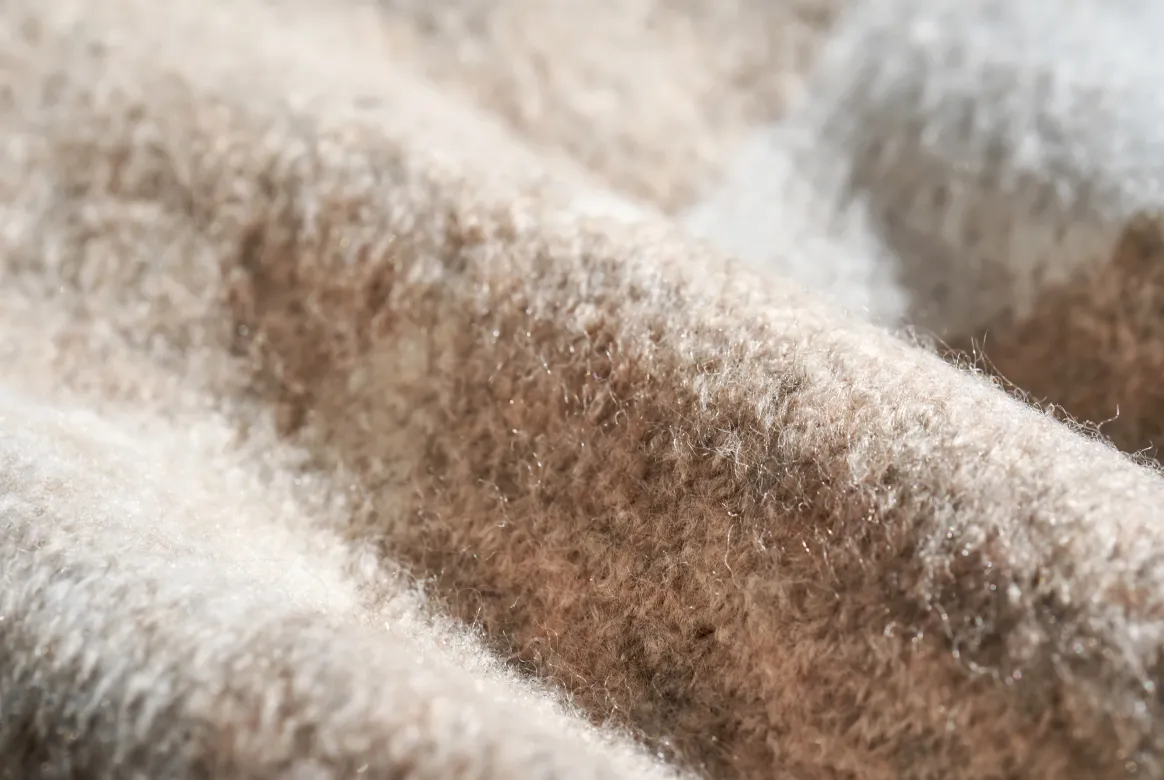
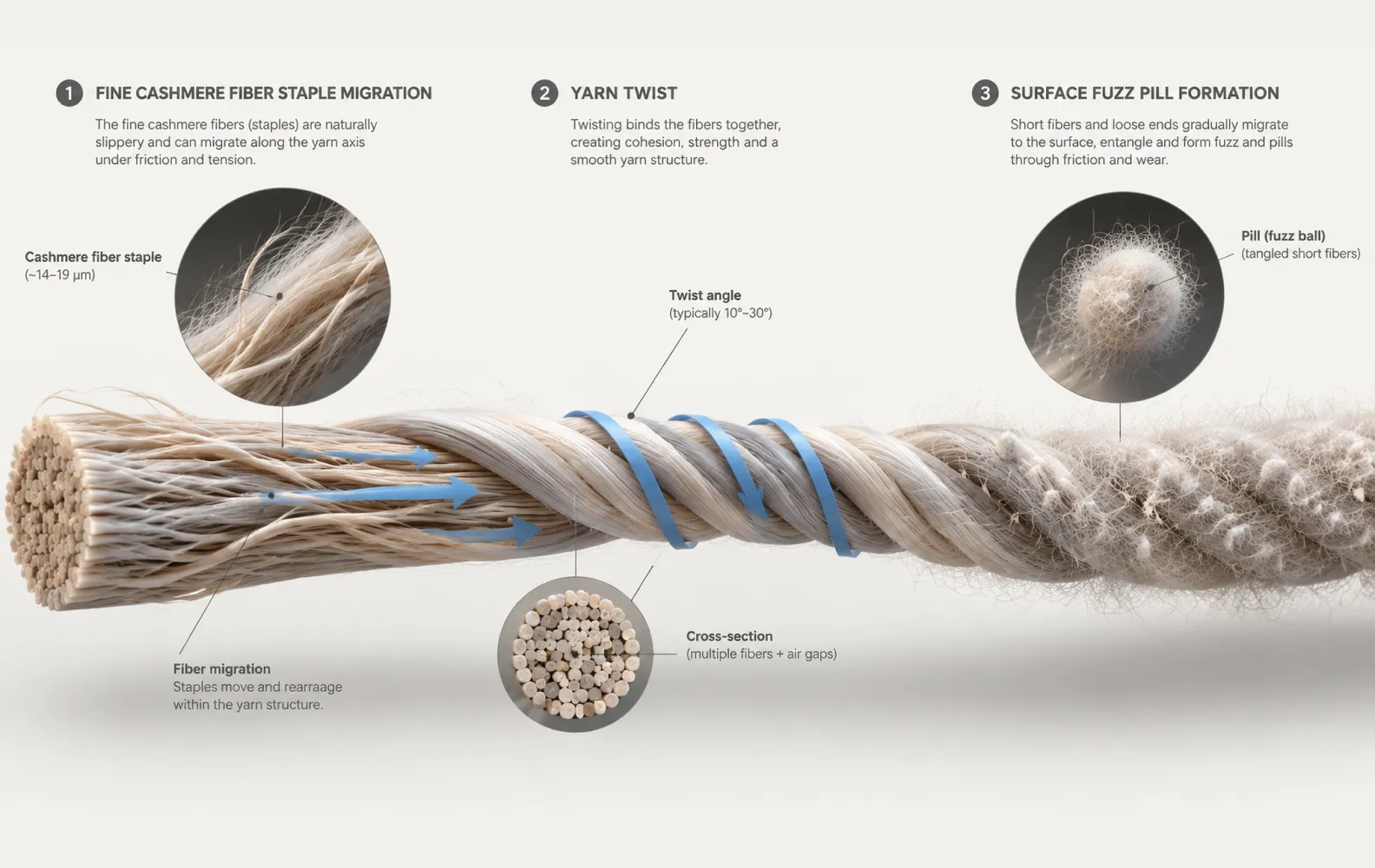
Pilling is a four-stage mechanical process. First, loose fiber ends migrate out of the yarn body and form surface fuzz. Second, friction from wear or laundering entangles this fuzz into small spherical pills. Third, anchor fibers hold the pills onto the fabric surface. Fourth, the pills either break away or remain attached, depending on fiber strength.
Cashmere is structurally vulnerable to the first stage. The fiber diameter of premium down sits between 14 and 16 microns, roughly one-fifth the diameter of human hair. Fibers this fine bend easily and slip out of a loosely twisted yarn under low friction. The practical implication for buyers is direct: pilling in cashmere is controlled at the raw material and engineering level, long before any finishing chemical is applied. A garment knitted from long-staple fiber with appropriate yarn twist and knitting tension will outlast any topical anti-pilling treatment applied to inferior raw material.
2. The International Test Standards Buyers Should Know
Three standardized methods dominate pilling evaluation in global knitwear trade. Each simulates abrasion differently, and the results are not interchangeable. A grade achieved under one method cannot be compared directly against a grade from another.
| Test Method | Standard Reference | Mechanism | Primary Application |
|---|---|---|---|
| ICI Pilling Box | ISO 12945-1 | Specimens mounted on polyurethane tubes tumble inside cork-lined boxes at 60 rpm, typically assessed after 7,200 or 14,400 revolutions | Knitwear, sweaters, loose structures; the preferred method for cashmere |
| Modified Martindale | ISO 12945-2 / ASTM D4970 | Circular specimens rubbed against a standard wool abradant in a Lissajous figure under defined pressure, assessed at staged cycle counts | Wovens, upholstery, dense knitted fabrics |
| Random Tumble | ISO 12945-3 / ASTM D3512 | Specimens tumble freely in a cork-lined cylindrical chamber driven by an impeller | General apparel, fabrics prone to fuzzing |
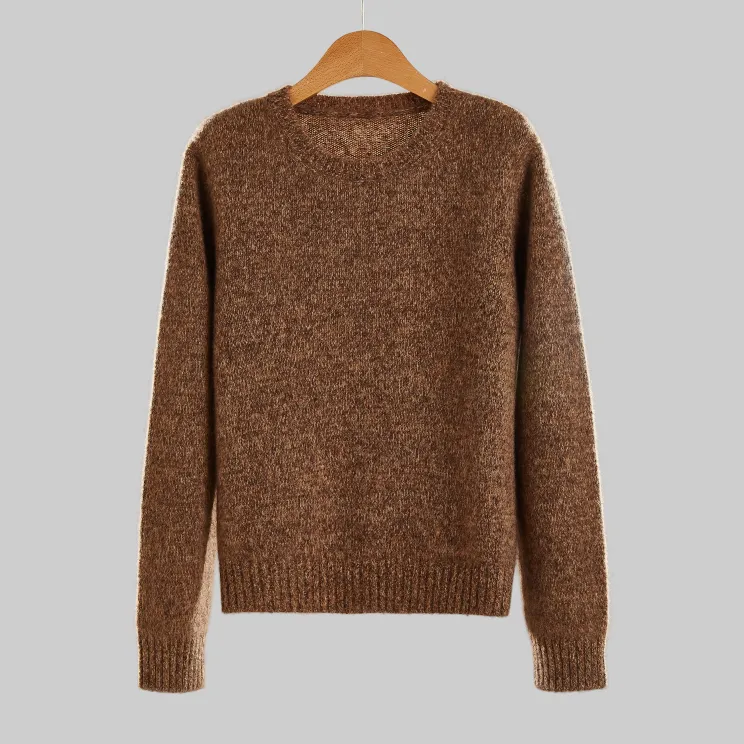
For cashmere knitwear specifically, ISO 12945-1 is the reference method used across the European market and by most Chinese export laboratories. The tumbling action replicates the random, low-pressure friction a sweater experiences against a coat lining, a handbag strap, or a car seat. Martindale testing applies direct downward pressure that overstates wear on lofty knitted structures and is better reserved for compact woven fabrics.
3. Reading the 1-to-5 Grading Scale
All three methods report results on the same visual scale. Trained assessors compare the tested specimen against standardized photographic references inside a light box with controlled fluorescent illumination. Half grades such as 3.5 are permitted and common.
- Grade 5: No visible change. The surface remains clean, with no fuzzing or pill formation.
- Grade 4: Slight surface fuzzing or partially formed pills. The commercial target for premium knitwear.
- Grade 3: Moderate fuzzing and pilling. Visible but not dense. The minimum threshold most mid-market retailers accept for knitwear.
- Grade 2: Distinct pilling across a large portion of the surface. Rejection territory for branded programs.
- Grade 1: Dense fuzzing and severe pilling over the entire surface. Unfit for retail.
One detail that frequently causes disputes between buyers and factories: the grade is meaningless without its evaluation point. A fabric graded 4 after 7,200 box revolutions may degrade to grade 3 by 14,400 revolutions. A professional test report records the grade at each assessment interval, so the buyer can see how quickly the surface breaks down, not just where it ended.
4. What Grade Should a B2B Buyer Specify?
There is no universal pass mark written into law. Acceptance thresholds are commercial decisions, but clear conventions exist across market tiers:
| Market Tier | Typical Requirement (ISO 12945-1) | Notes |
|---|---|---|
| Luxury and premium brands | Grade 4 minimum at final evaluation | Often requires long-staple fiber and controlled milling |
| Mid-market retail programs | Grade 3-4 | The standard commercial baseline for export knitwear |
| Fast fashion and promotional volume | Grade 3 | Achievable with shorter-staple fiber and tighter cost control |
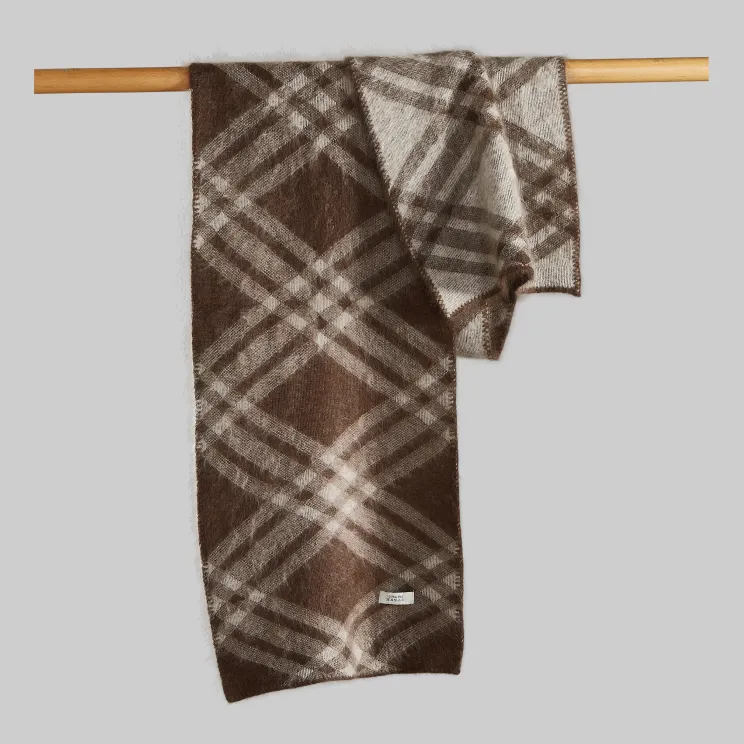
For 100 percent cashmere programs positioned at retail price points above USD 150, we recommend specifying Grade 4 at 7,200 revolutions with an intermediate reading at 3,600. For accessories categories such as cashmere scarves and shawls, where surface appearance carries the entire value proposition, buyers targeting the premium segment should hold the same Grade 4 threshold despite the looser constructions typical of the category.
5. Engineering Pilling Resistance: Where Control Actually Happens
Laboratory testing verifies performance. Manufacturing determines it. Four production variables account for the overwhelming majority of pilling outcomes in bulk cashmere orders.
Fiber staple length
Longer fibers have more contact points inside the yarn twist and migrate to the surface far less readily. Fiber in the 36-38mm range, combed rather than shorn, provides the mechanical foundation for Grade 4 performance. Short-staple material below 28mm cannot reach this threshold regardless of downstream engineering. Buyers should reference our Grade A cashmere sourcing guide for the micron and staple specifications that correlate with pilling resistance.
Yarn twist and count
Higher twist locks fiber ends into the yarn body. The trade-off is a firmer hand-feel, which is why twist optimization is a calibrated decision rather than a maximum. Standard 2/26Nm woolen-spun yarn with a correctly set twist multiplier delivers the best balance of loft and durability for classic winter weights. Worsted-spun fine counts in the 48-60Nm range, used in fine-gauge programs, inherently resist pilling because the combing process has already removed the short fibers.
Knitting density
Tight stitch structures restrict yarn movement and reduce the surface area exposed to friction. Loose, low-tension knitting produces the softest initial hand-feel and the worst pilling performance. This is a deliberate engineering dial, and it should be recorded in the tech pack as a tension value on the knitting program, not left to operator habit.
Wet finishing discipline
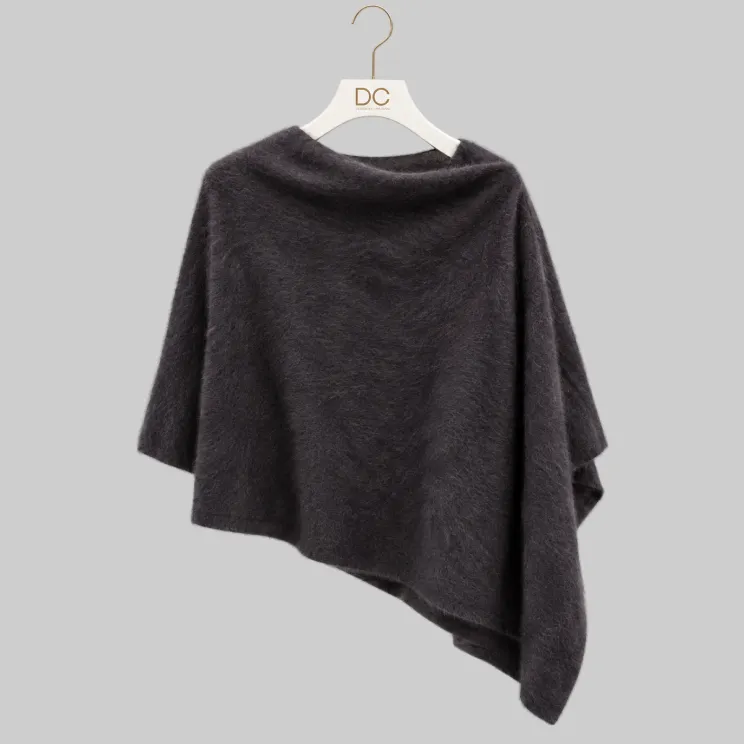
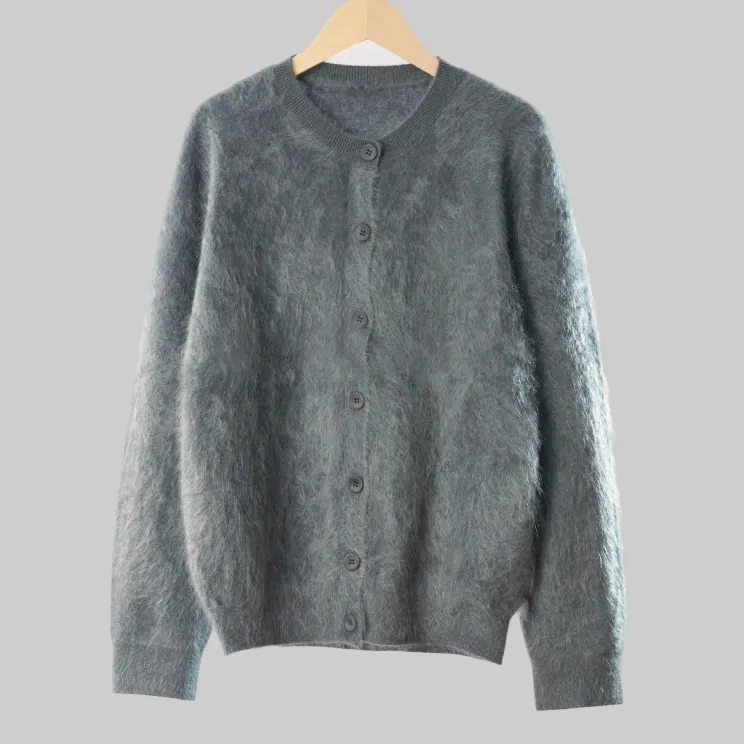
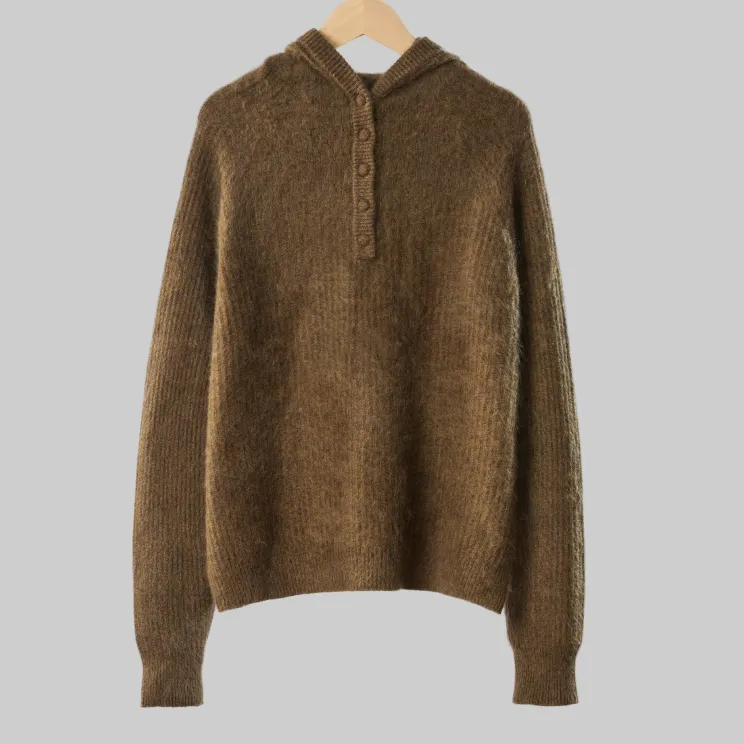
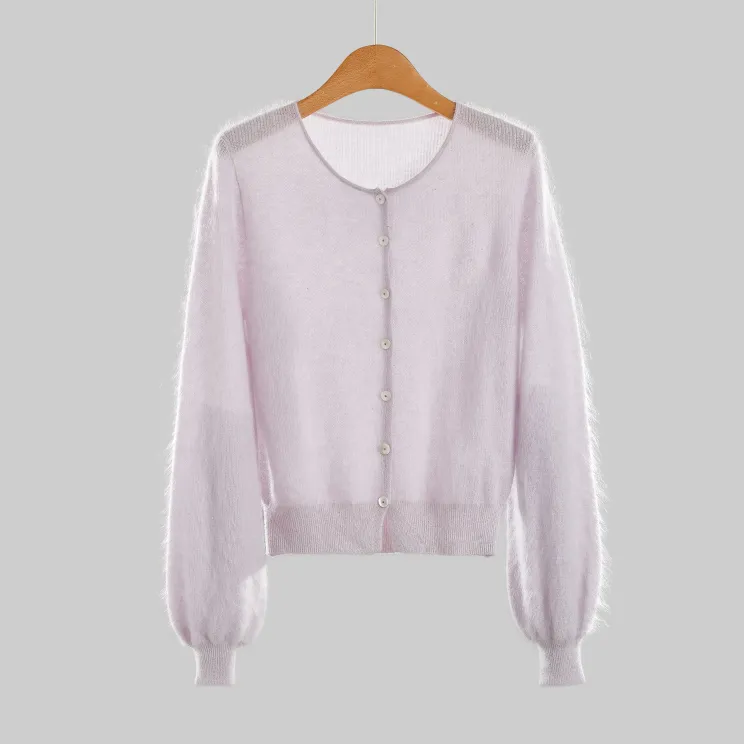
Milling develops the signature cashmere bloom, but every additional minute of mechanical agitation releases more surface fiber. Over-milled garments look exceptional on the showroom rail and fail in the field within weeks. Aggressive silicone softening produces the same trap: it masks fiber quality at handover and washes out in the first care cycle. Disciplined milling curves, with time and temperature logged per batch, are a more reliable quality signal than any finishing additive. Buyers developing textured surface effects such as brushed cashmere should note that brushing intentionally raises surface fiber, which makes upstream fiber length and yarn twist even more critical to the final pilling grade.
6. Writing Anti-Pilling Requirements into the Purchase Order
A vague instruction such as "good pilling resistance" gives a factory no engineering target and gives the buyer no contractual recourse. A complete anti-pilling specification contains five elements:
- Test method: ISO 12945-1 (ICI Pilling Box), with the laboratory named or accredited to ISO/IEC 17025.
- Evaluation points: e.g., assessed at 3,600 and 7,200 revolutions.
- Acceptance grade: e.g., Grade 4 minimum at final evaluation, half-grade tolerance none.
- Pre-conditioning: whether the specimen is tested ex-factory or after a defined number of home launderings.
- Material prerequisites: minimum staple length and micron ceiling for the fiber lot, tying the test result back to raw material inputs.
Brands running custom development programs should embed this block directly into the tech pack alongside yarn count, gauge, and weight tolerances. Our team supports this process for custom cashmere programs, including third-party test coordination with SGS or Intertek and pre-shipment verification on bulk lots.
7. Work with a Manufacturer That Tests Before You Ask
Pilling performance is decided when the fiber lot is purchased, the yarn is spun, and the knitting tension is set. A supplier who treats pilling as an after-sales negotiation has already failed the product. Zhejiang Dingchuang Cashmere operates raw fiber collection and in-house dehairing from its Tongxiang base, securing long-staple Inner Mongolian down in the 36-38mm range, and controls spinning, knitting, and wet finishing parameters against documented batch records. Whether you are building a wholesale cashmere program or developing a private-label collection from scratch, our technical team can translate your target pilling grade into verified production specifications. Contact us to review your requirements.
-

Dingchuang Textile Technical Team
Cashmere Sourcing & Knitwear Specialists, Dingchuang Cashmere
Authored by the technical specialists at Zhejiang Dingchuang Cashmere Co., Ltd. Founded in 2013 in Tongxiang, our team oversees integrated supply chain operations from raw goat cashmere collection and in-house mechanical dehairing to precision computerized knitting and specialty wet finishing, providing actionable manufacturing guidance for global apparel brands and designers.