
Search
Enter keywords to search for products, blog posts, and more.
Enter keywords to search for products, blog posts, and more.


Classic Brushed Cashmere Crew Neck Cardigans

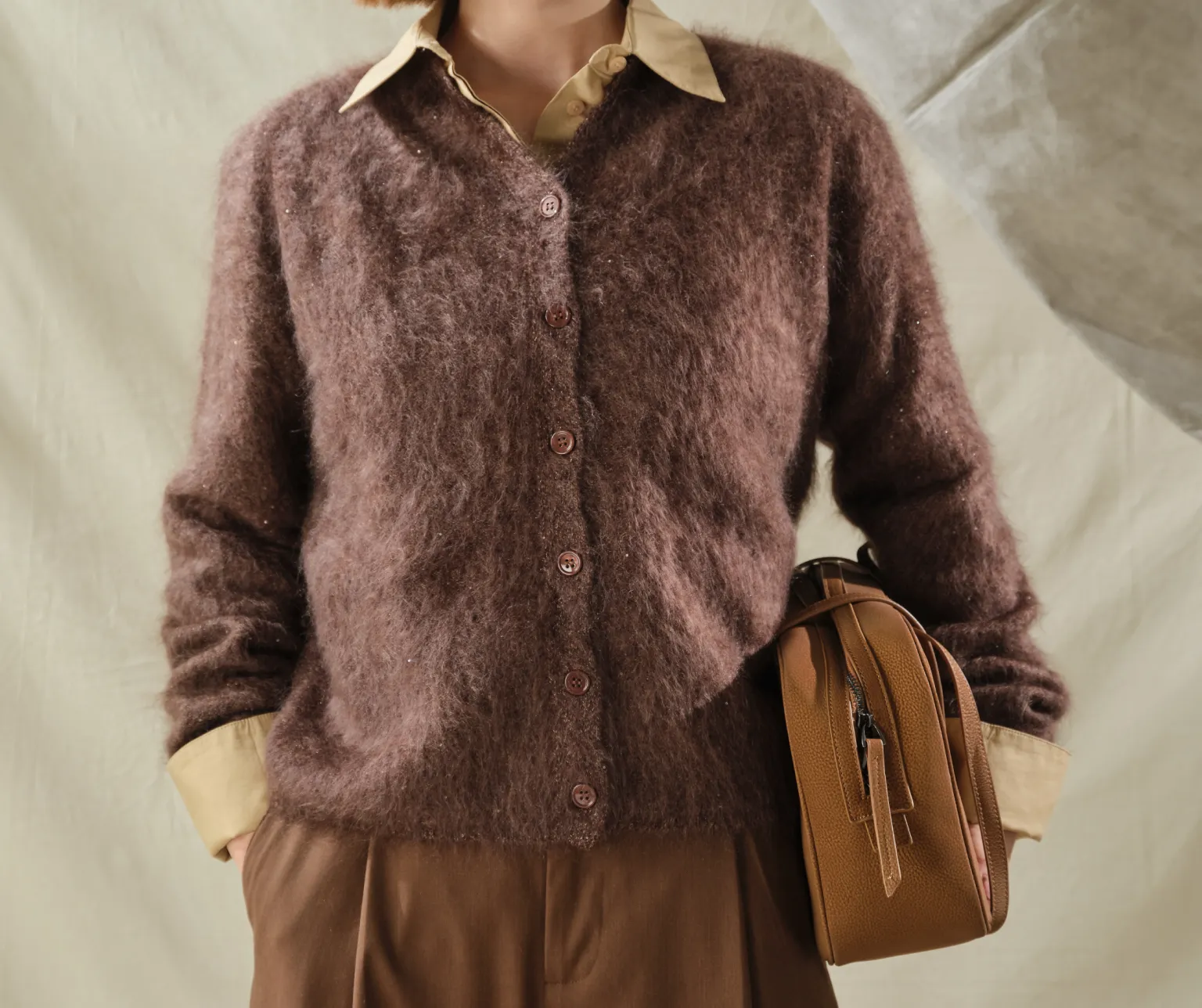
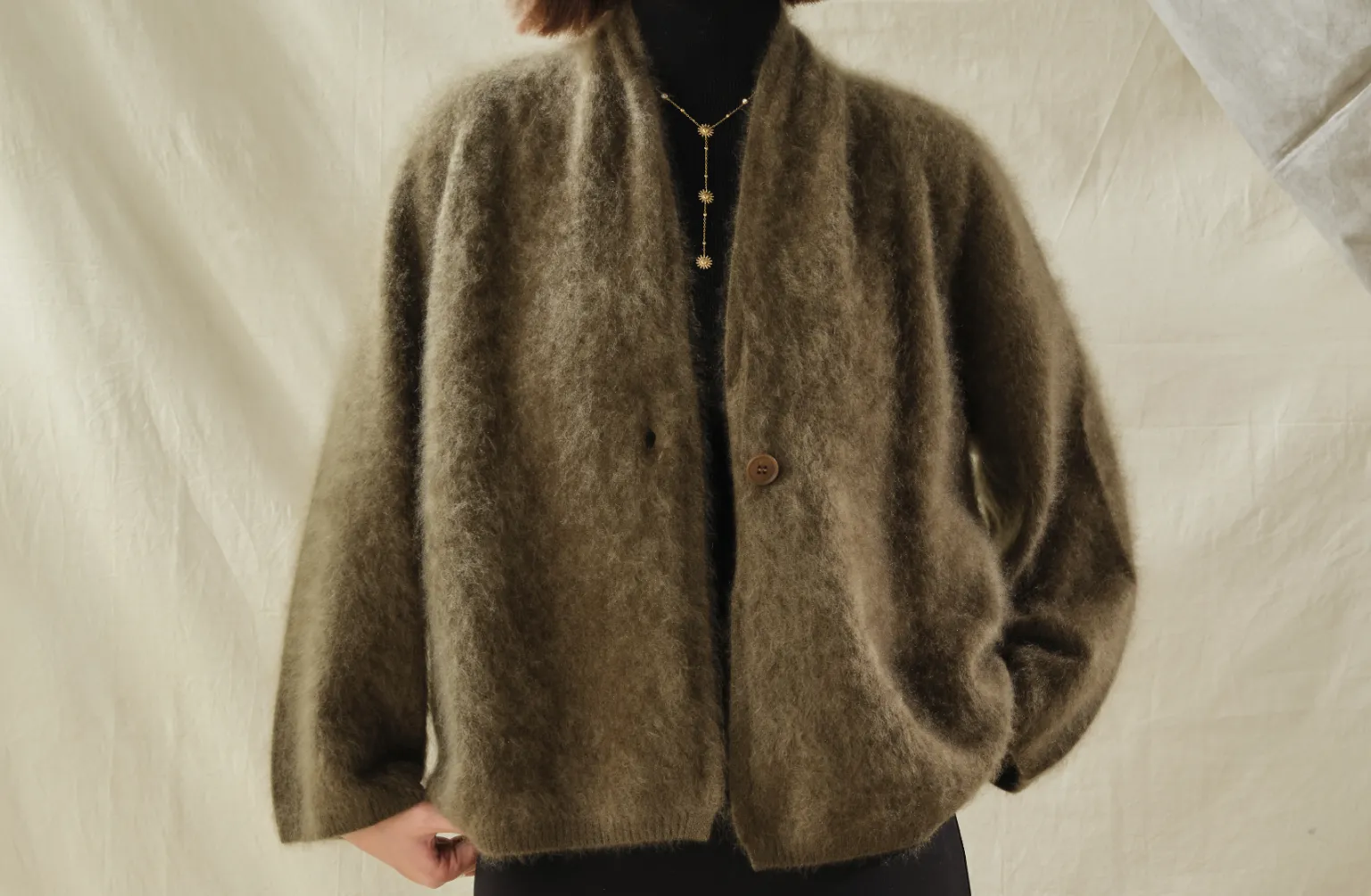
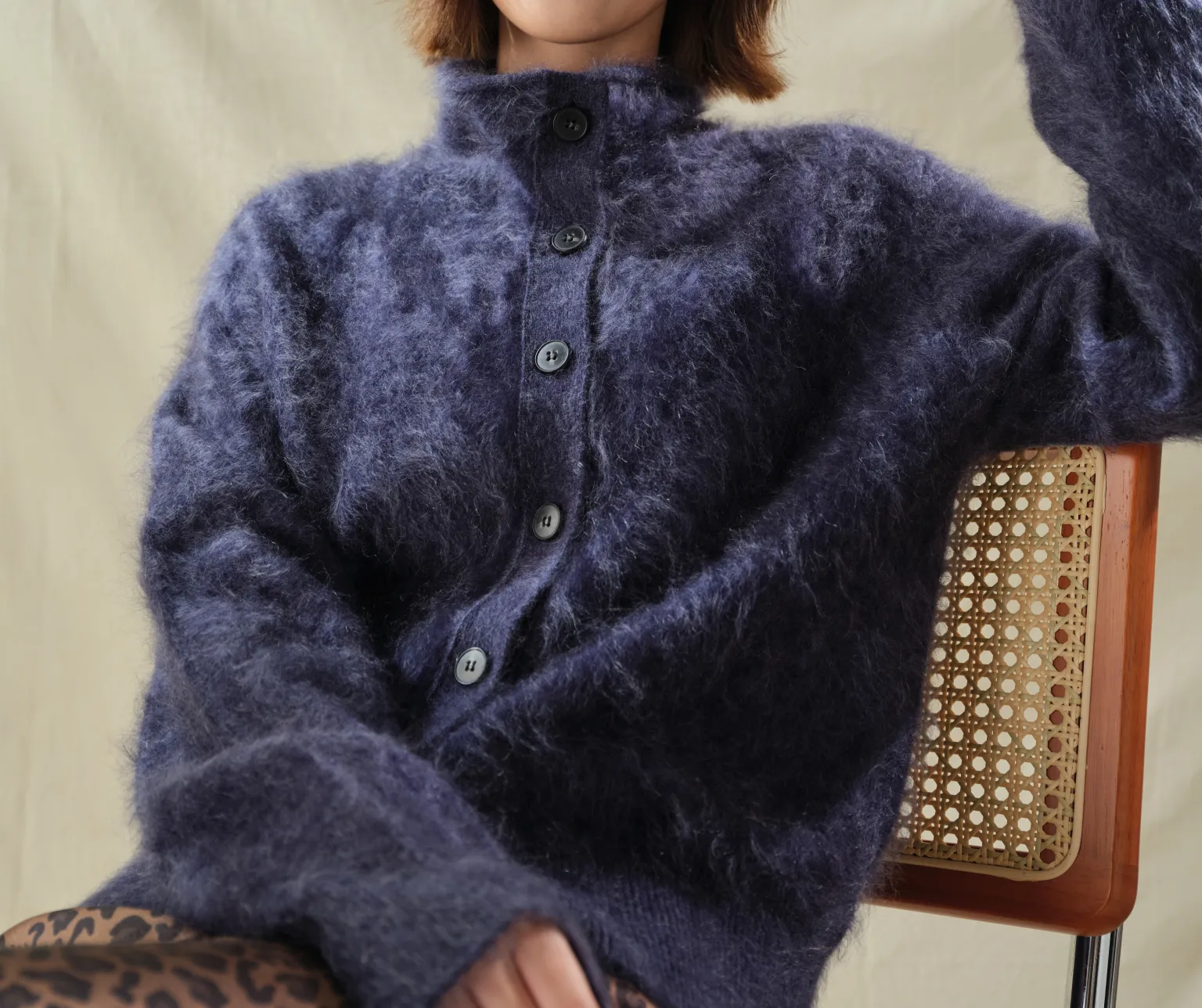
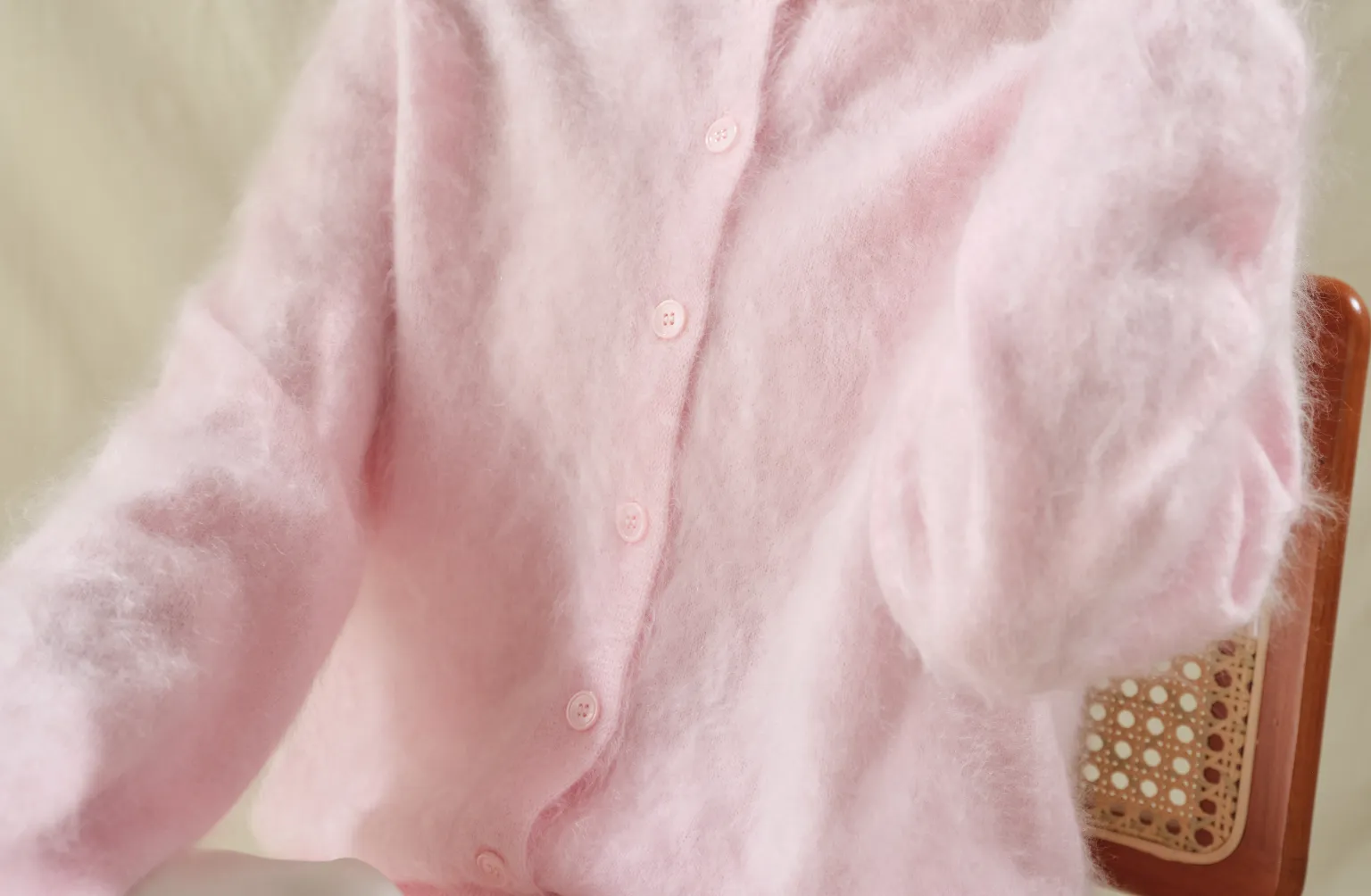
Brushed Cashmere Cardigans

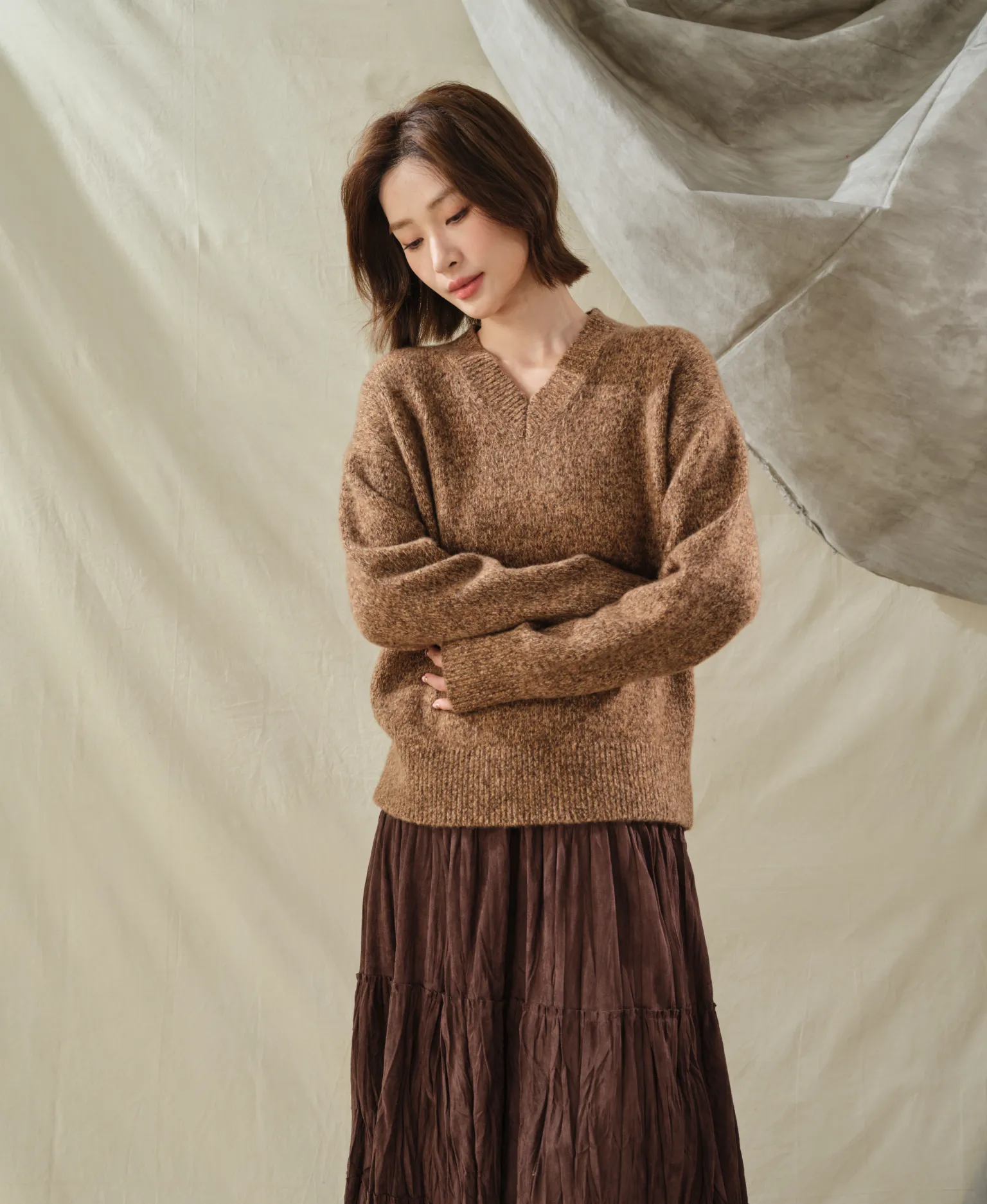
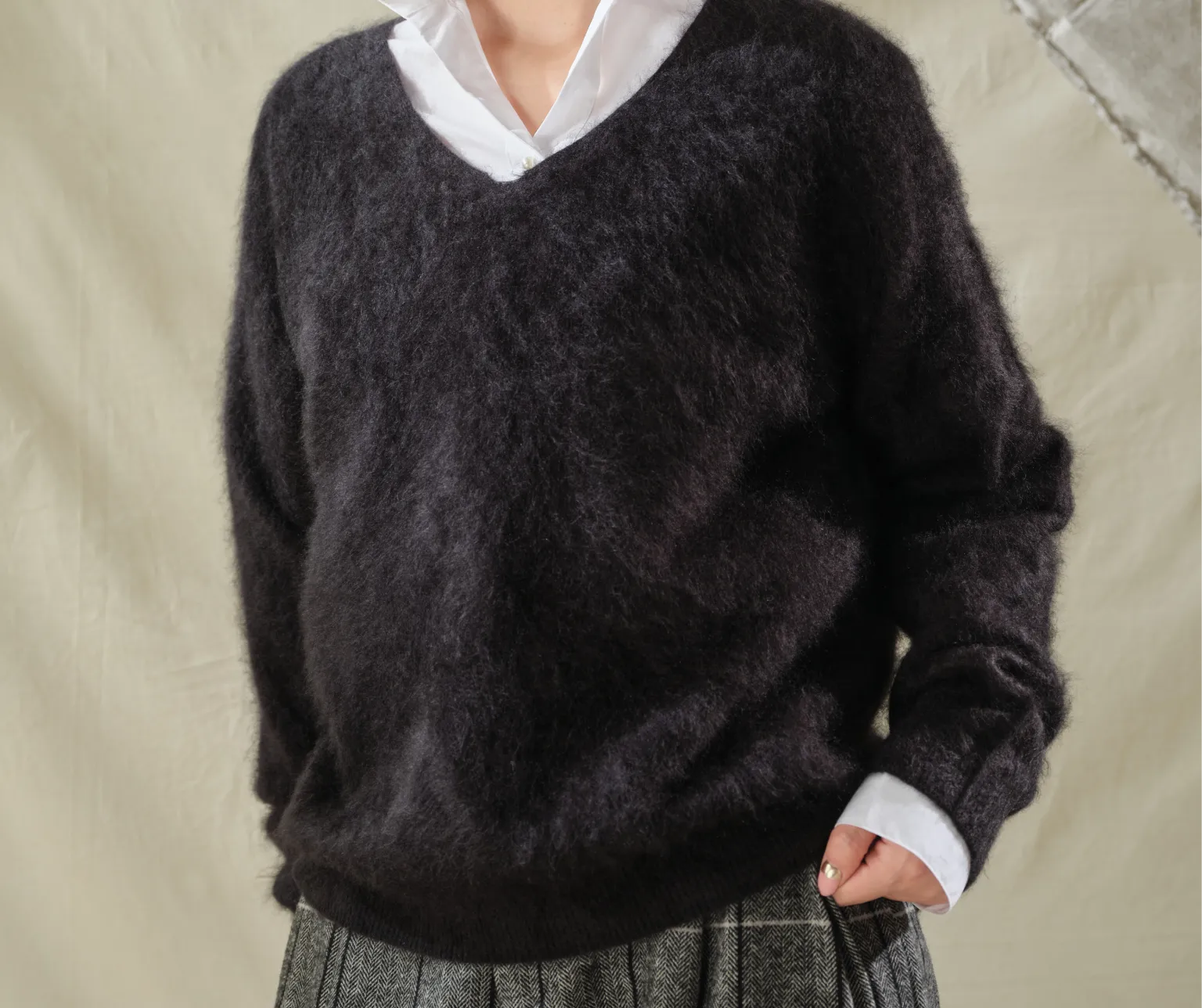
Brushed Cashmere V-Neck Pullovers

Brushed Cashmere V-Neck Sweater Vests

Oversized Brushed Cashmere V-Neck Sweaters

Fine-Gauge Brushed Cashmere Cardigans

Brushed Cashmere Knitted Midi Skirts

Ribbed Brushed Cashmere Knitted Skirts
Brushed cashmere is a controlled trade-off: every pass of the brushing rollers raises loft and releases fibers. Yarn twist, brushing intensity, and the anti-shedding wash are therefore calibrated as one parameter set at the sample stage, recorded, and held constant on bulk. Fiber preparation is handled at our own facility, with partner mills executing spinning and finishing under our quality protocol.
We prevent shedding by starting with long-staple Inner Mongolian cashmere (34mm-36mm) to ensure deep fiber anchoring, followed by applying specialized anti-shedding resin treatments during the final wet-finishing stage. These treatments chemically and mechanically lock the raised nap into the yarn core.
Teasel-brushed cashmere utilizes dried vegetable burrs mounted on cylinders, offering a gentle elasticity that pulls natural fibers without severing them, yielding an ultra-luxury, high-loft halo. Wire brushing utilizes precision micro-wires for high-efficiency commercial production, calibrated carefully to prevent fabric damage.
Prototype sampling usually takes 7 to 14 days when utilizing our extensive inventory of stock yarn colors. Following sample approval, standard bulk production typically requires 30 to 45 days, depending on the complexity of the brushing parameters and the overall order volume.
Yes, our facility is equipped to execute brushed finishes across a wide spectrum of gauges, ranging from ultra-fine 16gg layering cardigans to voluminous 3gg heavy brushed sweaters, tailoring the yarn twist and brushing intensity to match each specific tech pack.
Brushed cashmere is produced by passing knitted garments over rotating rollers covered with fine wires or natural teasels, which draw fiber ends out of the yarn structure to form a raised nap. The result is the loft and halo that define the category — and the central production problem: every fiber raised into the nap is a fiber loosened from the yarn. Managing that trade-off is a specification discipline, and buyers should treat it as one.
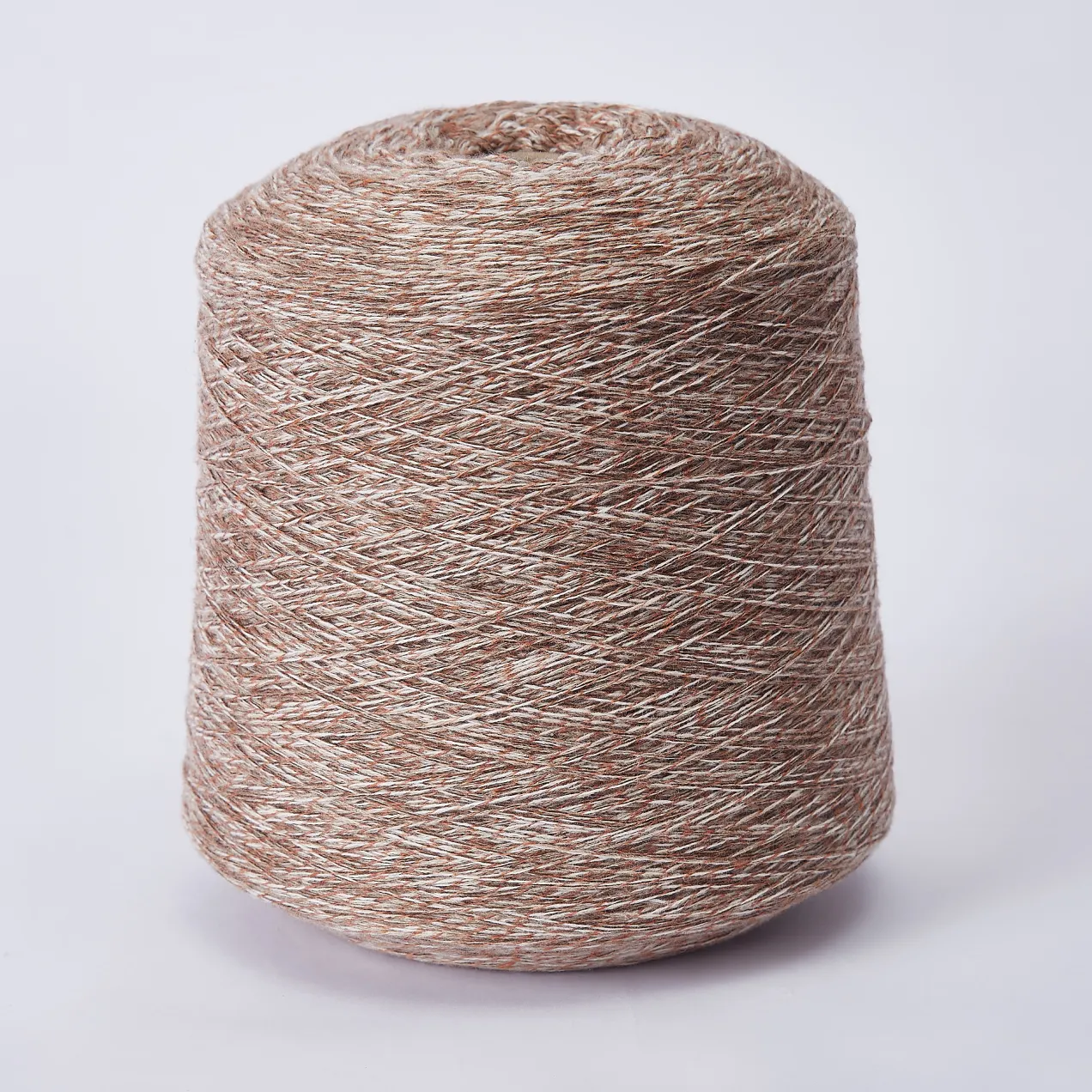
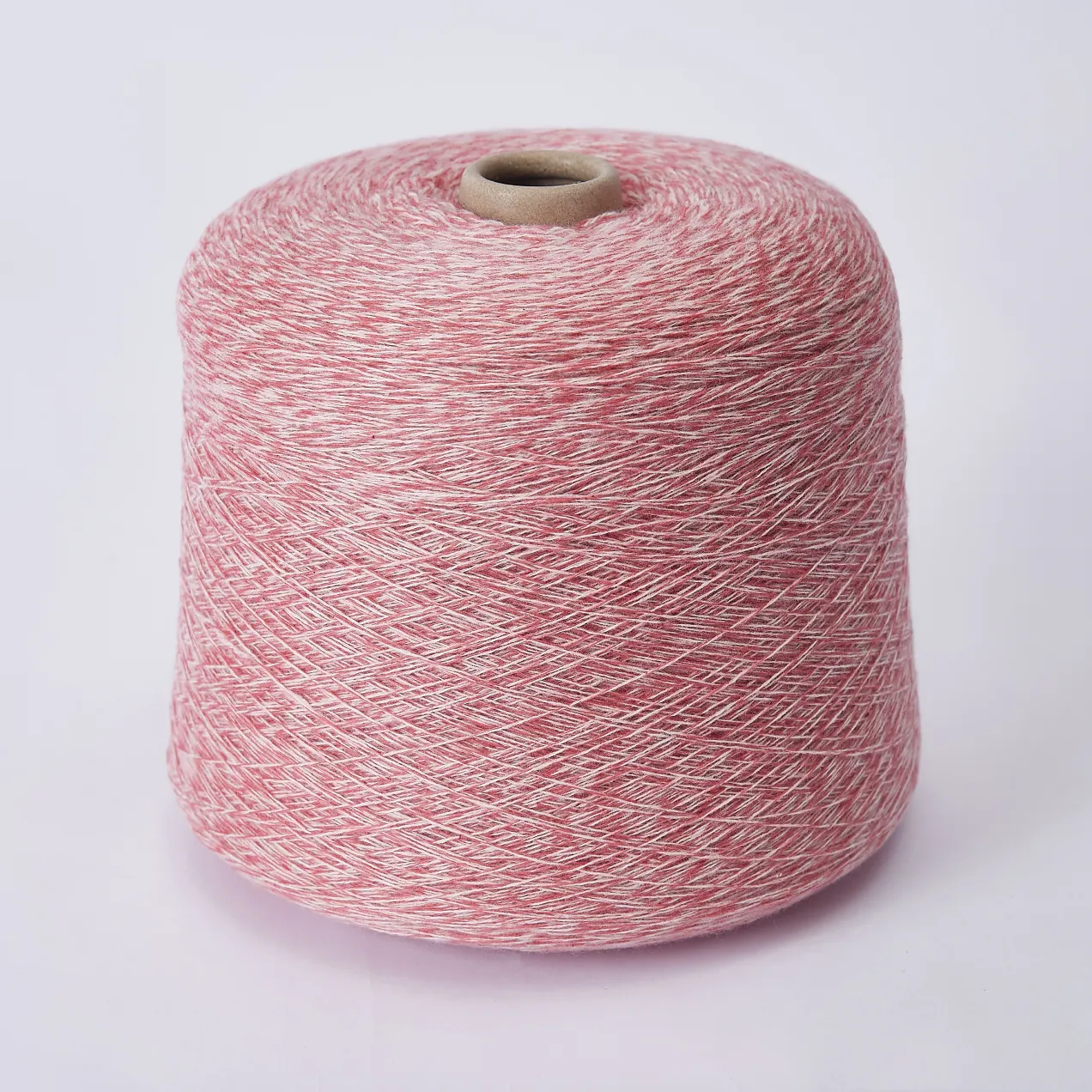
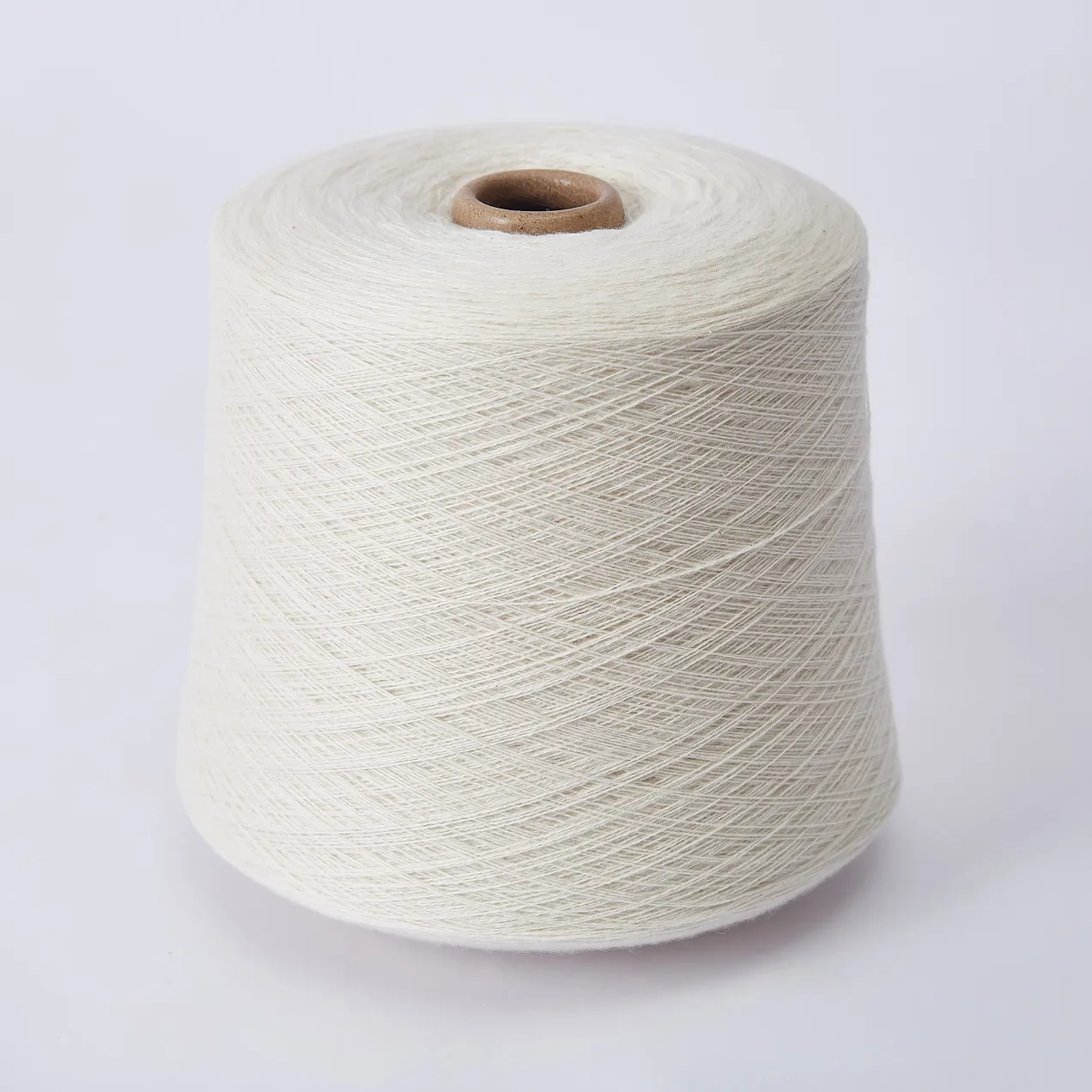
Yarn twist as the first control. Brushing performance is decided before the garment reaches the finishing line. Loosely twisted yarns brush up quickly but shed heavily; tightly twisted yarns resist shedding but refuse to bloom. The professional window sits between the two, and it differs by gauge and ply. Our brushed cashmere yarn counts are twisted specifically for this process window, which is why nap density can be specified and reproduced across batches.
Brushing intensity as a documented parameter. Intensity is a function of roller speed, pass count, and garment moisture, and it should be recorded at sample approval as a measurable value — not described as "lightly" or "heavily" brushed. A two-pass difference on the same garment produces visibly different loft and measurably different fiber release. Bulk production is then validated against the approved sample panel, not against memory.
Anti-shedding treatment. After brushing, a controlled wash sequence re-sets the yarn structure and secures the raised fibers. The parameters — temperature, mechanical action, and cycle time — are calibrated per style, because over-washing flattens the nap the brushing created. Shedding is verified on finished garments by abrasion and rub testing rather than by touch alone.
What buyers should specify. A production-ready brushed spec states yarn count and twist direction, brushing intensity by reference sample, target nap appearance, and an acceptable shedding grade. These values belong in the tech pack alongside measurements, and they are the difference between a brushed program that re-orders cleanly and one that drifts with every batch.
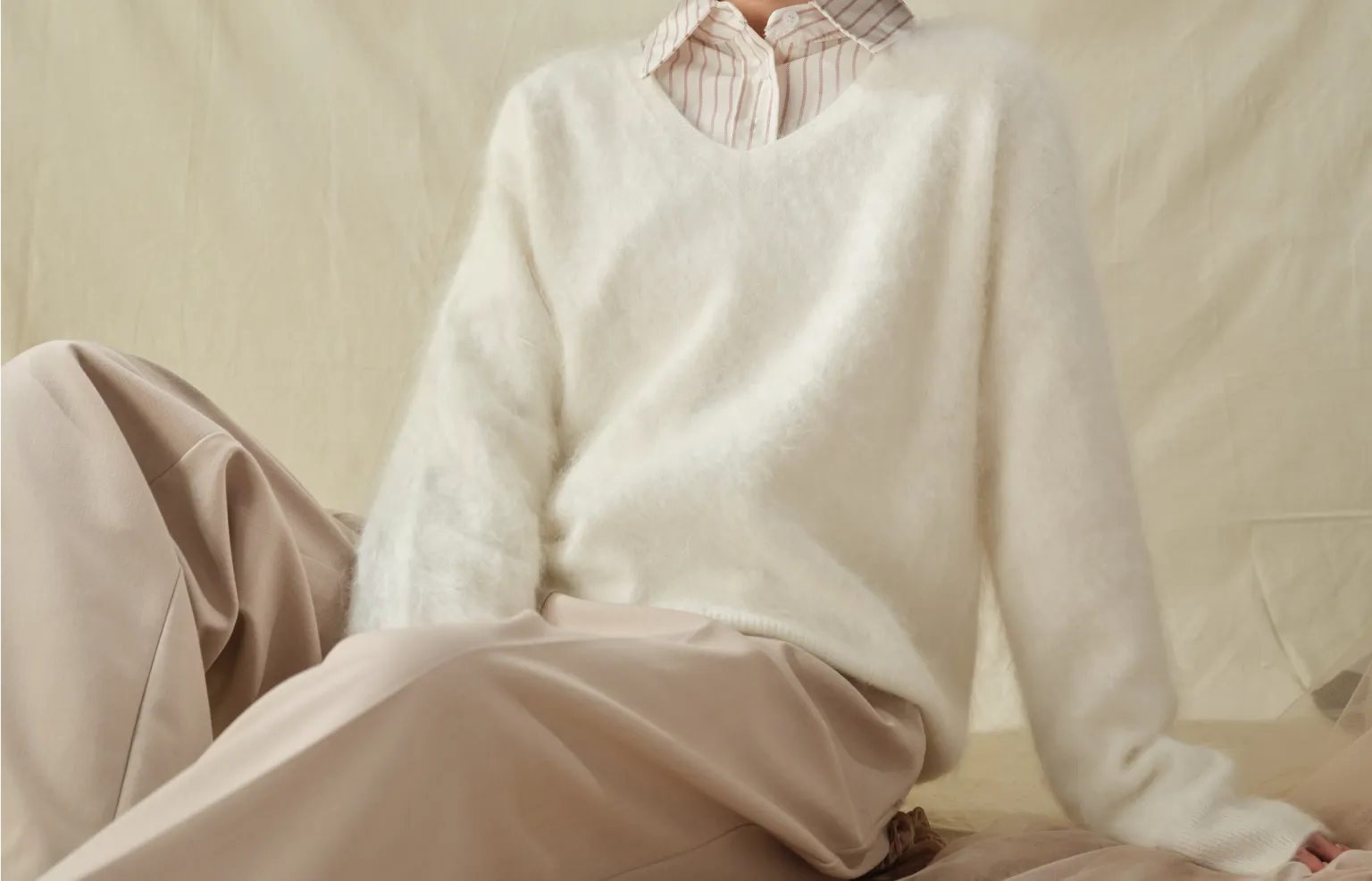
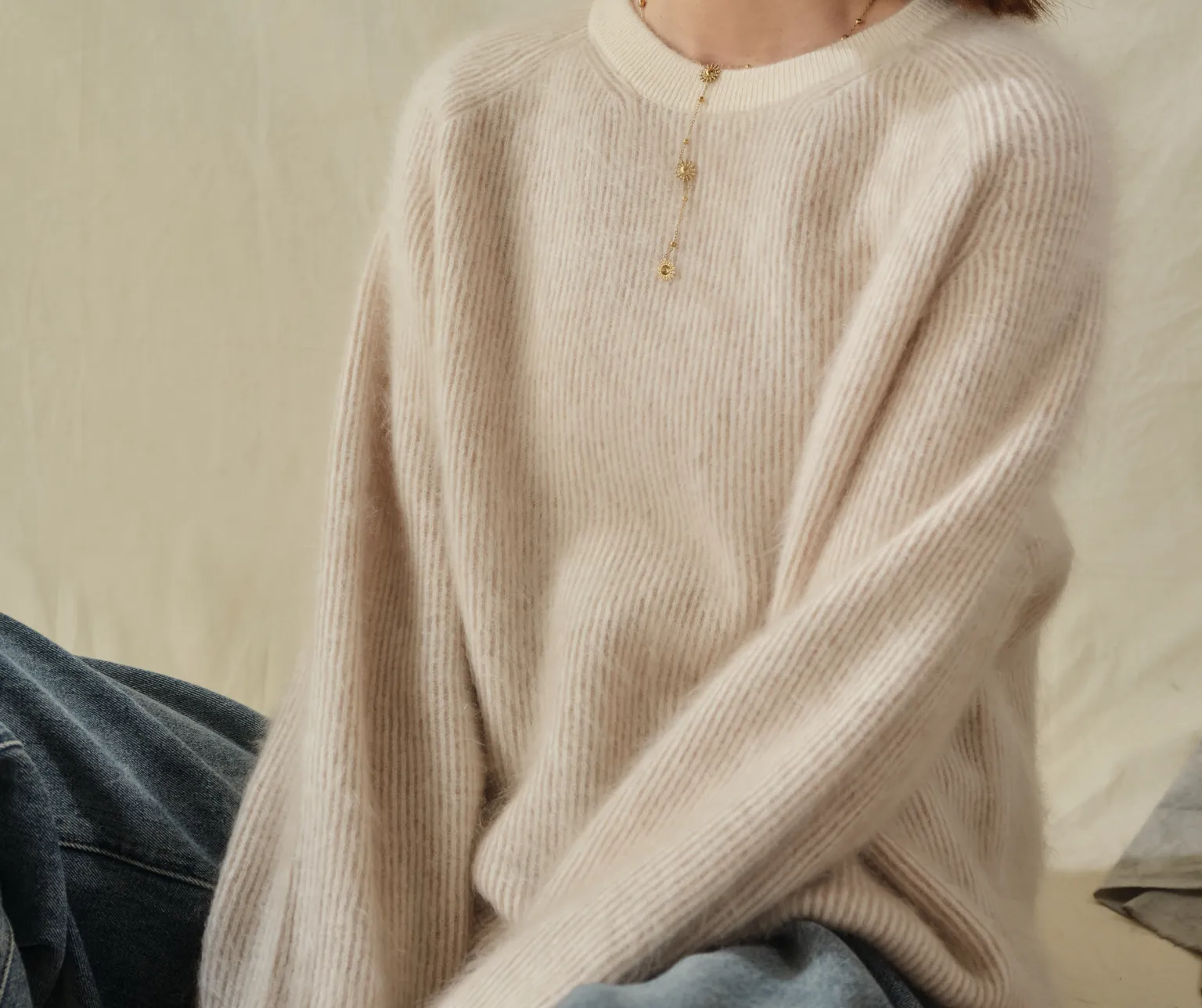
Programs developed through our custom development service include brushed-panel approval as a standard milestone, with intensity and shedding parameters documented for repeat orders. Brushed constructions are most commonly specified on relaxed silhouettes such as our oversized sweaters, where the raised nap adds visual volume without adding garment weight.