
Search
Enter keywords to search for products, blog posts, and more.
Enter keywords to search for products, blog posts, and more.


Classic Cashmere Turtleneck Sweaters

Classic Cashmere Roll Neck Sweater Vests

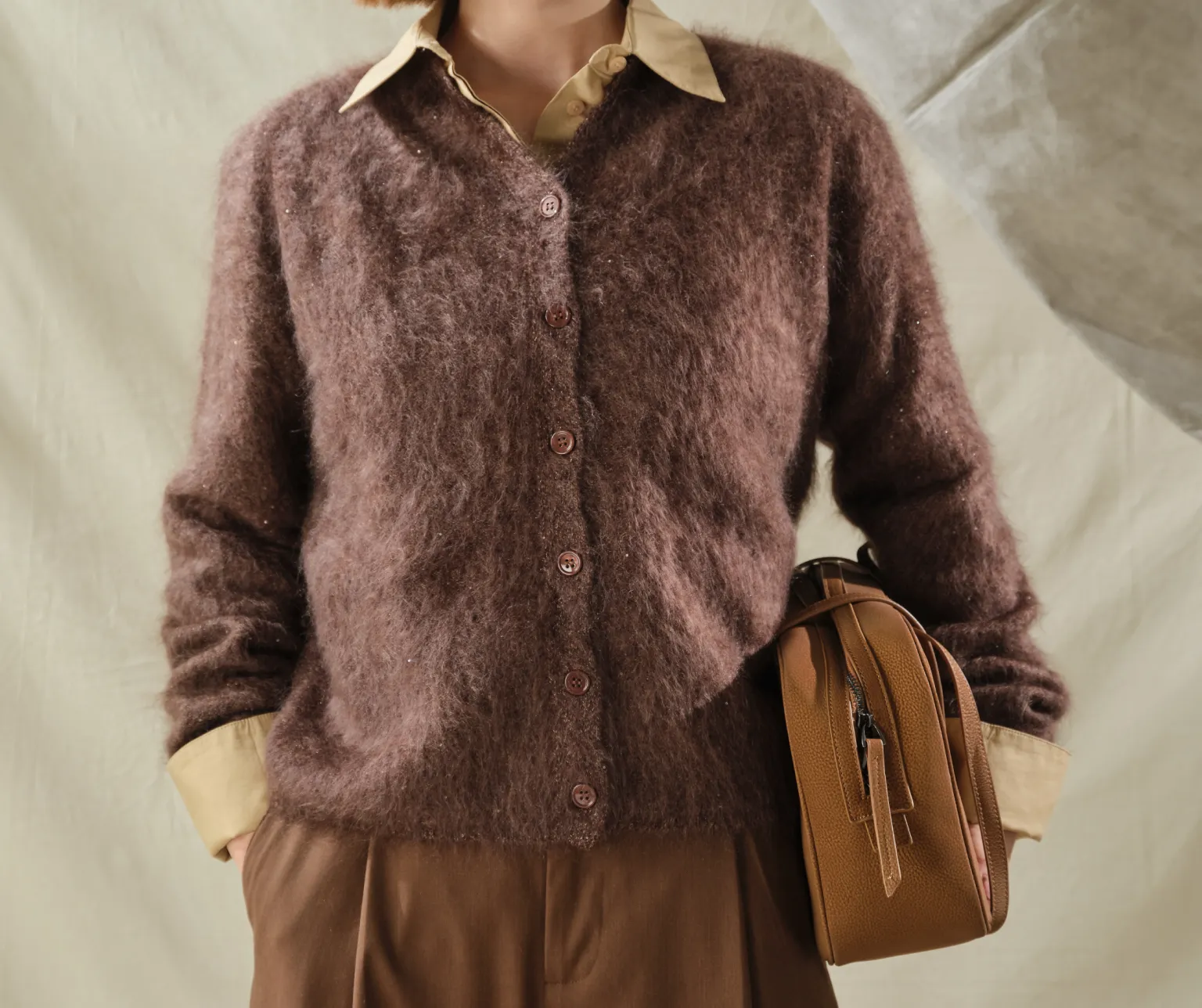
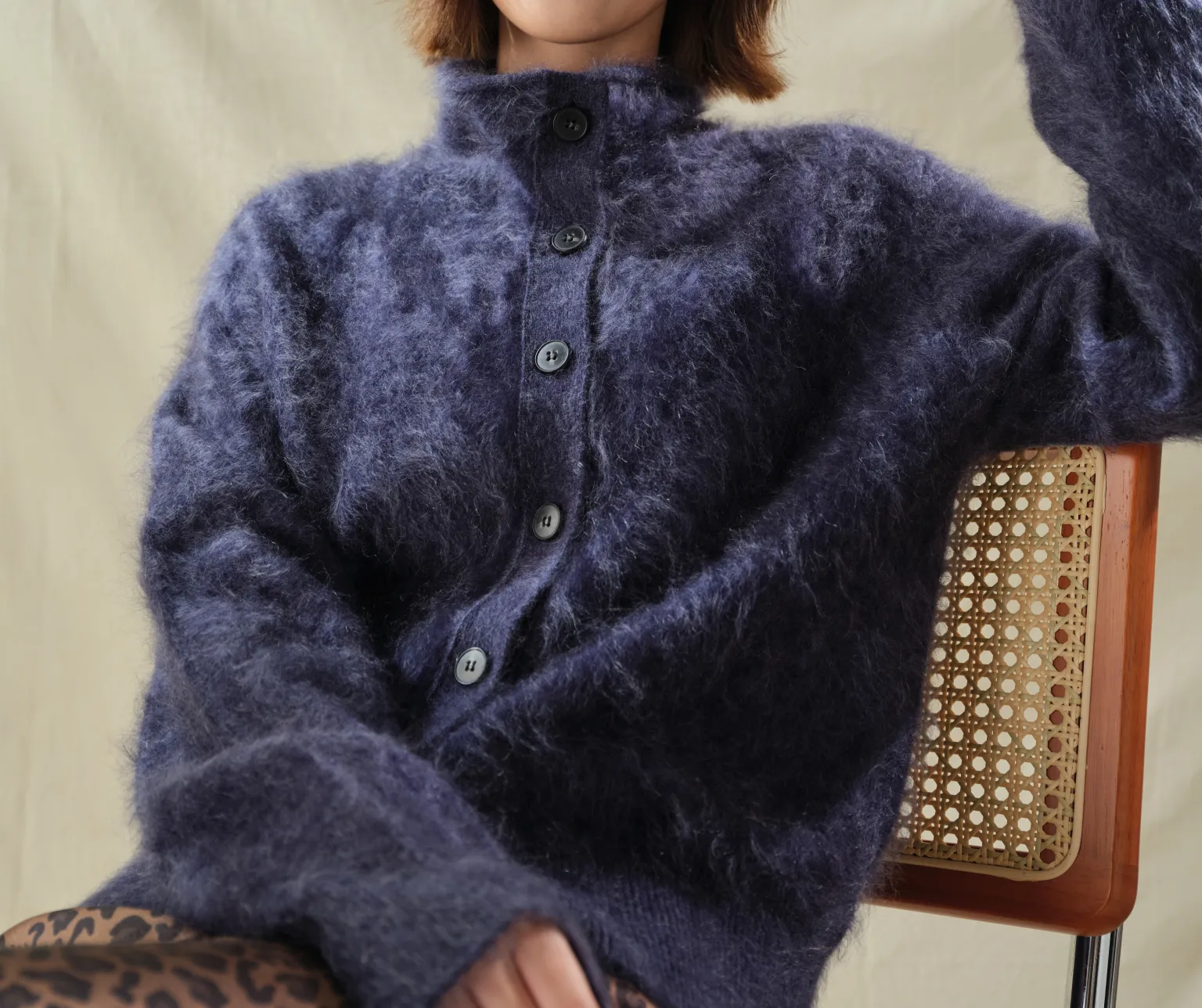
Chunky Cashmere Mock Neck Cardigans

Oversized Cashmere Half-Zip Turtleneck Sweaters
Turtleneck production adds one variable most knitwear does not have: collar recovery. Tension for the collar matrix is programmed separately from the body, then verified after milling, because cashmere relaxes in washing. Fiber preparation is managed at our own facility, with knitting and finishing handled by audited partner mills, and every batch passes a dimensional audit against approved grading rules.
We utilize specialized knitting programs that adjust the tension specifically for the collar matrix. By combining high-twist yarns with precise linking techniques, the collar maintains the elasticity needed to pass over the head while possessing the structural memory to stand correctly without stretching out over time.
Yes, our technical team develops patterns and knitting programs for all high-neck variations, including classic turtlenecks, roll necks, mock necks, funnel necks, and draped cowl necks, adapting the gauge and yarn count to suit each specific silhouette.
Prototype sampling usually takes 7 to 14 days when utilizing our extensive inventory of stock yarn colors. Following sample approval, bulk production typically requires 30 to 45 days, depending on the complexity of the design and overall order volume.
Cashmere naturally relaxes during the wet-finishing stage. We calculate these shrinkage rates precisely during prototype development and incorporate them into the final knitting programs. Every batch undergoes strict post-washing dimensional audits against the approved grading rules before packaging.
The turtleneck collar is a knitted structure under permanent mechanical load. Every time the garment is worn, the collar stretches to pass over the head and must then recover to a standing position against the neck. This cycle repeats hundreds of times over the garment's life, which makes collar engineering the central technical problem of turtleneck production.
Tension architecture. A collar knitted at body tension will either constrict the neck or collapse after a few wears. Professional turtleneck programs specify a separate tension ratio for the collar matrix, typically knitted tighter than the body with a higher-twist yarn. Rib structures (1x1 or 2x2) are standard because rib geometry provides both stretch and recovery; the choice between them affects collar height stability and should be sampled before bulk.
Recovery testing. Collar performance can be verified with a simple protocol: stretch the collar over a standardized head-form fifty times, then measure collar height and circumference against the pre-test values. A well-engineered collar recovers to within a few millimeters. We run this check at sample stage and re-verify after milling, because washing relaxes cashmere and changes the collar's mechanical behavior more than any other stage.
Height and roll behavior. Specification should state collar height in centimeters and define the intended behavior: a classic fold-over turtleneck, a structured standing collar, or a soft roll. Each behaves differently in the same yarn. Buyers comparing silhouettes can review our roll neck range alongside classic turtlenecks to see how collar construction changes with height.
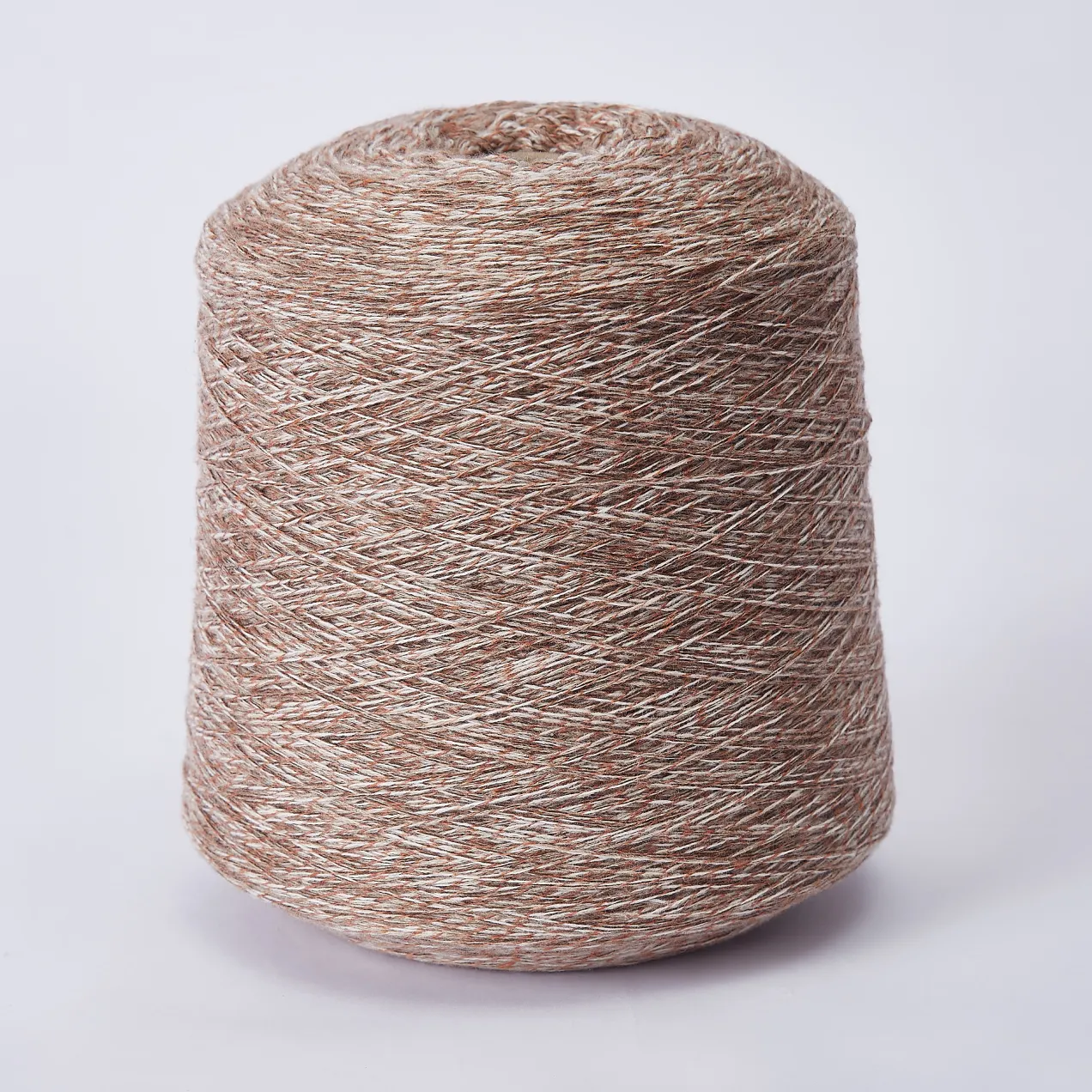
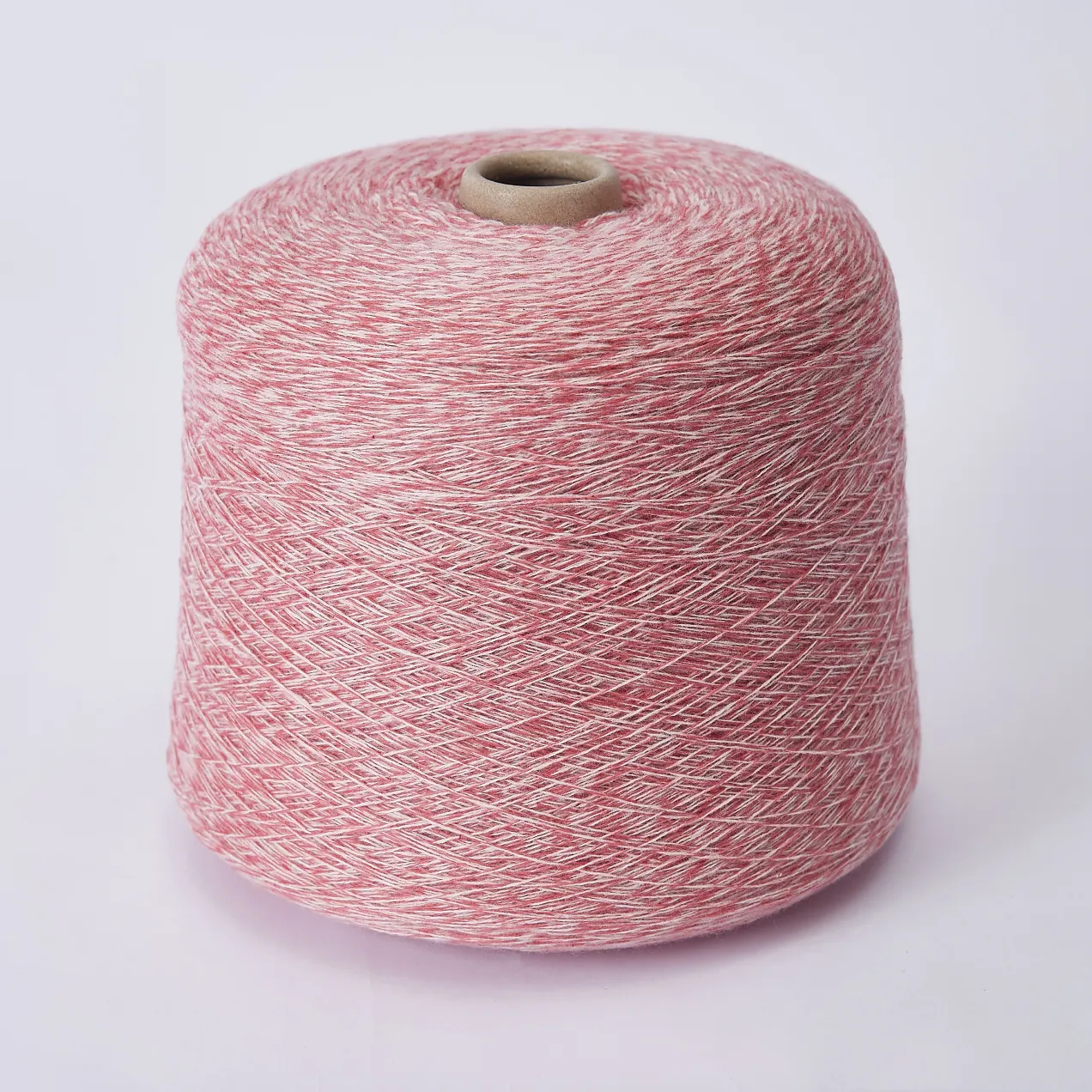
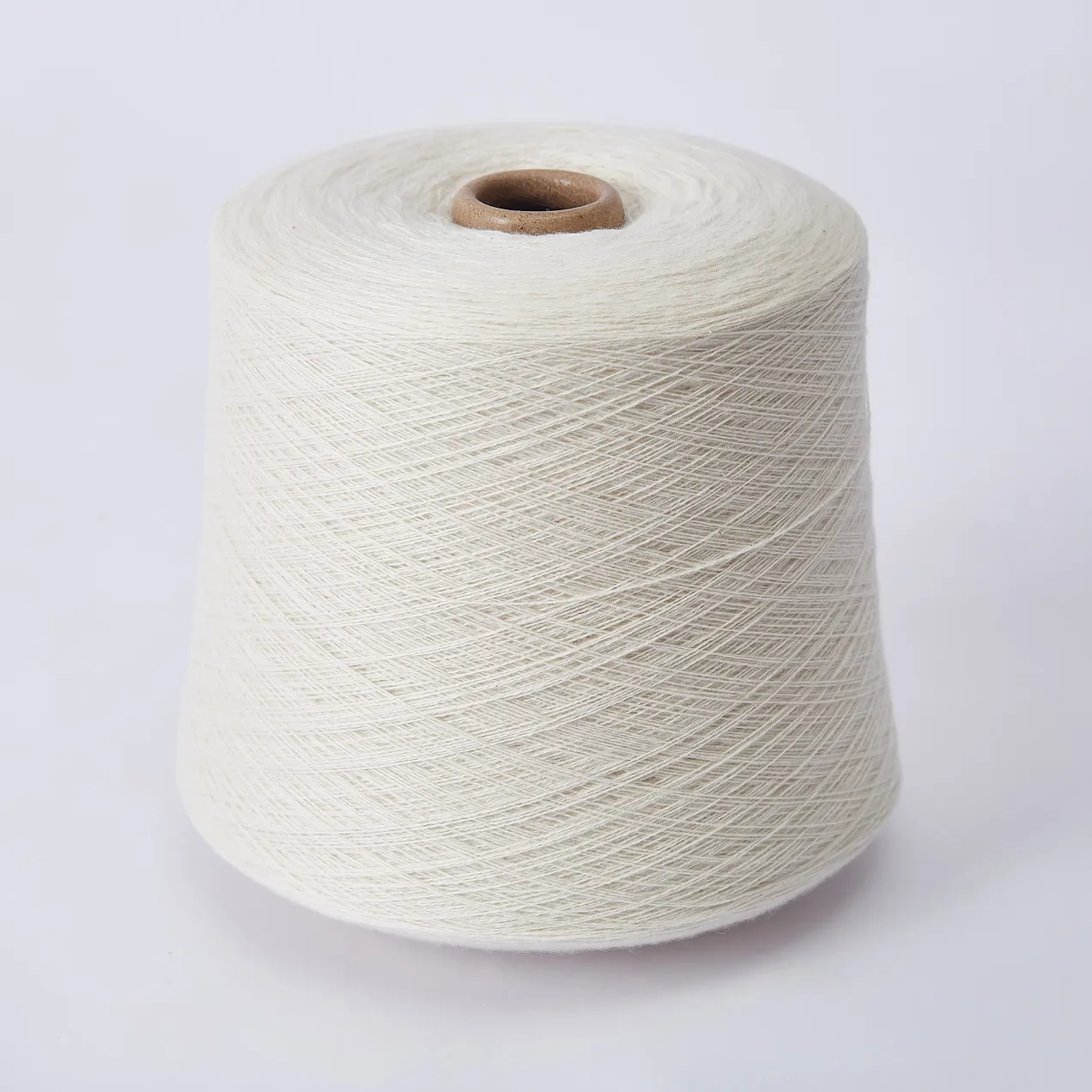
Skin-contact requirements. A turtleneck touches the neck continuously, so micron count matters more here than in most knitwear. Yarn specified at 15.5 microns or below prevents the prickle response that generates consumer returns. Suitable counts are listed in our yarn collection, including silk-cashmere options that improve collar drape on fine-gauge styles.
Dimensional control. Collar circumference tolerances should be written into the grading rules and audited on flat lays after finishing. Programs developed through our custom service include collar measurement as a standard audit line, with records kept per batch for repeat orders.
Program note. For buyers building a winter capsule, turtlenecks also carry the highest average selling price of the sweater category, which justifies the additional sampling effort at the collar. Locking the collar specification at development and auditing it on bulk is what separates a repeatable turtleneck program from a one-season experiment.