
Search
Enter keywords to search for products, blog posts, and more.
Enter keywords to search for products, blog posts, and more.


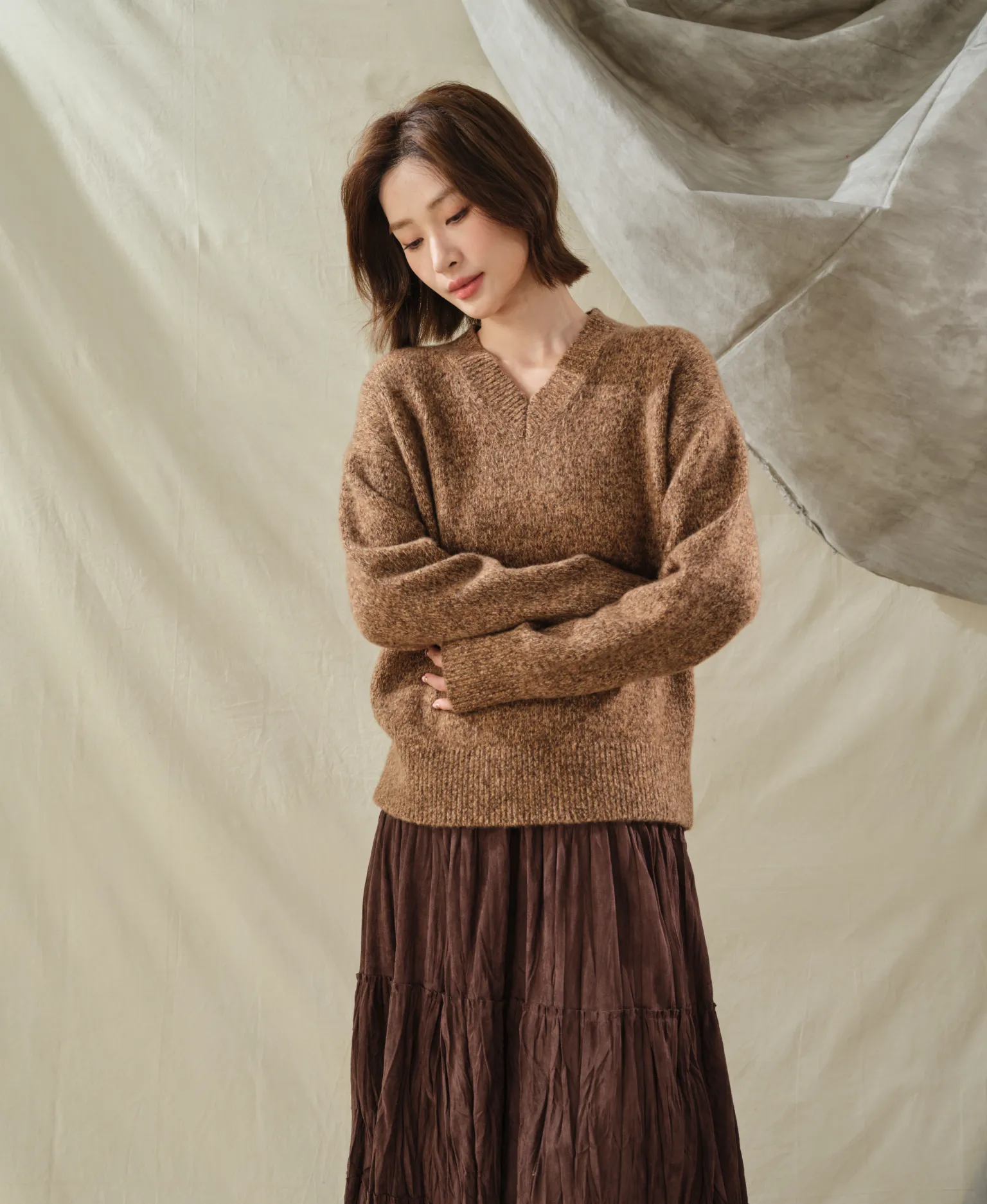
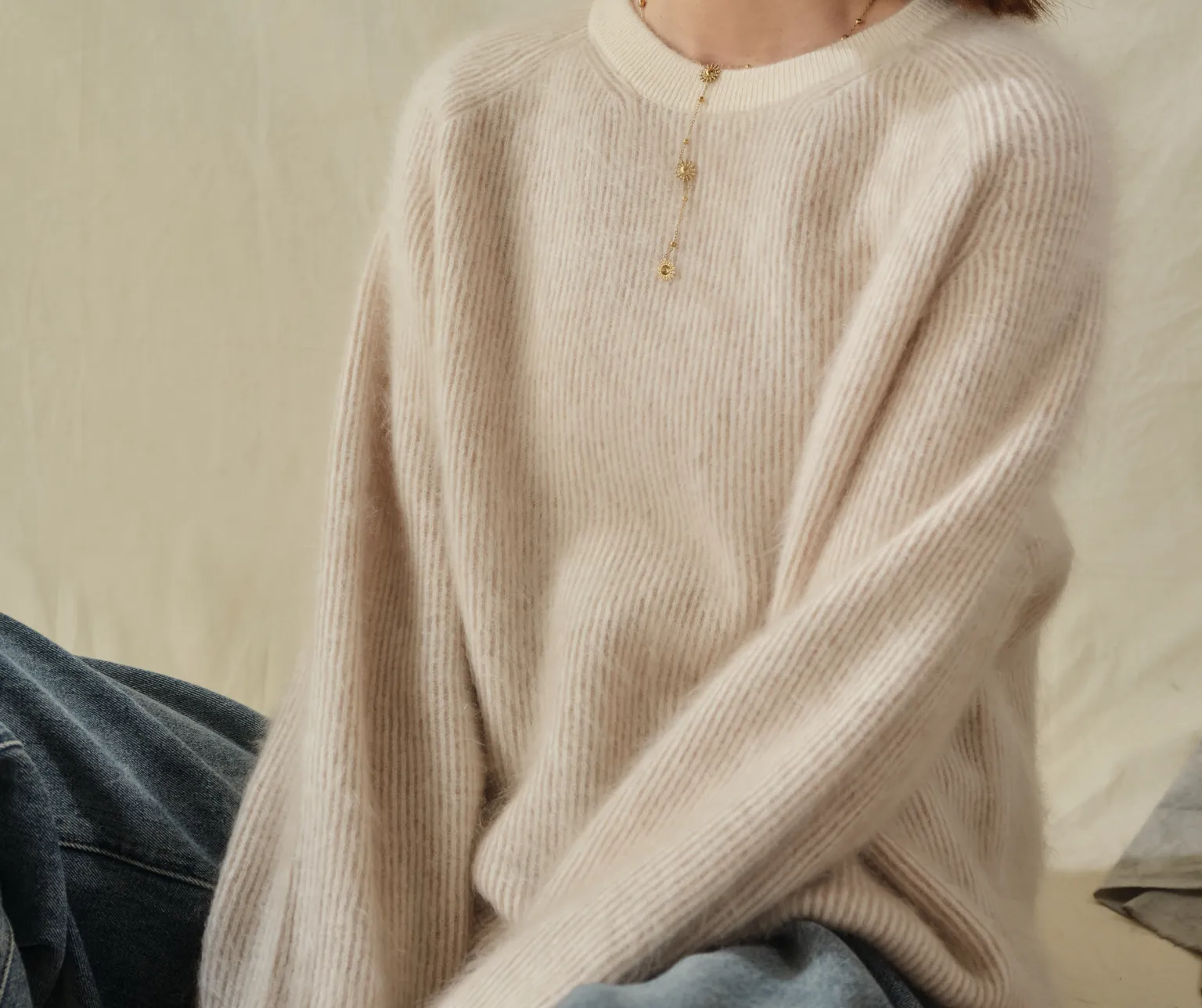
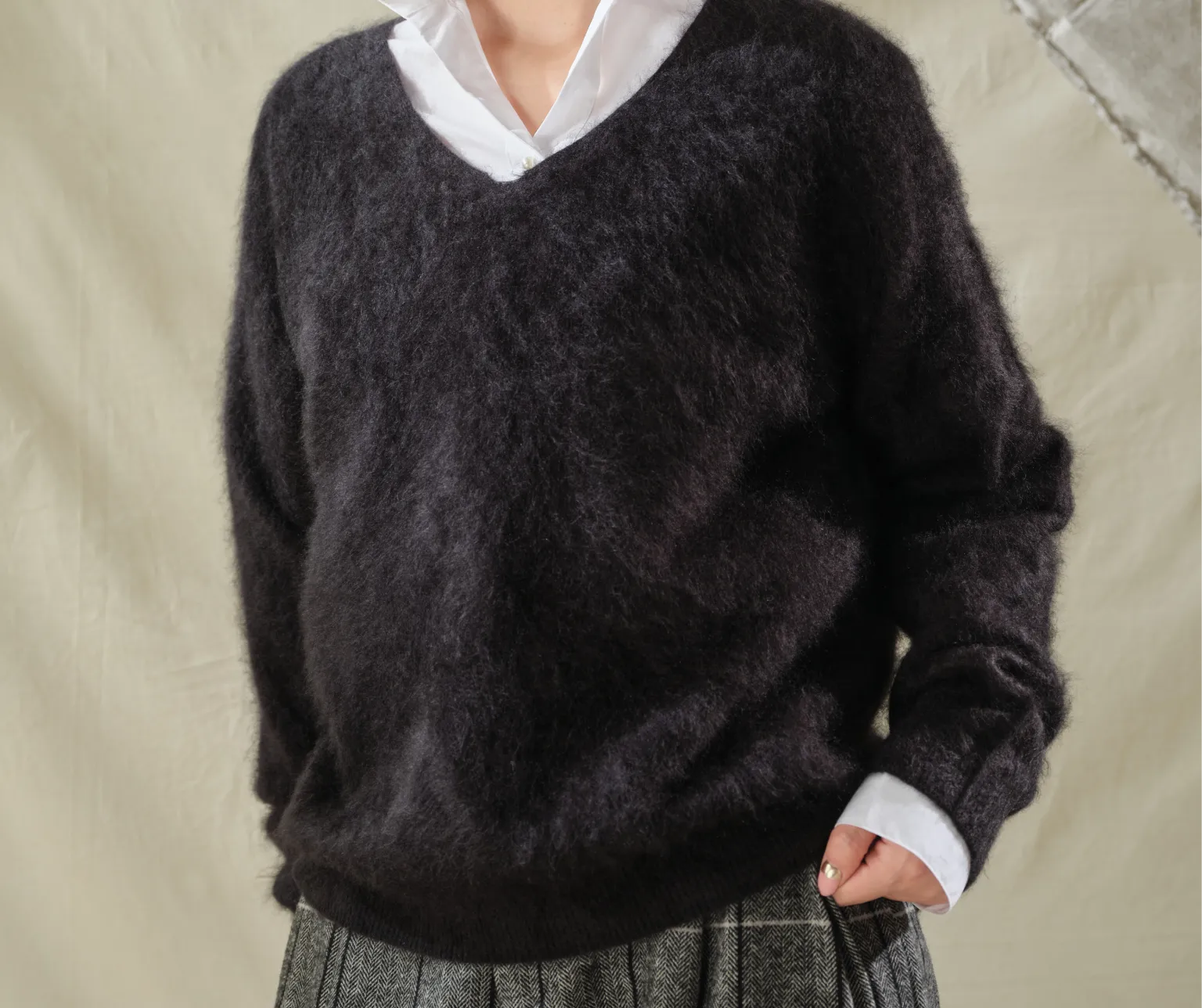
Classic Oversized Cashmere Sweaters

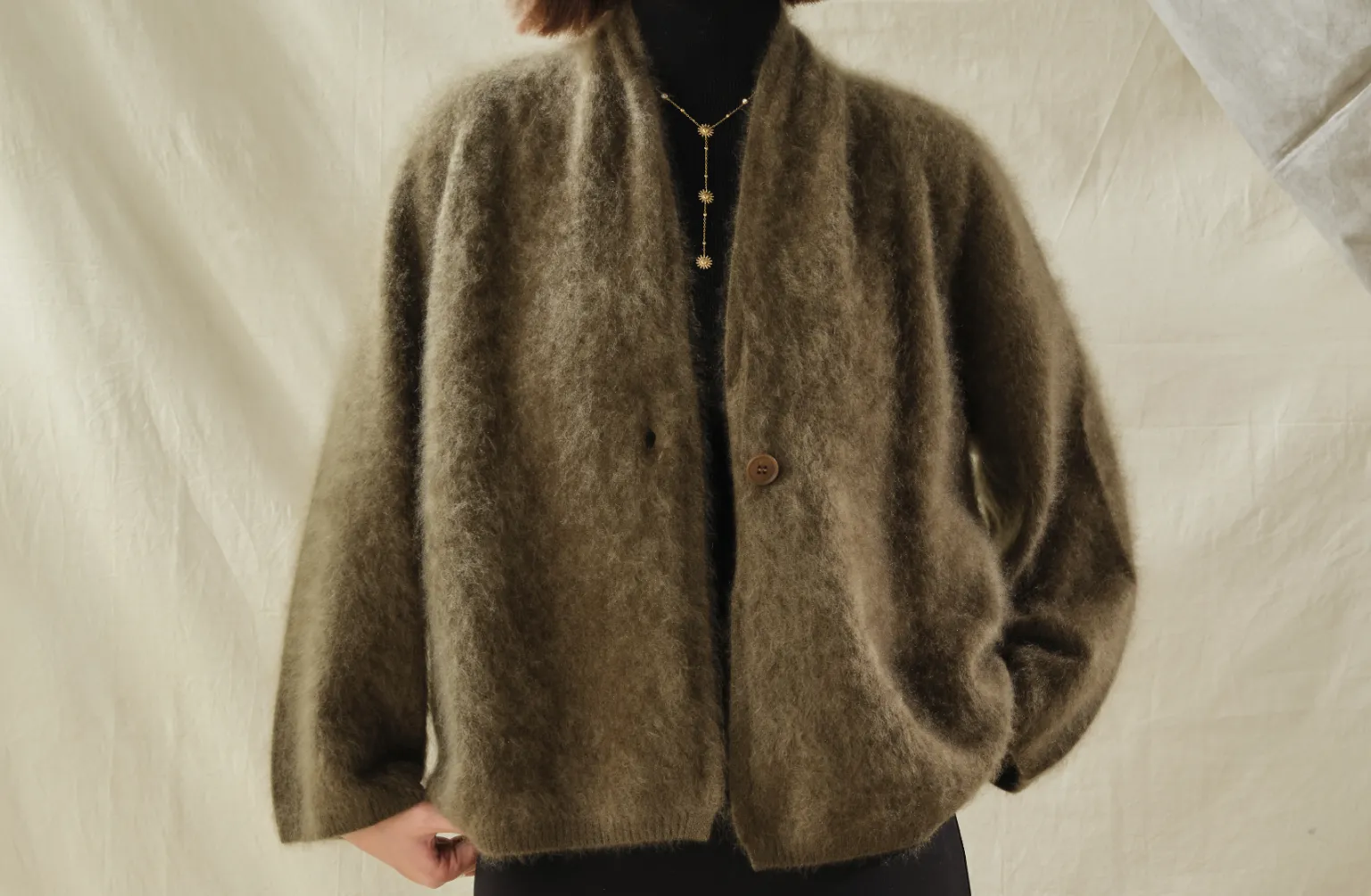
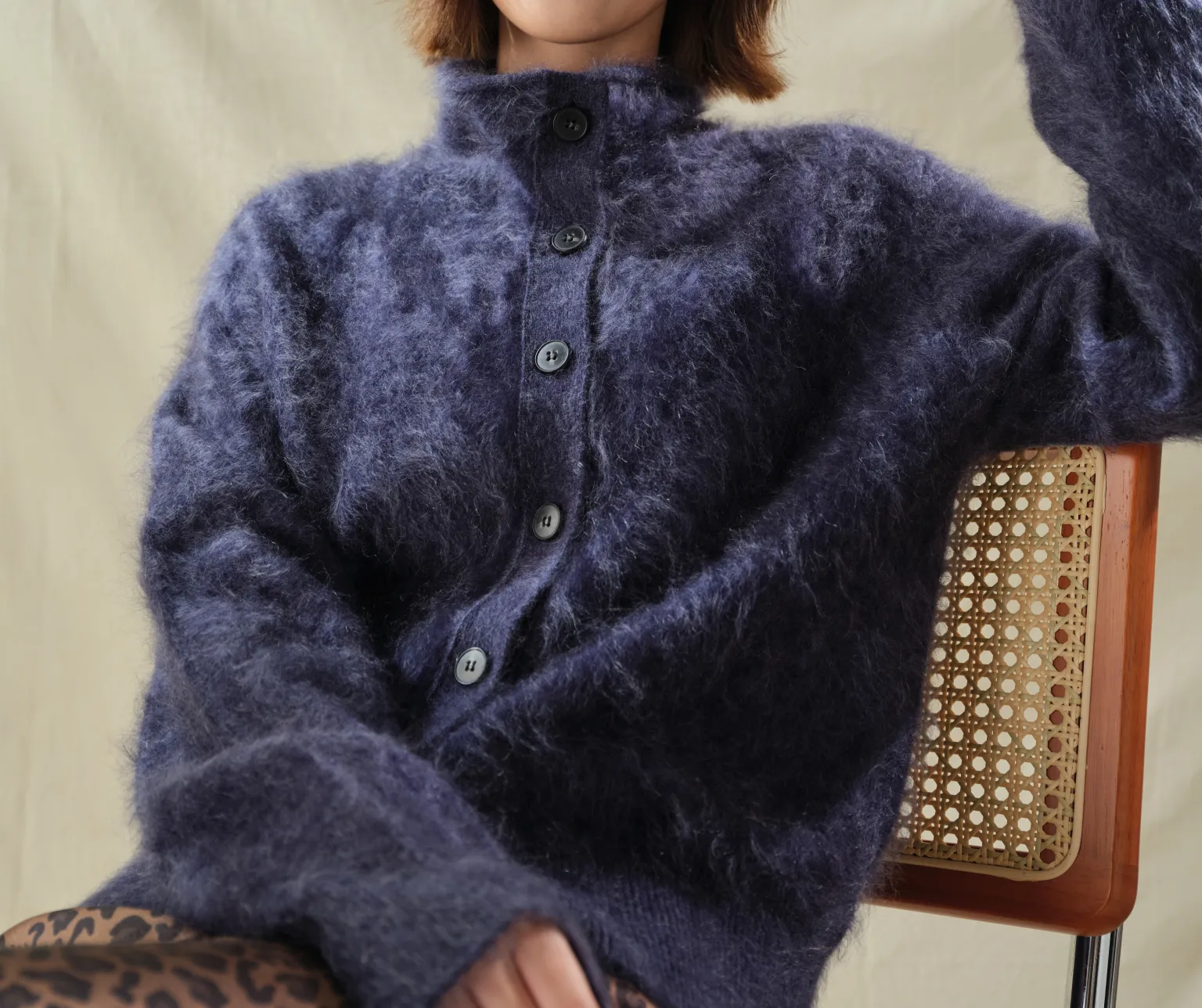
Boyfriend Oversized Cashmere Cardigans

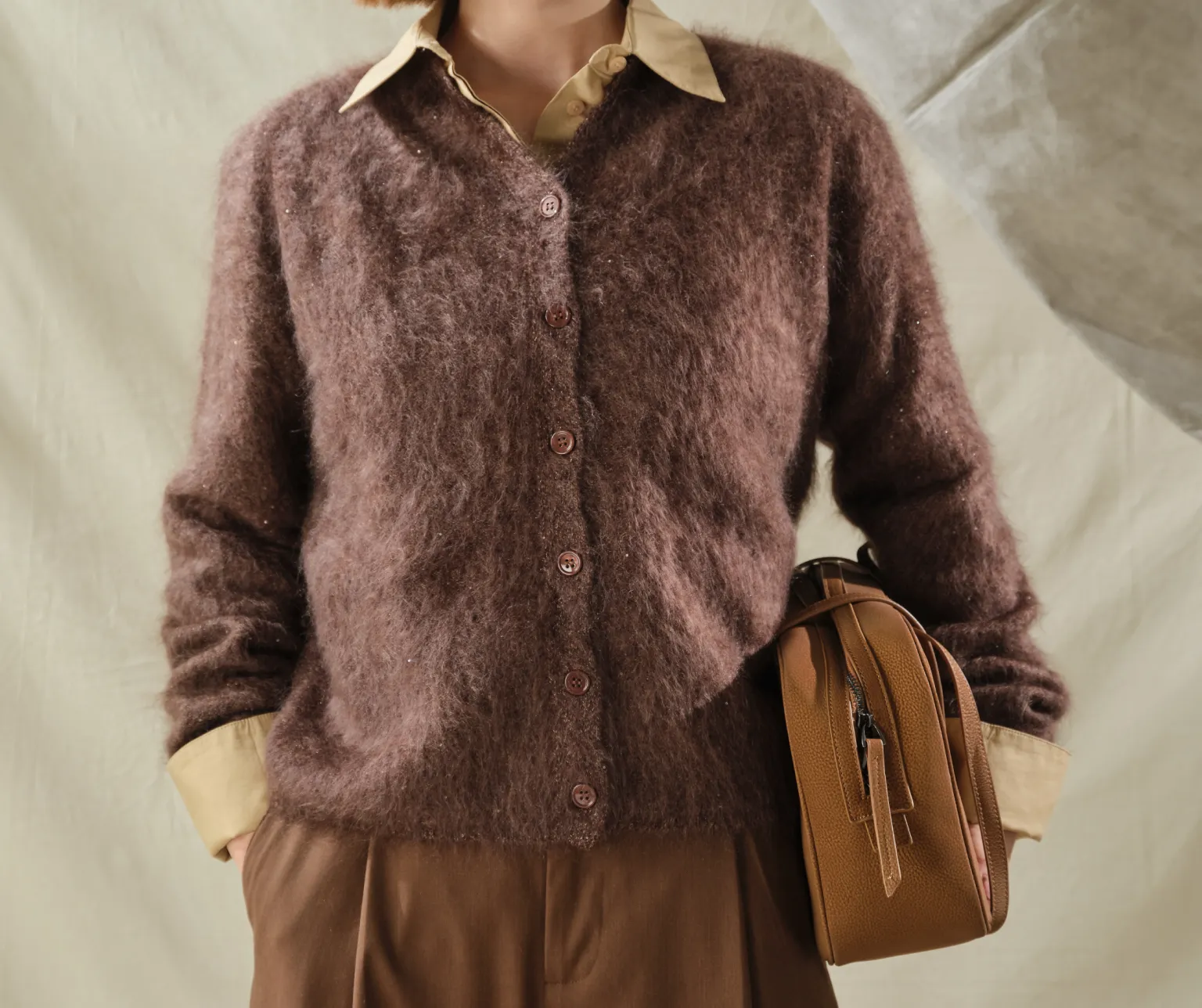
Chunky Oversized Cashmere Cardigans

Oversized Cashmere Short-Sleeve Sweaters

Slouchy Oversized Cashmere Sweaters

Boxy Fit Oversized Cashmere Sweaters

Relaxed Oversized Cashmere Short-Sleeve Pullovers

Heavyweight Oversized Cashmere Pullovers
The larger the silhouette, the more the fabric weighs, and gravity works on every seam. We raise knitting density on shoulder and side panels and verify garment length after milling, when cashmere relaxes most. Fiber preparation is handled at our own facility, production runs through audited partner mills, and bulk pieces are measured on flat lays before packing.
Yes, our technical programming team can execute any relaxed silhouette specified in your tech pack. This includes classic boyfriend sweaters, ultra-wide boxy fits, dramatically dropped shoulders, and elongated dusters across various gauges ranging from fine 16gg to chunky 3gg.
Oversized knitwear inherently consumes significantly more raw material. Depending on the width and length specifications, an oversized sweater can consume 20% to 40% more cashmere compared to a standard fitted piece. This increase in raw material usage directly impacts the final unit cost, which we calculate transparently during the prototype phase.
Prototype sampling usually takes 7 to 14 days when utilizing our extensive inventory of stock yarn colors. Following sample approval, bulk production typically requires 30 to 45 days, depending on the complexity of the grading required for the oversized proportions and the overall order volume.
We prevent bagging by utilizing long-staple Inner Mongolian cashmere yarns that resist snapping and by programming exact machine tension parameters. Furthermore, we reinforce critical stress points like the shoulder seams and strictly adhere to flat-drying protocols during wet finishing, ensuring the garment retains its structural memory.
An oversized sweater succeeds when the fabric moves with the body and fails when the garment carries itself. The difference is not the pattern alone — it is the relationship between yarn count, gauge, knitting density, and garment weight. Buyers developing oversized cashmere programs should treat drape as an engineering target with measurable inputs.
Weight management. Oversized patterns add surface area, and every added square centimeter adds yarn. A women's oversized medium can consume 450 to 600 grams of cashmere — double a classic fit. Left unmanaged, that weight hangs from the shoulders and stretches the garment downward over time. The corrective is density: knitting slightly tighter than a classic fit at the same gauge gives the fabric enough structure to carry its own weight while keeping the surface fluid.
Shoulder and drop specification. The dropped shoulder is the silhouette's defining measurement and its main grading risk. Drop distance should be specified in centimeters and graded consciously across sizes, because a drop graded proportionally becomes extreme at XL and negligible at XS. Shoulder seams in oversized styles also carry more load, which is why we reinforce them and verify seam recovery after washing.
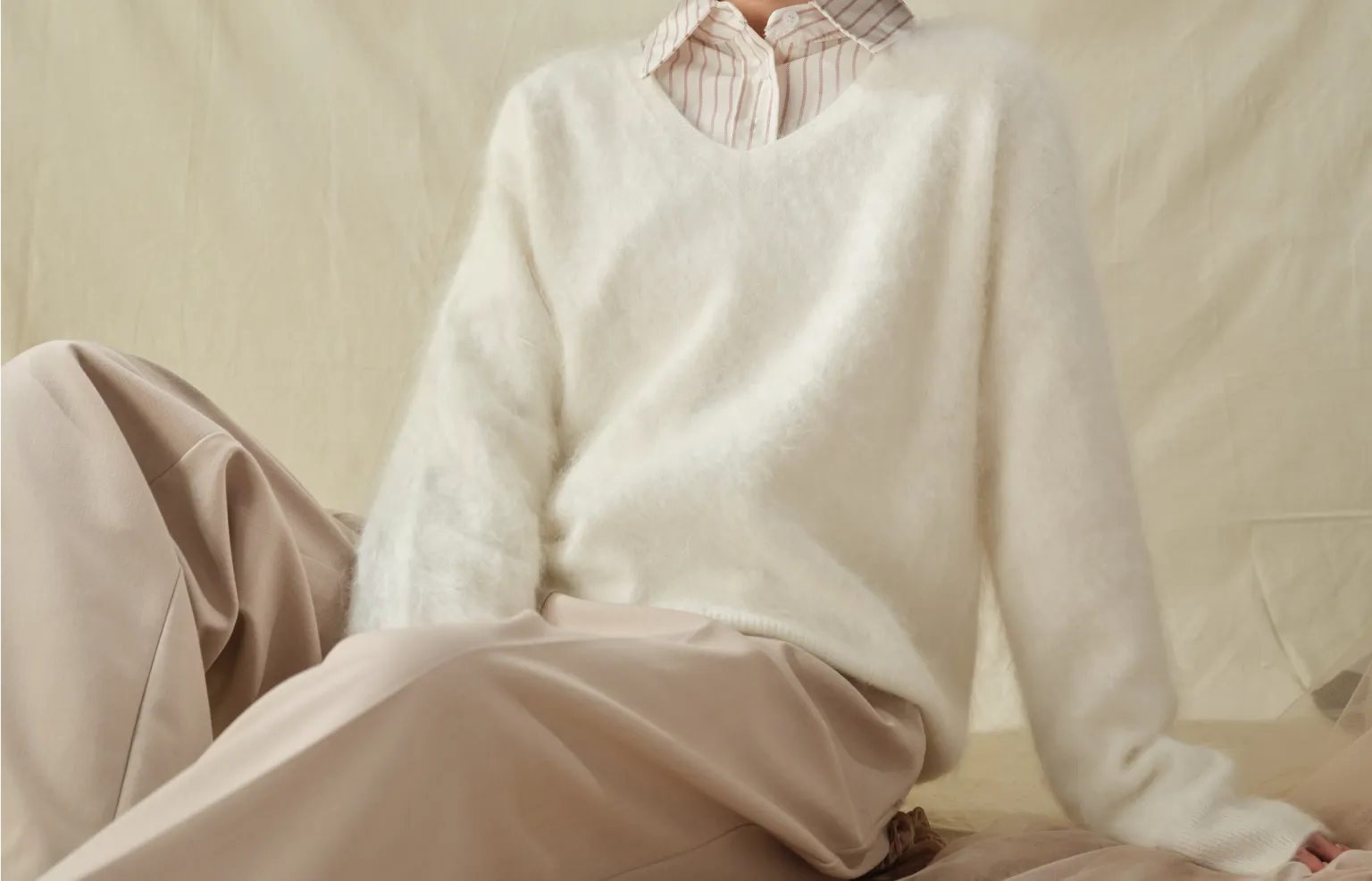
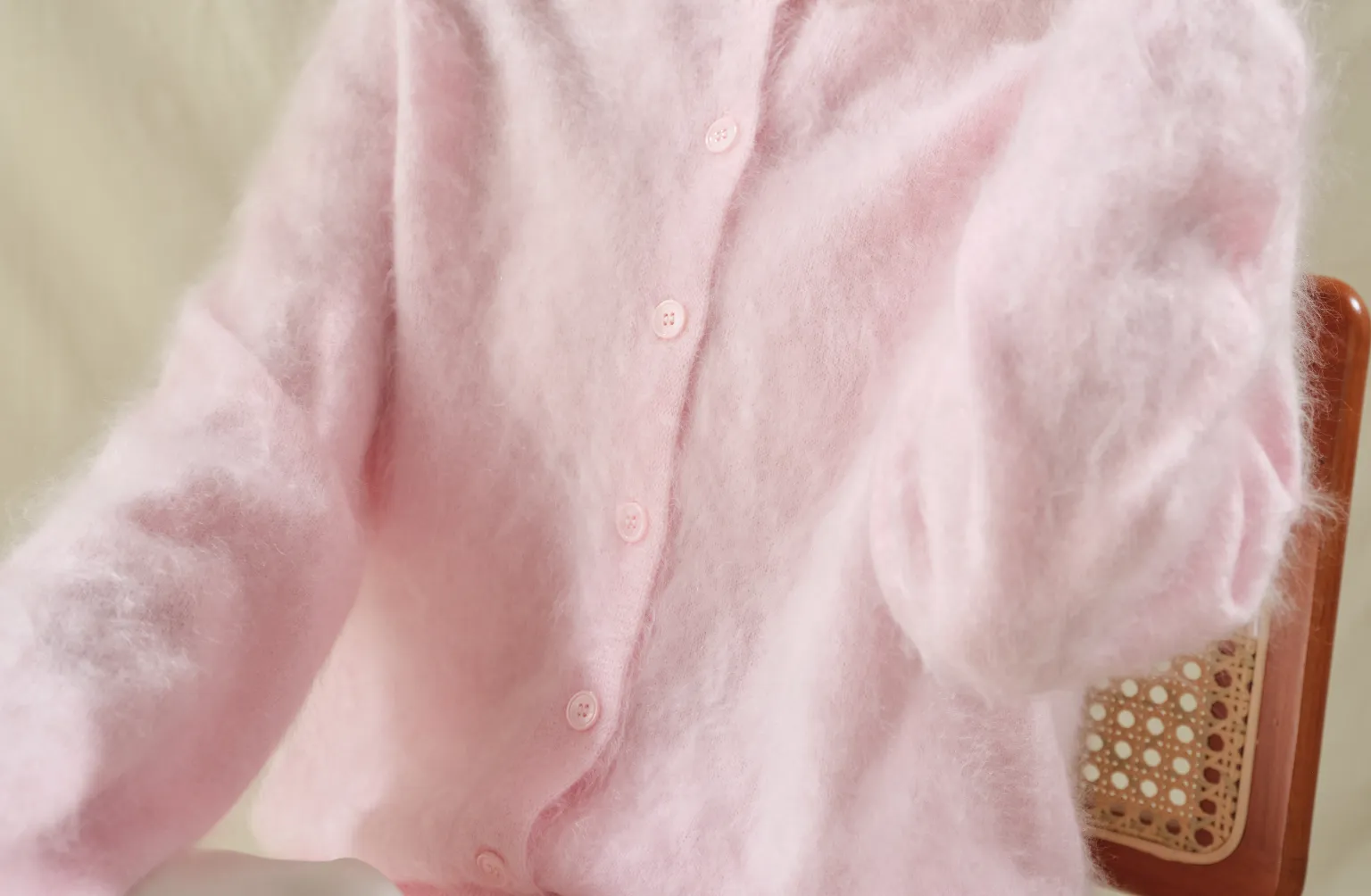
Brushed finishes at scale. The oversized category pairs naturally with brushed cashmere: the raised nap adds volume without adding weight. Brushing intensity must be specified and controlled, since over-brushing weakens yarn security and causes shedding in a garment with an unusually large surface. Our brushed cashmere range and the corresponding brushed yarn counts show how the finish is managed from yarn stage onward.
Measurement discipline. Oversized fits relax visibly during milling — body length can change by several centimeters. Finished measurements are therefore audited after washing on flat lays, against a spec that records length, chest, drop, and hem width per size.
Program development. Density targets, drop grading, and brushing parameters are locked at the sample stage through our custom development service and carried into bulk as documented values, so the drape approved on the proto is what ships.
Grading note. Many contemporary brands now specify oversized styles in reduced size runs — one or two sizes covering the full range. This approach works only when the block is engineered for it; adapting a graded classic block upward produces shoulder and sleeve distortions that no amount of fabric weight can disguise.