
Search
Enter keywords to search for products, blog posts, and more.
Enter keywords to search for products, blog posts, and more.


Classic Cashmere Crew Neck Sweaters

Relaxed Raglan Cashmere Sweaters

Ribbed Cashmere Henley Sweaters

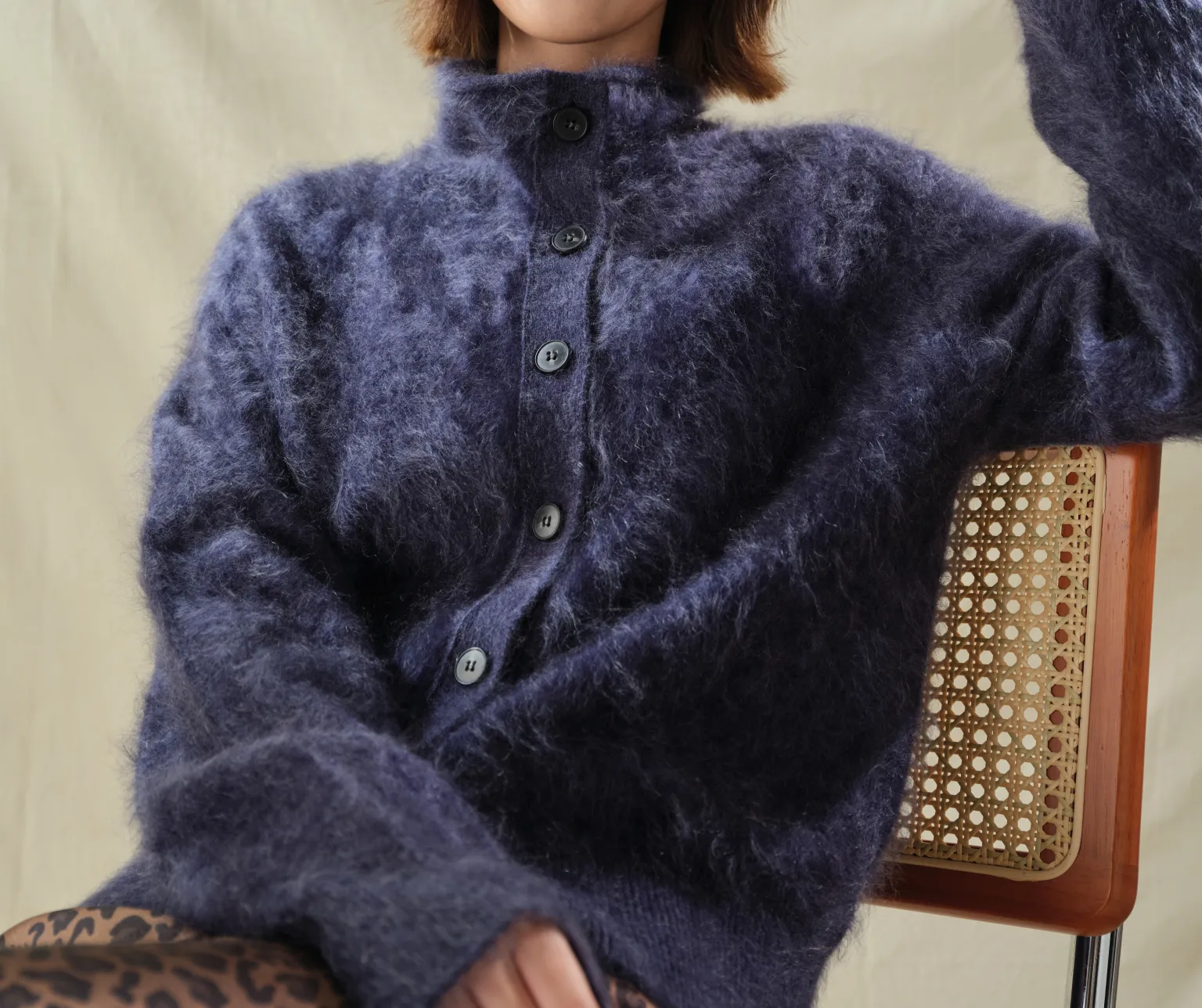
Fine-Gauge Button-Placket Cashmere Sweaters

Chunky Yoke Knit Cashmere Sweaters

Boxy Cashmere Knit Cardigans

Traditional Fair Isle Cashmere Sweaters

Mock Neck Cashmere Knit Dresses
A sweater order moves through five controlled stages: fiber selection, yarn approval, knitting, wet finishing, and final audit. We handle raw-fiber preparation at our own facility and place the remaining stages with partner mills that have passed our audits. Measurements, weight tolerance, and shade are recorded at sampling and re-verified on bulk pieces before packing.
Yes, we provide comprehensive OEM services. You can submit detailed tech packs, reference samples, or sketches. Our technical development team will translate your designs into knitting programs, select the appropriate yarn count and gauge, and produce initial prototypes for your approval prior to grading and bulk production.
Because fiber preparation is managed at our own facility and production runs through long-term partner mills, timelines stay predictable. For styles utilizing our 100+ stock yarn colors, prototype sampling typically requires 7 to 14 days. Standard bulk production timelines generally range from 30 to 45 days upon sample approval and deposit, depending on order volume and machine scheduling.
Absolutely. If our extensive inventory of over 100 stock colors does not meet your requirements, custom Pantone color matching is executed through our partner dye houses under our lab-dip approval protocol. We provide lab dips for your review and approval, ensuring the final garments align perfectly with your brand's seasonal color palette.
Pilling is minimized starting at the raw material phase. We source long-staple Inner Mongolian cashmere (34mm-36mm), which allows for a tighter, more stable yarn twist. Additionally, our calibrated knitting tension and precise wet-milling process prevent excessive fiber surface exposure, significantly enhancing the garment's natural resistance to pilling during regular wear.
Most quality disputes in knitwear sourcing trace back to an incomplete specification. A sweater that arrives heavier than expected, a shade that drifts between dye lots, a collar that loses recovery — these are specification failures, not manufacturing surprises. Buyers who define five variable groups at the development stage eliminate the majority of bulk-production risk.
1. Fiber grade. Start with the measurable properties of the raw material: micron count and staple length. Grade A cashmere runs 14.0 to 15.5 microns with a 34 to 36mm staple, and these two numbers predict softness and pilling behavior more reliably than any marketing descriptor. The criteria are laid out in our guide to Grade A cashmere sourcing, and any serious supplier should state them on the yarn specification sheet.
2. Yarn count and gauge. Count and gauge operate as a pair. A 2/26Nm yarn knitted on 12gg produces the standard mid-weight sweater of global retail; the same yarn on 7gg produces a visibly denser, heavier garment. Changing either variable changes fabric weight, drape, cost per piece, and yarn consumption, so both should appear on the tech pack together with a target garment weight per size.
3. Construction. Seam type (linked versus overlocked), collar attachment, and reinforcement points belong in the specification. Single-stitch linking costs more in labor than overlocking but produces a flat seam that survives years of wear — for premium positioning, this is a definable requirement, not a preference.
4. Finishing parameters. Milling time, water temperature, and brushing intensity determine the final hand-feel. These values should be recorded at sample approval and held constant on bulk; a two-minute difference in milling produces a measurably different fabric. Brushed styles additionally require a defined anti-shedding process, since raised fibers are mechanically less secure in the yarn structure.
5. Compliance and testing. Export programs should specify test standards up front: pilling (ISO 12945), dimensional change after washing (ISO 6330), colorfastness, and chemical compliance for the destination market. Yarn for these programs can be selected from the cashmere yarn collection with test reports available per lot.
Buyers who prefer to outsource this framework can run the program through our custom development service, where specification, sampling, and bulk QC are managed as a single documented workflow.