
Search
Enter keywords to search for products, blog posts, and more.
Enter keywords to search for products, blog posts, and more.


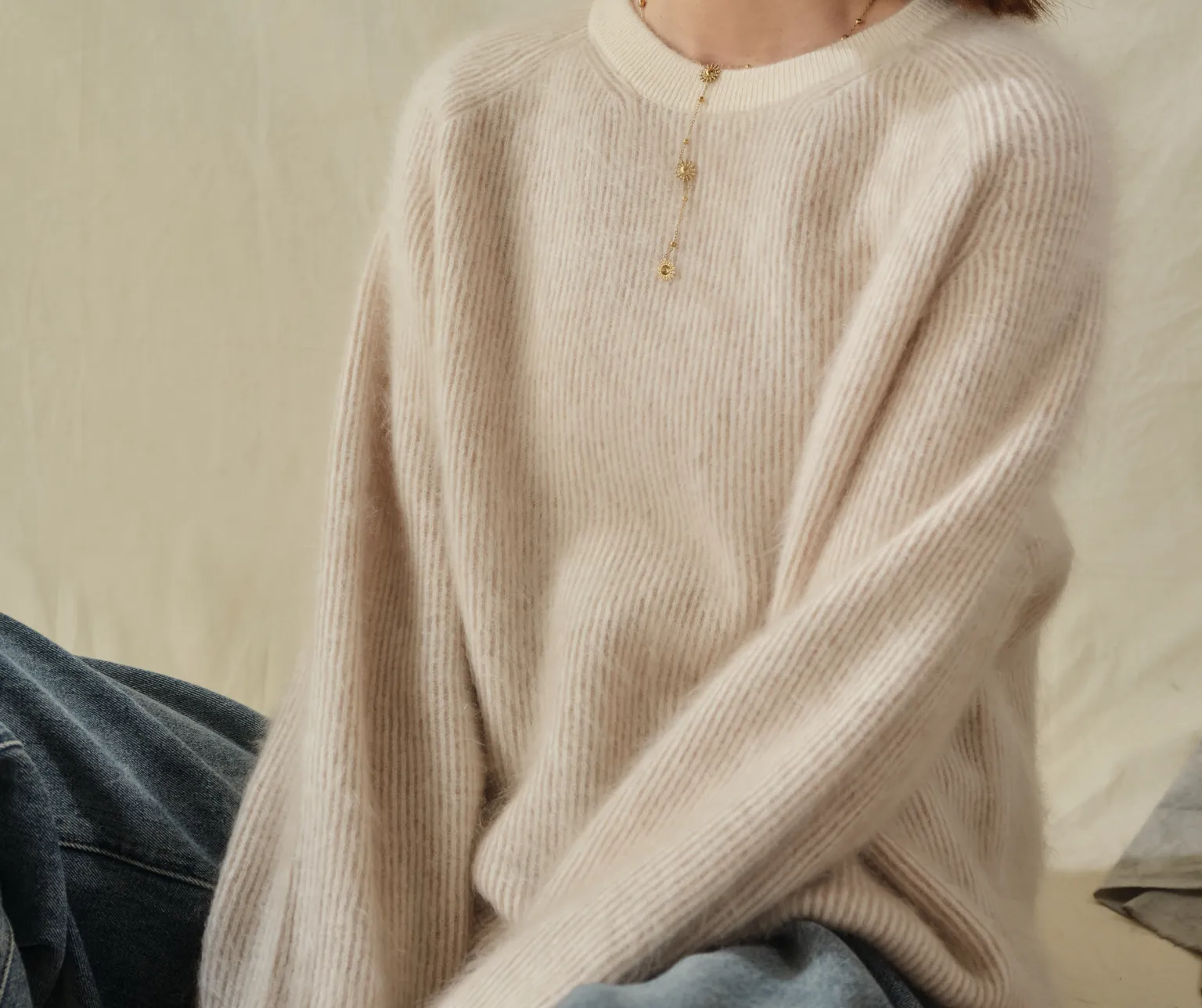
Basic Silk Cashmere Crew Neck Sweaters

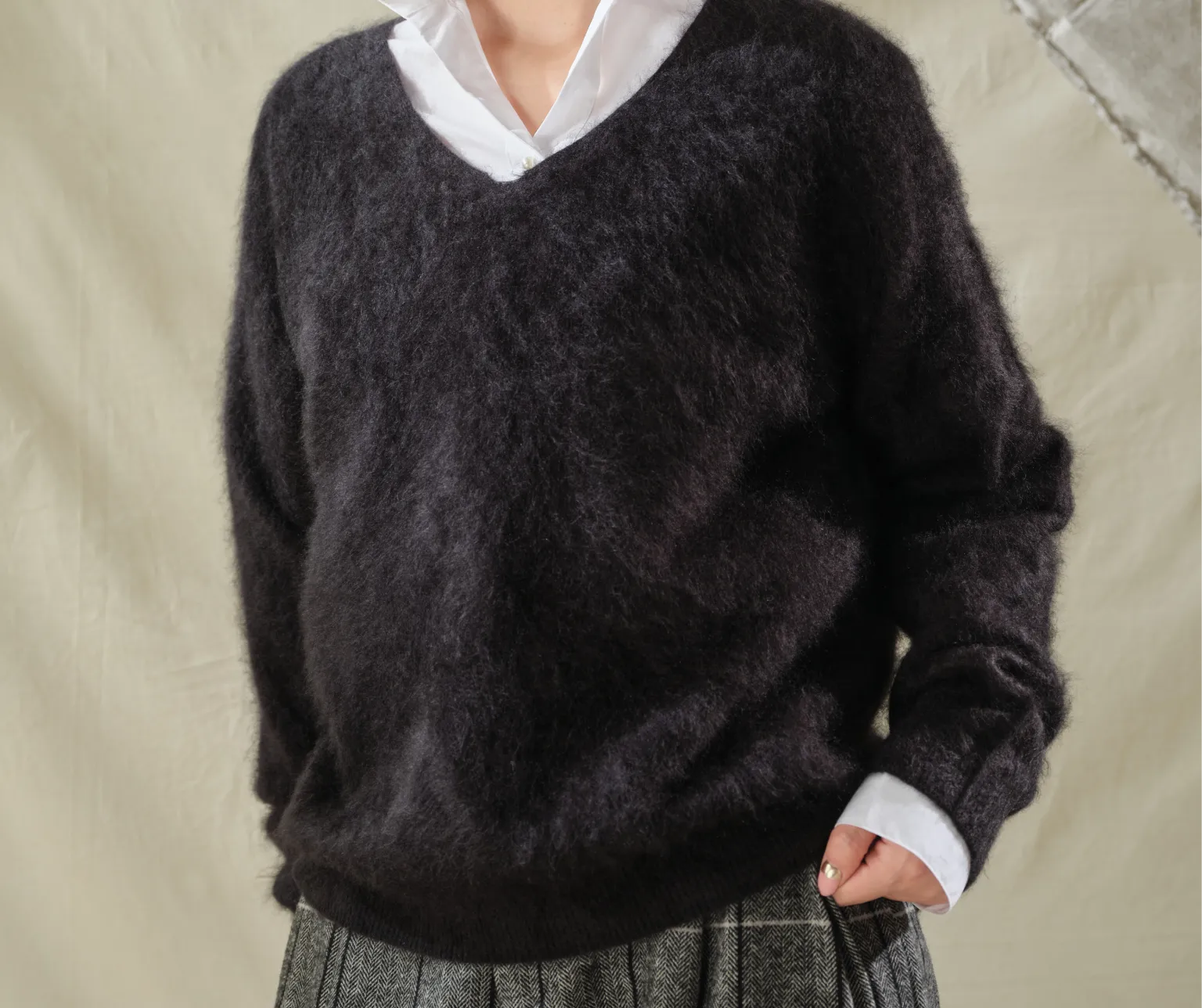
Fine Gauge Silk Cashmere V-Neck Pullovers

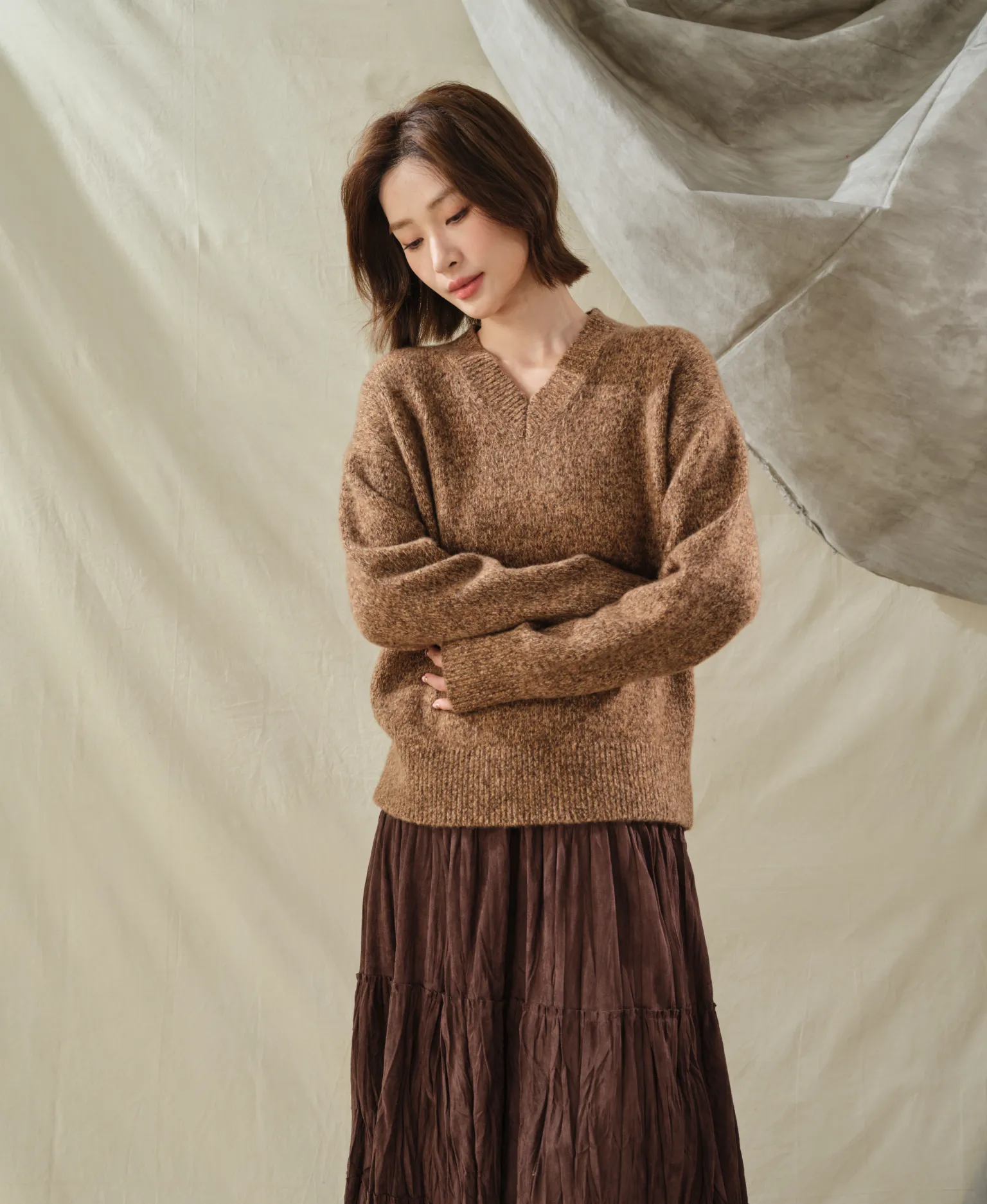
Oversized Silk Cashmere V-Neck Sweaters

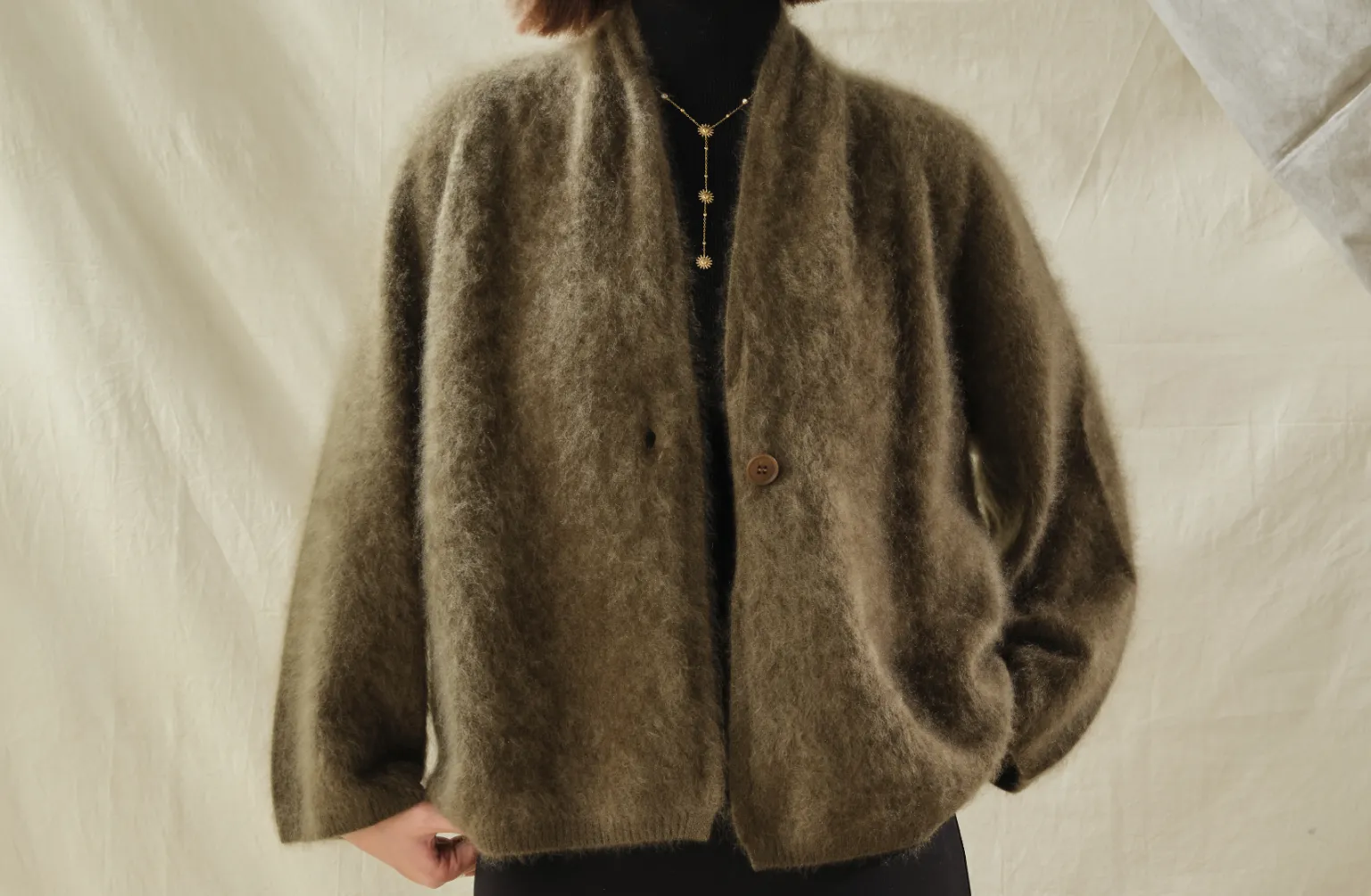
Lightweight Silk Cashmere Cardigans

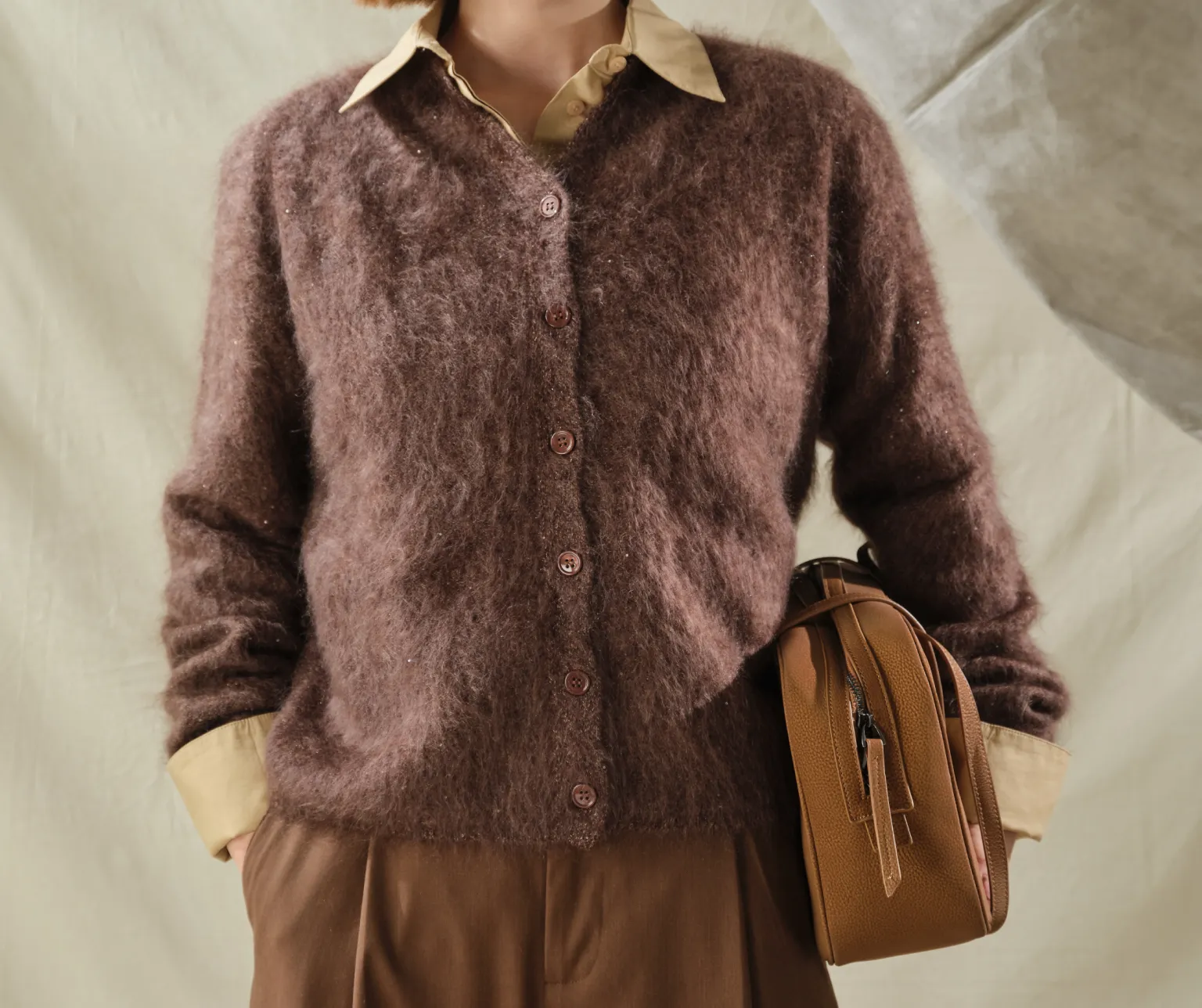
Premium Silk Cashmere Button-Up Cardigans

Ribbed Silk Cashmere Turtleneck Sweaters

Trans-seasonal Silk Cashmere Zip-Up Sweaters

Textured Silk Cashmere Cable Knit Sweaters
A silk-cashmere program depends on three controlled variables: uniform fiber mixing at carding, union dyeing that brings both fibers to one shade, and a milling window short enough to protect the silk's luster. These parameters are locked at the sample stage and held on bulk, with composition verified per lot.
Intimate blending mixes the raw, unspun cashmere and silk fibers together in massive carding machines, creating a single yarn that is perfectly uniform in softness, luster, and shrinkage. Twisting involves taking one finished silk thread and one finished cashmere thread and winding them together, resulting in an uneven, "stripey" sweater where the two materials behave unpredictably during wear and washing.
Blending with silk is a structural and aesthetic enhancement. While 100% cashmere is incredibly soft, it can pill under friction and lacks fluid drape. Blending with silk provides immense tensile strength, a subtle, elegant luster, and exceptional fluidity. It creates a lightweight, highly breathable fabric perfect for trans-seasonal wear and sophisticated evening silhouettes.
Yes, absolute transparency is our standard. We guarantee our blend ratios and materials. We invite B2B clients to submit our products to independent laboratories (such as SGS or Intertek) for chemical dissolution and microscopic fiber analysis to legally verify the composition and ensure zero synthetic adulteration.
Blending with silk significantly increases durability and prevents pilling. The continuous, perfectly smooth silk filaments act as a structural anchor, tightly binding the shorter, finer cashmere fibers within the yarn core. This vastly reduces the friction-induced shedding and catastrophic pilling often associated with pure, unblended cashmere garments.
Once the blend ratio and yarn are fixed, the garment factory phase introduces its own set of decisions, and buyers who treat a blended style as a routine cashmere order meet predictable surprises. Blended yarn behaves differently on the knitting machine: silk content reduces elasticity, so the fabric grows less after knitting and relaxes less after washing. Knitting tension must be recalibrated for the blend rather than carried over from a pure-cashmere program, and the first panels off the machine should be measured after a full wash-and-relax cycle before the size specification is confirmed. A size chart validated on unwashed panels will produce garments that grade correctly but fit large after the customer washes them.
Drape changes the way silhouettes should be selected. The fluid fall of higher-silk blends flatters fine-gauge, body-skimming styles — lightweight crew necks, V-necks, and cardigans — while structured cables and heavy ribs fight the fabric's nature and waste its luster. Buyers moving from a pure-cashmere collection should review their style list with this in mind and reserve the blend for the silhouettes it genuinely improves. For a deeper look at ratio selection and dyeing behavior, see our silk-cashmere blend program guide; buyers weighing the blend against a pure line can compare it with our 100% cashmere knitwear platform, which runs on the same grading discipline.
Testing requirements also shift with the blend. Pilling resistance should be measured on the actual blended fabric rather than assumed from cashmere benchmarks, because silk's smooth filaments change how surface fibers migrate and roll. Colorfastness to perspiration and to light deserve specific attention for light, warm-weather shades, since blended knitwear is frequently worn against the skin in conditions pure cashmere rarely faces. Asking for these two test reports at the sampling stage costs little and prevents the category of complaints that only appears after a summer of retail wear.
Care labeling and after-sale communication deserve extra attention on blends. Silk-cashmere garments tolerate gentle machine washing better than pure cashmere when the yarn has been engineered for it, but the safe default for retail remains a 30°C gentle cycle or hand wash with flat drying. Whatever the label says, the claim must survive testing: run the proposed care cycle on production samples ten times and measure dimensional change before approving the care instruction. Dingchuang validates wash protocols during sampling through its custom manufacturing program, so the care label that ships with the garment reflects measured behavior rather than a template.