
Late October 2026 Cashmere Industry Briefing: Q4 Knitting Capacity, ZDHC Dyeing Compliance, and B2B Logistics Planning
The global cashmere supply chain enters its most compressed operational window during late October. Manufacturing hubs are concurrently executing final quality control for peak winter retail deliveries while immediately reconfiguring machine allocations for Spring/Summer 2027 fine-gauge production. Simultaneously, regulatory tightening across global markets—particularly regarding chemical management in dyehouses and cross-border customs documentation—requires B2B procurement directors to adjust their inbound logistics strategies. This briefing details the current status of automated knitting capacity, zero-discharge chemical compliance mandates, winter fiber growth biology, and B2B export customs efficiencies affecting global wholesale cashmere deliveries through the end of 2026.
1. Q4 Automated Flat-Bed Knitting Capacity and Machine Reconfiguration
Late October marks a structural pivot on the factory floor. Production lines that spent August and September knitting heavy 3GG and 5GG winter outerwear must now transition to 12GG, 14GG, and 16GG setups to support upcoming trans-seasonal collections. This transition involves more than loading new digital tech packs; it requires physical recalibration of the needle beds, cam systems, and yarn tension feeders on automated flat-bed machines.
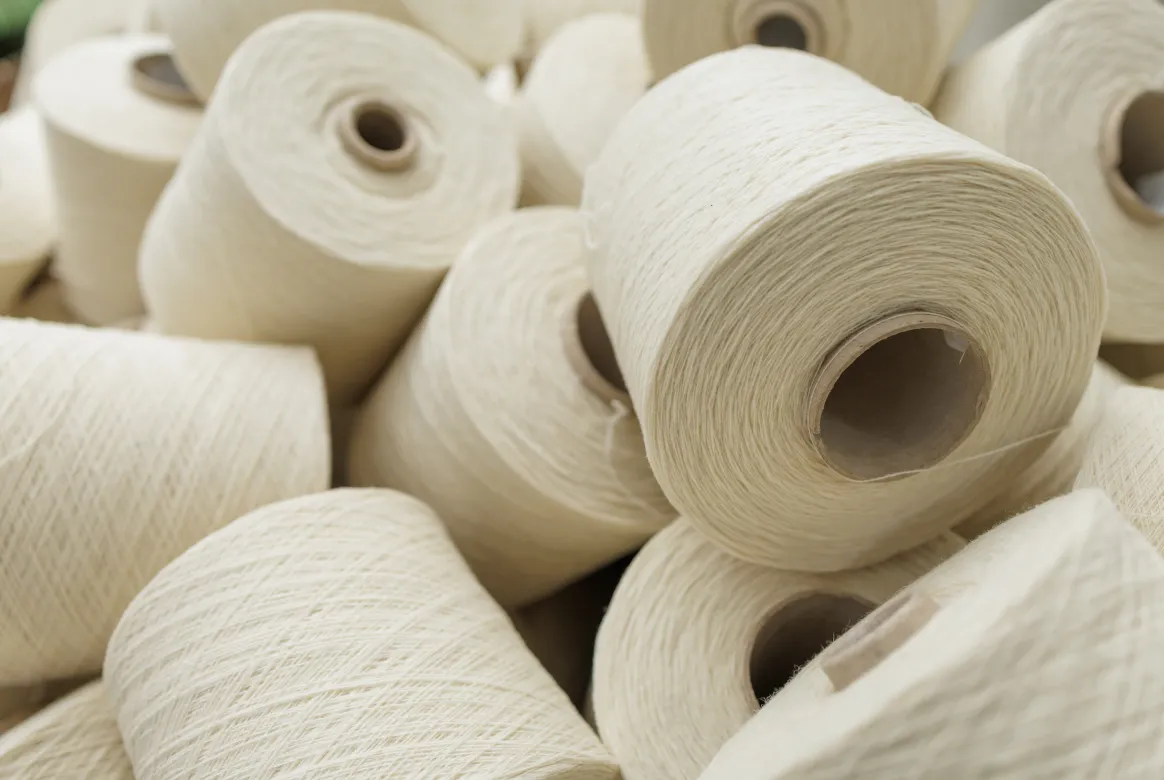
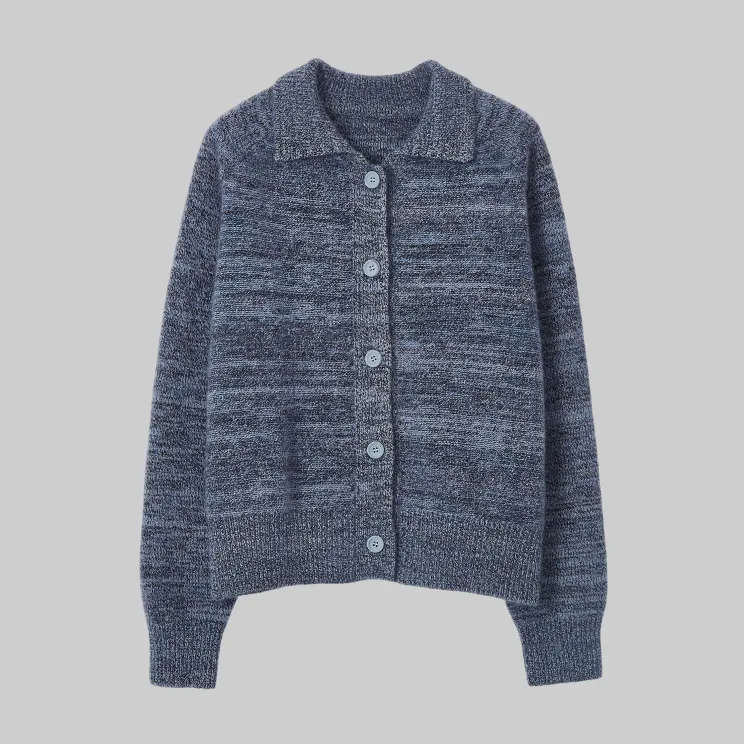
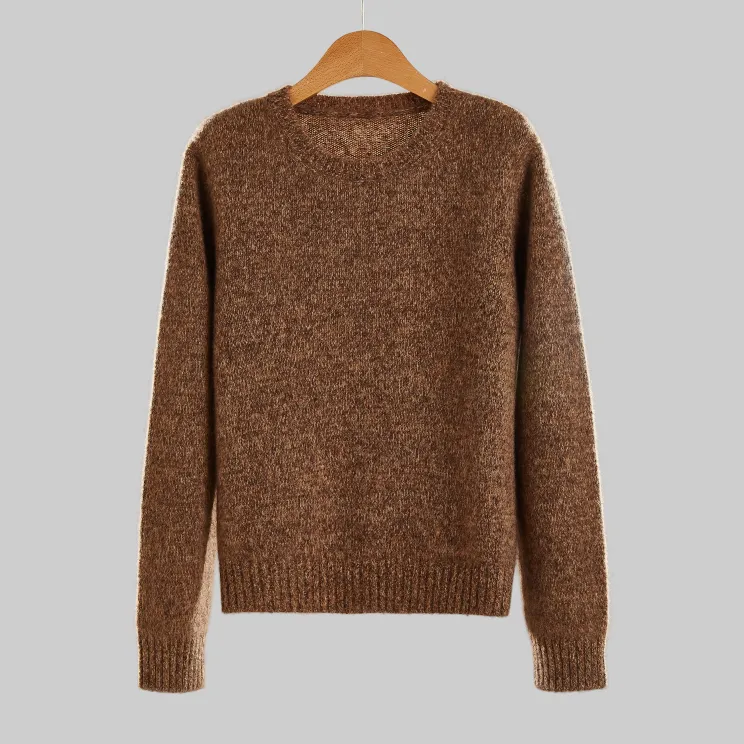
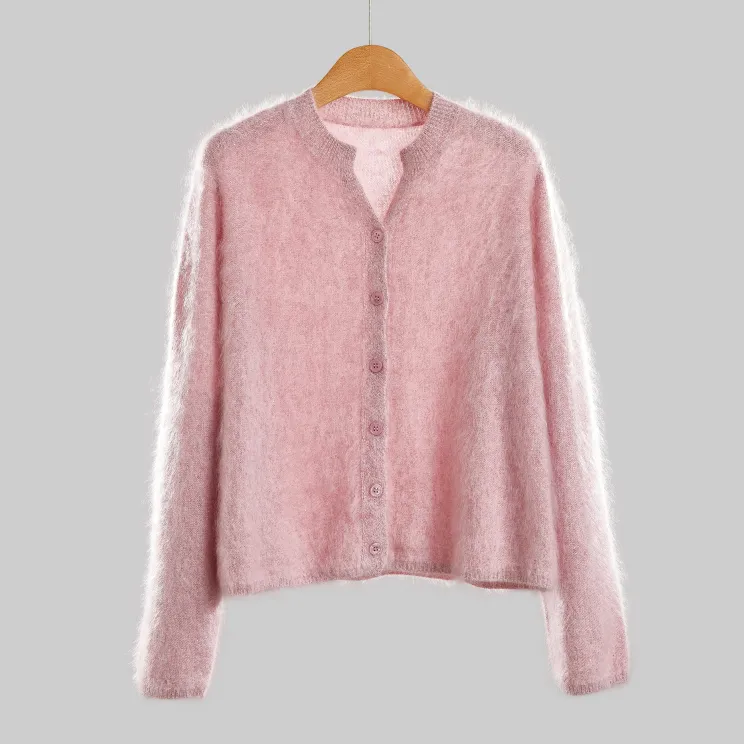
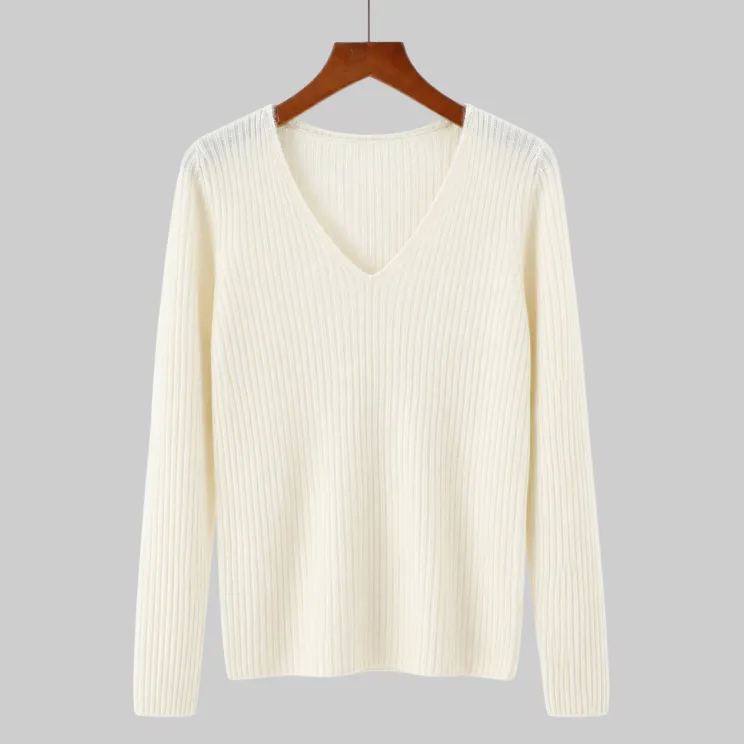
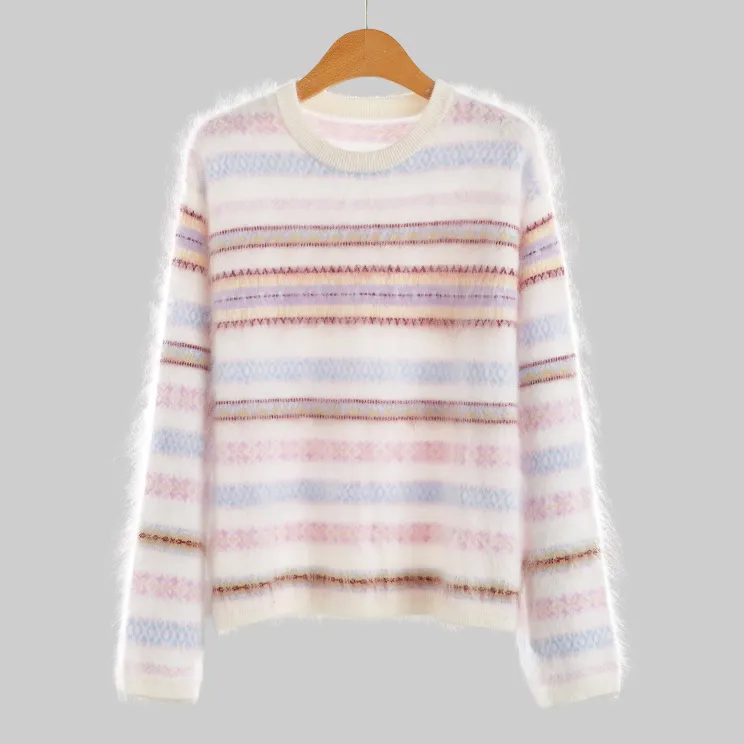
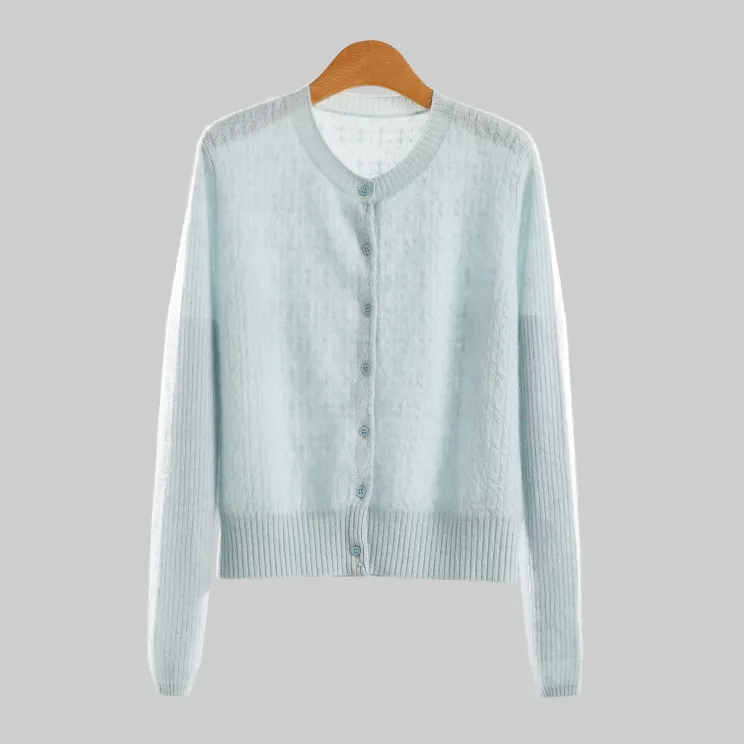
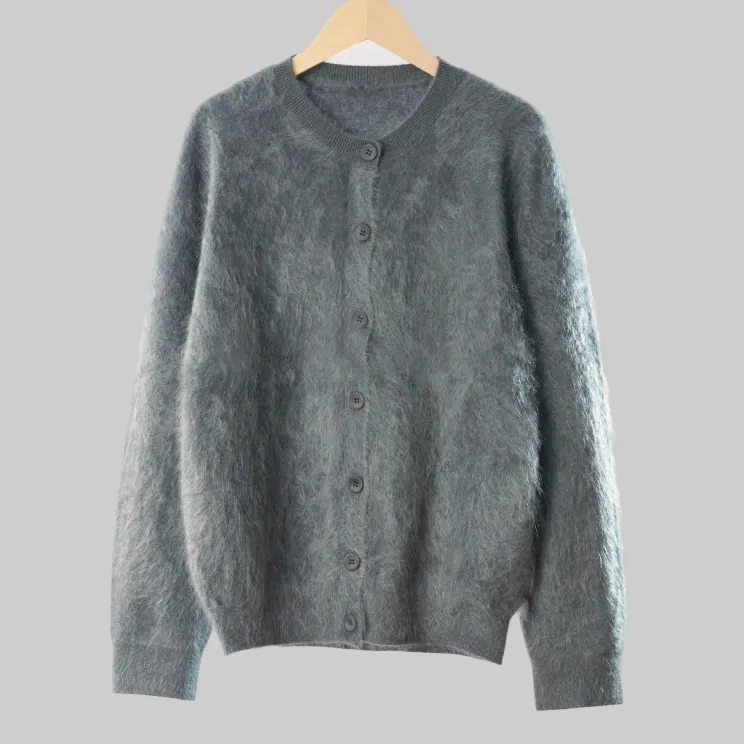
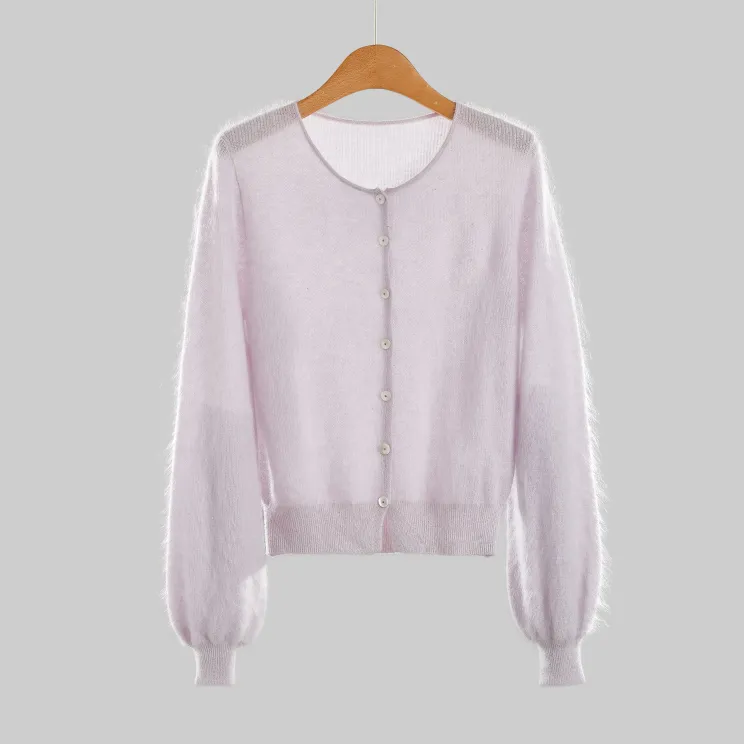
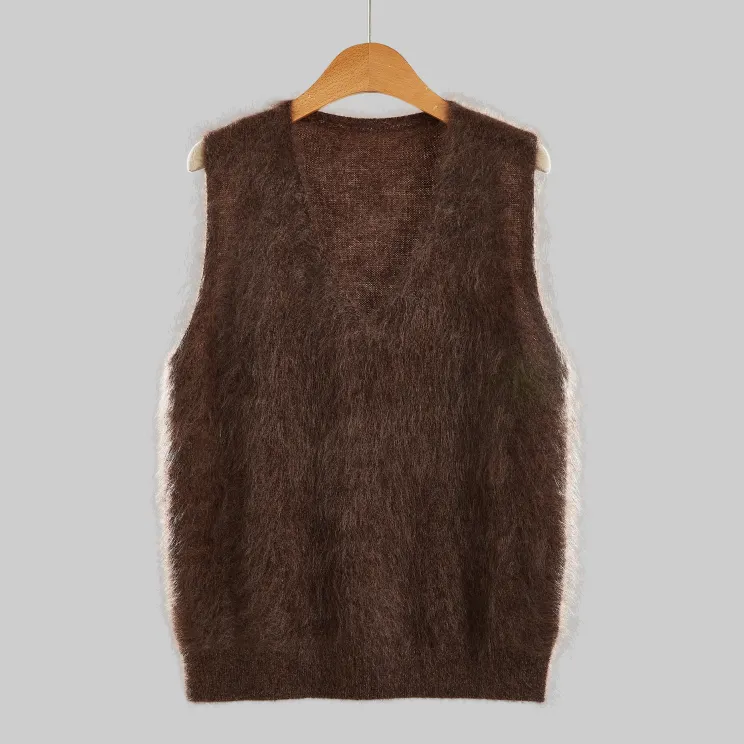
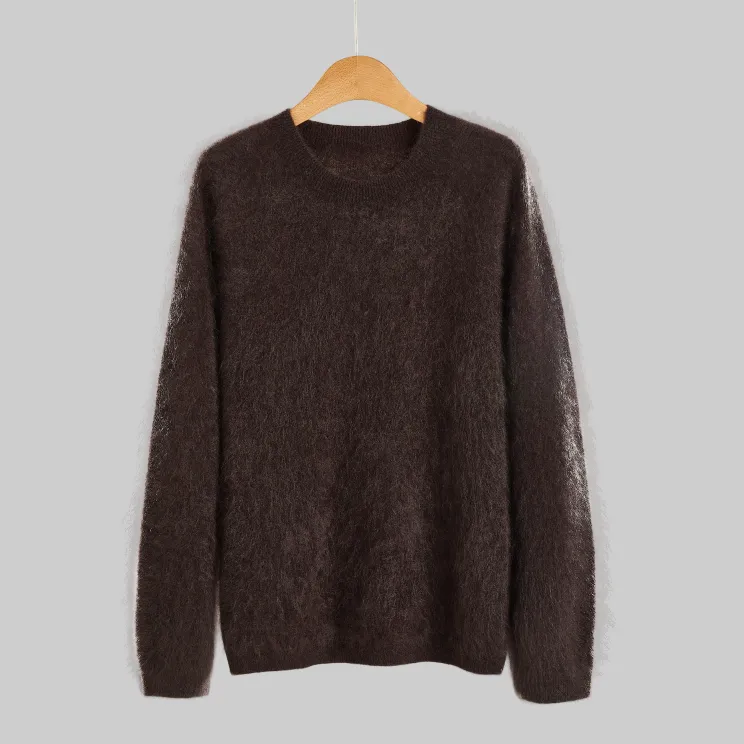
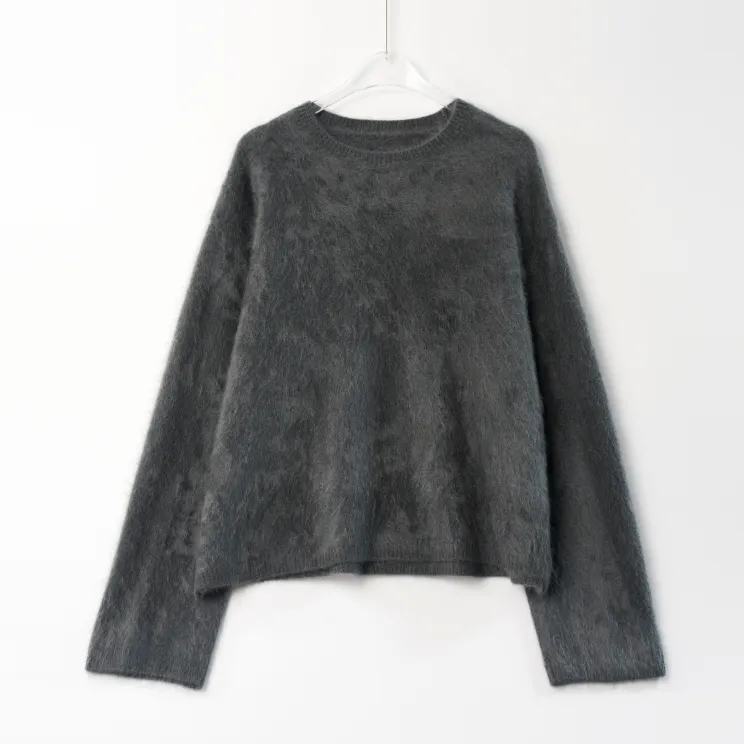
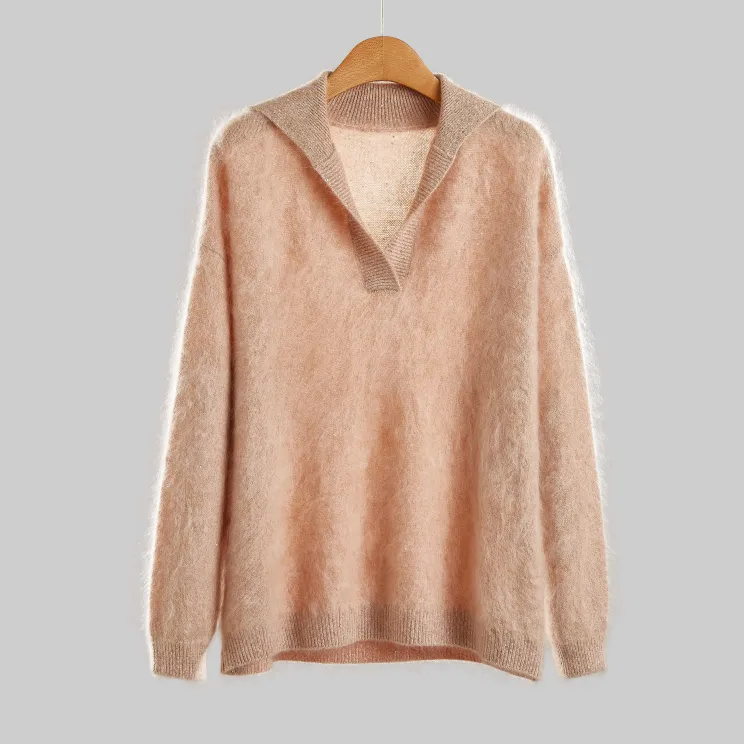
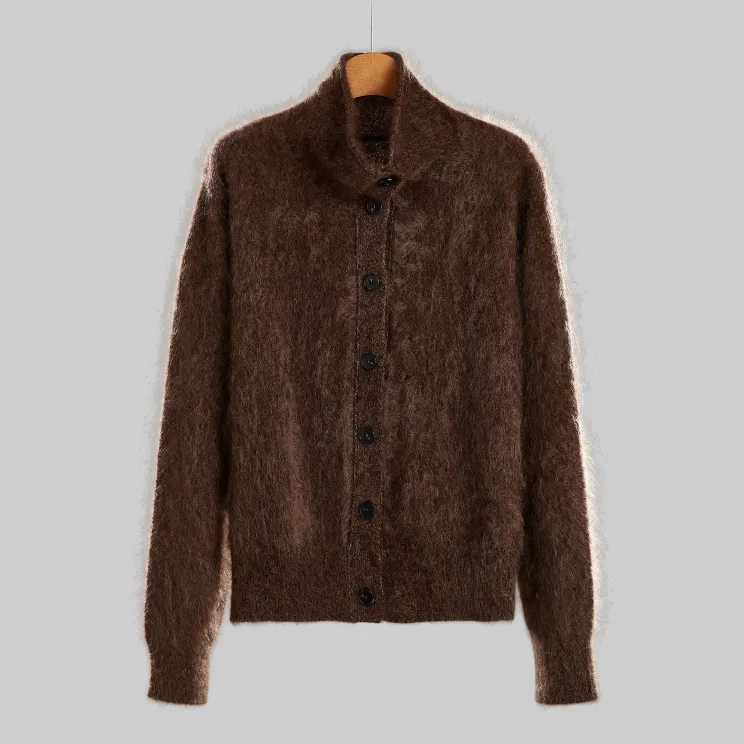
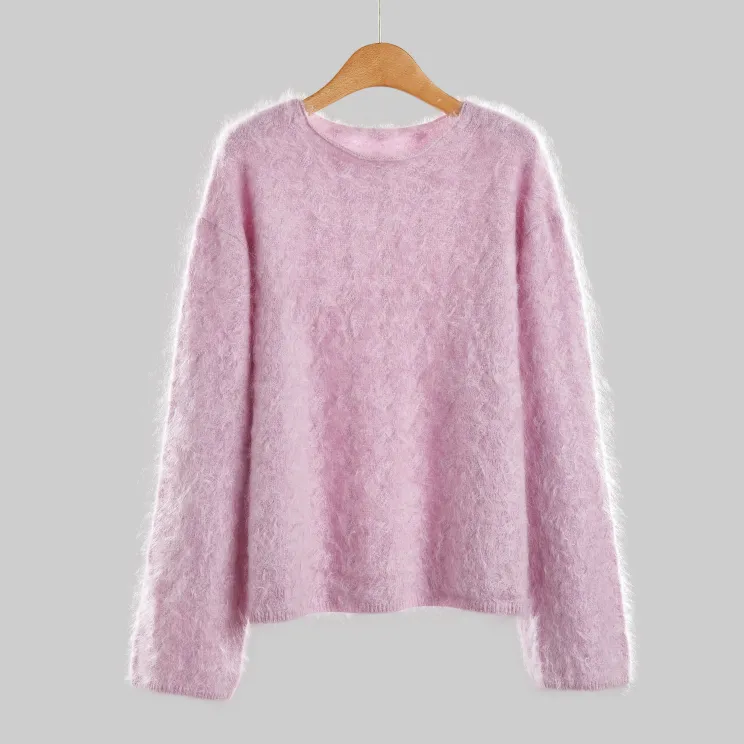
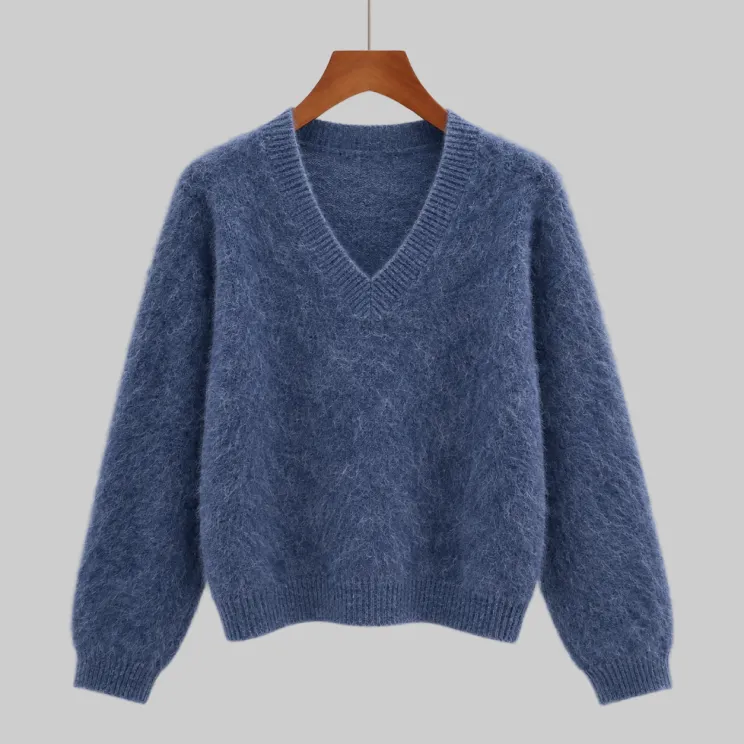
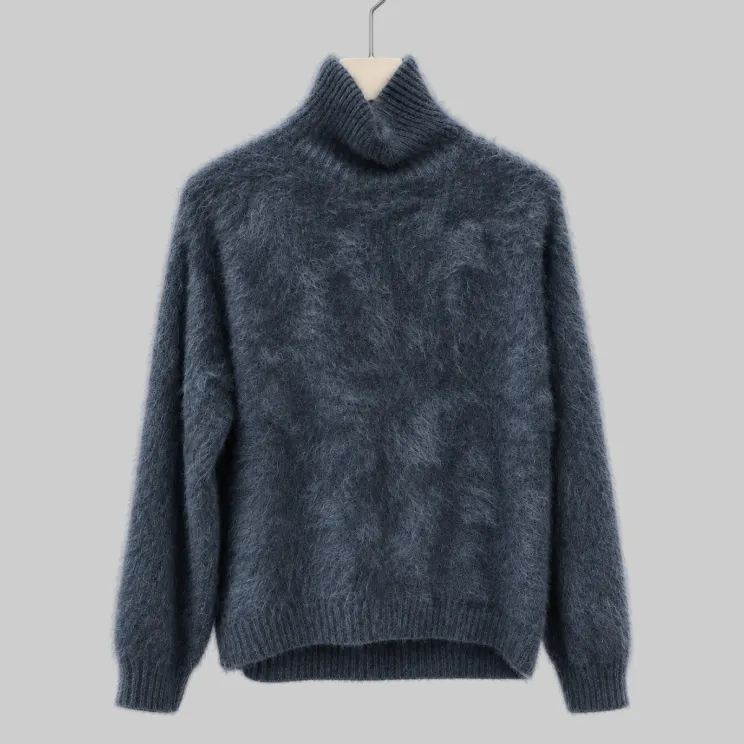
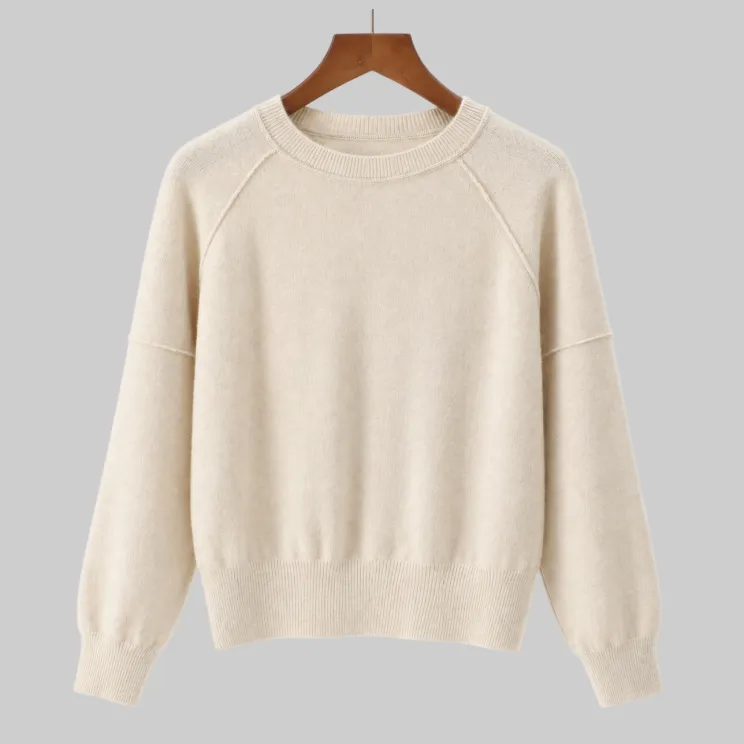
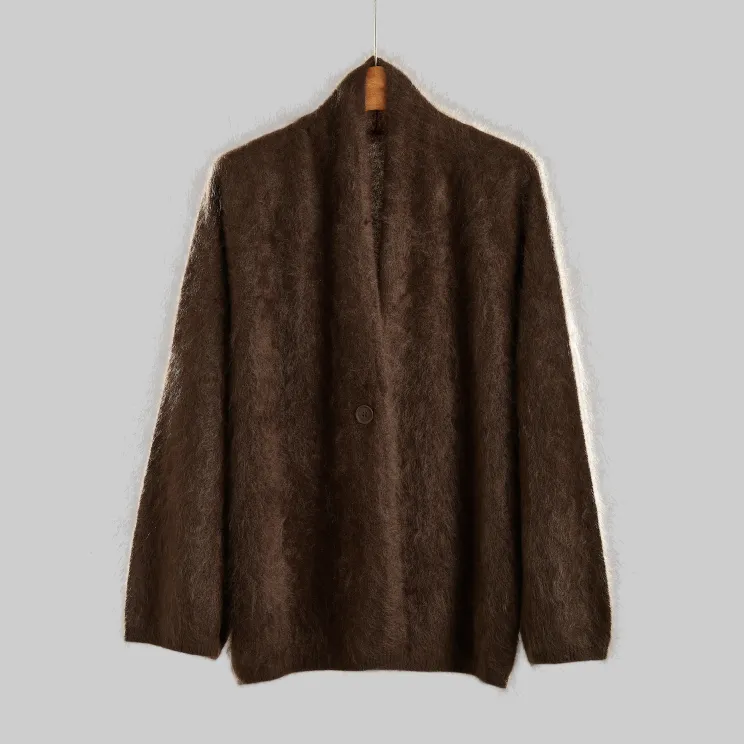
The engineering requirements for fine-gauge knitting are unforgiving. Lightweight trans-seasonal garments, such as fine womens cashmere pullovers or sophisticated cashmere cardigans, demand flawless yarn continuity. A 2/48Nm or 2/60Nm worsted yarn run on a 14GG machine will snap instantly if tension dials are improperly calibrated or if the yarn contains short-staple weak points. Consequently, production lead times during this changeover period typically extend by 10 to 14 days as technical teams perform necessary maintenance and run pilot panels to verify stitch density and relaxation shrinkage parameters before bulk manufacturing commences.
Procurement teams planning Spring 2027 deliveries must lock their gauge specifications and yarn counts immediately. Delaying tech pack submission until November forces brands to compete for limited fine-gauge machine hours, often pushing ex-factory dates past the critical February shipment windows needed for spring retail launches.
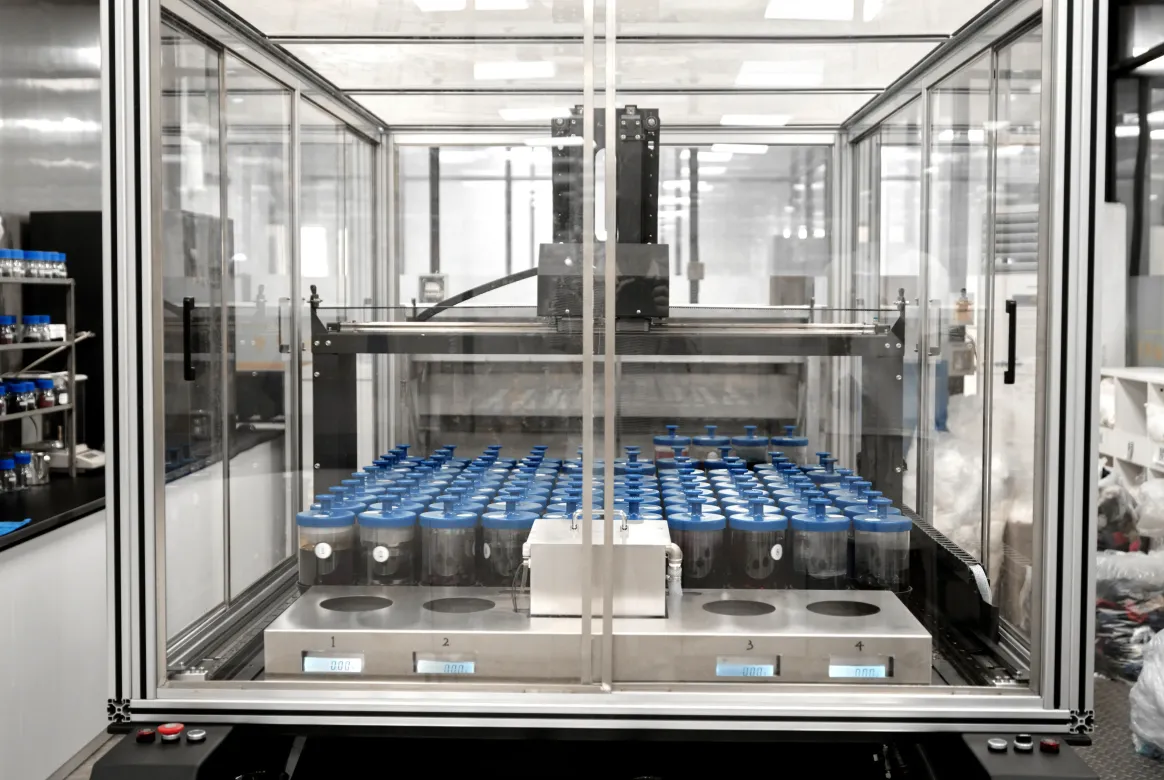
2. ZDHC MRSL v3.1 Compliance in Cashmere Dyehouse Operations
Chemical compliance has shifted from a peripheral sustainability initiative to a hard contractual requirement for accessing European and North American retail markets. The implementation of the Zero Discharge of Hazardous Chemicals (ZDHC) Manufacturing Restricted Substances List (MRSL) Version 3.1 is currently forcing dyehouses to eliminate legacy auxiliaries and fixatives.
Cashmere is a protein fiber composed primarily of keratin. It is highly susceptible to alkaline damage and extreme thermal stress. Historically, achieving deep, saturated colors like navy or black on 100 percent cashmere required boiling the fiber with heavy-metal complex dyes to force pigment penetration into the cuticular scales. Under ZDHC v3.1, strict limits on extractable heavy metals (such as chromium and cobalt) and total bans on Alkylphenol Ethoxylates (APEOs) used in scouring agents mean dyehouses must adopt advanced low-temperature dyeing technologies and biodegradable leveling agents.
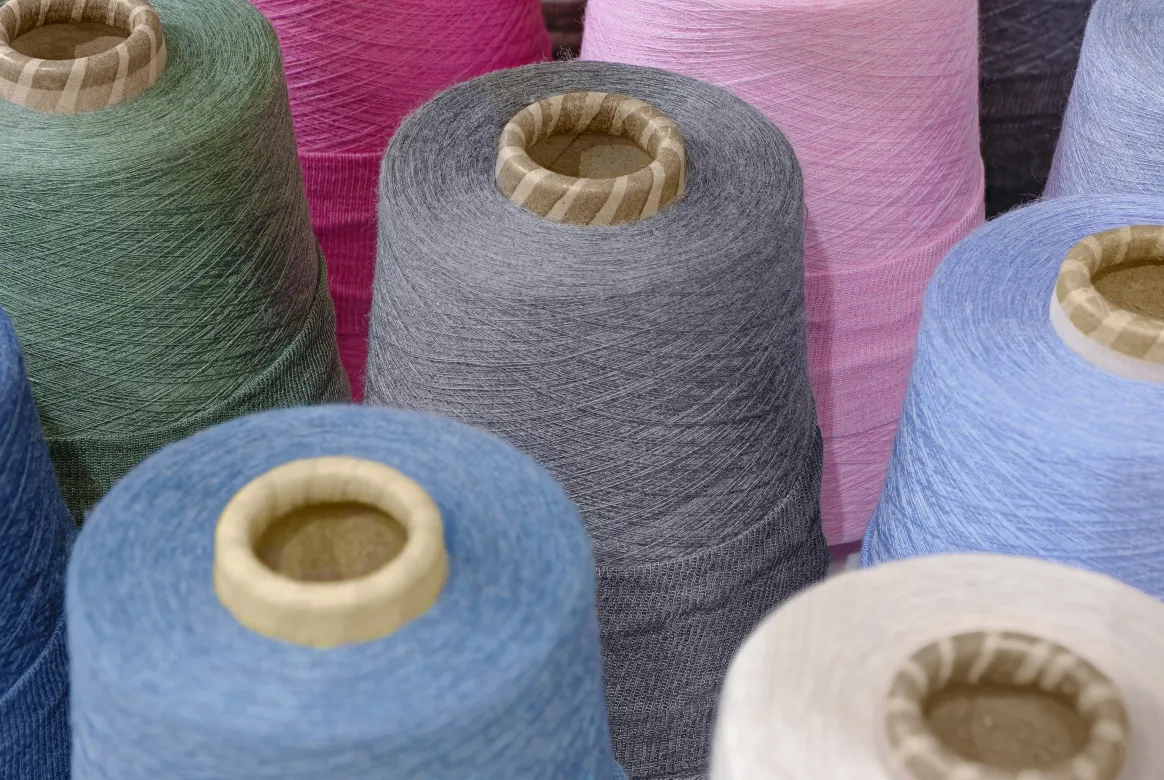
For B2B buyers, this regulatory shift directly impacts color matching timelines and lab-dip approvals. Eco-compliant reactive and acid dyes interact differently with raw cashmere, occasionally requiring longer exhaustion phases in the dye vat. Brands developing custom cashmere programs must account for an additional five to seven days in their critical path for color formulation and third-party restricted substance testing (RSL) before bulk yarn dyeing is authorized.
3. Accelerated Cross-Border B2B Logistics: 9710 and 9810 Customs Protocols
As the holiday logistics crunch begins, sea freight capacity tightens and port dwell times increase. However, structural improvements in Chinese export customs procedures are providing significant relief for registered B2B buyers. The widespread implementation of specific cross-border e-commerce and direct B2B export regulatory codes—specifically the 9710 (B2B direct export) and 9810 (export to overseas warehouses) frameworks—has streamlined container clearance in major logistics hubs like Zhejiang and Shanghai.
Under these modernized protocols, integrated manufacturers utilizing standardized DXPID data transmission and IC card enterprise filings can process bulk export declarations digitally, often clearing customs within hours rather than days. For global procurement teams managing multi-container shipments of cashmere knitwear, partnering with suppliers who hold advanced AEO (Authorized Economic Operator) status and utilize these 9710/9810 declaration pathways translates into quantifiable lead-time reductions. Goods move from the finishing facility to the vessel with minimal friction, protecting delivery dates against localized port congestion during the Q4 volume surge.
4. Biological Precursors: Inner Mongolia Winter Climate and 2027 Yield Projections
While finished garments ship out, the raw material foundation for the 2027 production year is actively forming on the Mongolian plateau. Cashmere growth is a biological response to environmental stress. The Capra Hircus goat develops its ultra-fine undercoat to survive extreme temperature drops. Late October weather patterns in critical pastoral regions such as Alashan, Ordos, and Erbas are currently dictating the micron profile and total yield of the spring 2027 harvest.
Current meteorological data indicates a sharp, early onset of sub-zero temperatures across Inner Mongolia. A rapid temperature drop stimulates dense secondary hair follicle activity. While harsh winters pose survival challenges for the herds, they structurally improve the fineness and length of the resulting down. If current thermal trends hold through January, the industry anticipates a strong yield of premium long-staple fiber (measuring 36mm to 38mm with micron counts holding firmly below 15.5µm). This early physiological trigger is a positive indicator for brands planning high-specification fine-gauge cashmere yarn programs for late 2027, as the necessary raw material baseline appears secure.
5. The Rise of High-Performance Cashmere Blends
A secondary trend solidifying in late October procurement data is the strategic shift toward premium natural blends to mitigate cost without sacrificing hand-feel. As macroeconomic pressures influence mid-market retail margins, sourcing directors are increasingly specifying silk cashmere blend and fine cashmere wool blend constructions.
Silk filaments add exceptional tensile strength and subtle luster, making them ideal for ultra-lightweight 16GG summer knitwear. Extrafine Merino wool (19.5 microns or below) blended with cashmere offers superior structural memory for heavily cabled designs while maintaining a luxurious tactile profile. Engineering these blends requires precise tension control during spinning to ensure the distinct fibers do not separate or pill unevenly under friction. B2B buyers should request strict ISO 12945-1 pilling test reports when substituting 100% cashmere with blended options to verify that the cost engineering does not compromise field performance.
6. Actionable Procurement Milestones for November 2026
To navigate the transition between Q4 winter fulfillment and Spring 2027 production, procurement teams must execute the following milestones before mid-November:
- Finalize Spring Tech Packs: Submit all digital tech packs with locked gauge, stitch structure, and yarn count specifications to secure 12GG and 14GG machine capacity.
- Approve Eco-Compliant Lab Dips: Ensure all color standards are matched using ZDHC MRSL v3.1 compliant dyestuffs, and allocate adequate time for lab validation.
- Verify Logistics Routing: Confirm that your manufacturing partner utilizes expedited B2B export customs channels (such as 9710 declarations) to bypass Q4 port congestion.
- Secure Raw Material Allocation: For late 2027 programs requiring premium long-staple fiber, begin discussions on fiber lock agreements based on current winter climate yield projections.
Precision execution during this operational window separates resilient supply chains from reactive ones. Zhejiang Dingchuang Cashmere integrates spinning, knitting, and advanced wet finishing within a unified, compliant ecosystem, leveraging expedited export logistics from our Zhejiang base. Contact our technical team today to finalize your upcoming production schedules and secure dedicated machine capacity.
-

Dingchuang Textile Technical Team
Cashmere Sourcing & Knitwear Specialists, Dingchuang Cashmere
Authored by the technical specialists at Zhejiang Dingchuang Cashmere Co., Ltd. Founded in 2013 in Tongxiang, our team oversees integrated supply chain operations from raw goat cashmere collection and in-house mechanical dehairing to precision computerized knitting and specialty wet finishing, providing actionable manufacturing guidance for global apparel brands and designers.