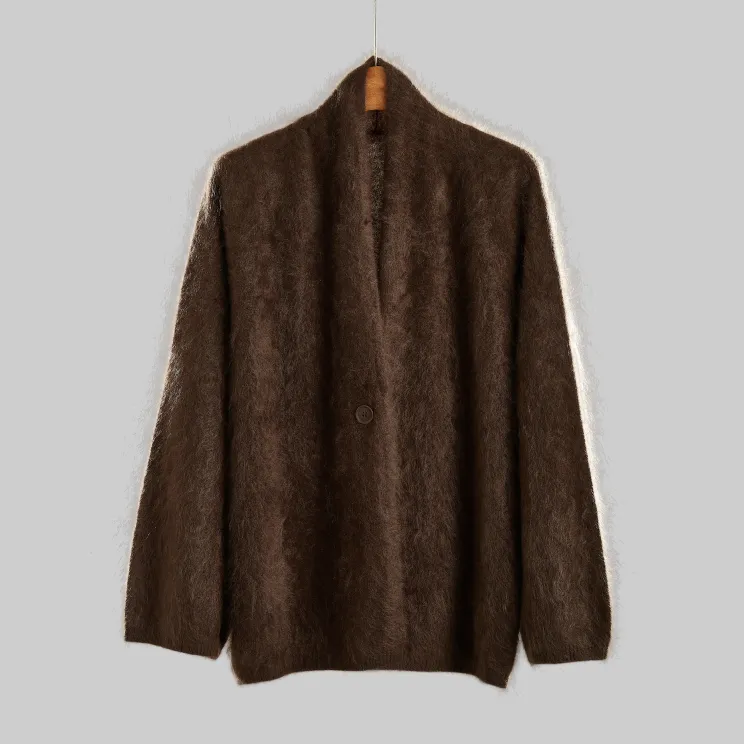


EU Textile Passport Guidelines Demand Upstream Traceability for Luxury Knitwear
In mid-September 2026, European trade regulators published updated technical guidance for the Digital Product Passport (DPP) under the Ecodesign for Sustainable Products Regulation (ESPR). The framework requires luxury fashion labels and importers to verify the chain of custody for animal protein fibers entering the EU market. For international cashmere buyers, generic certificates of origin are no longer sufficient. Importers must now provide documented proof linking finished apparel directly back to mechanical dehairing and raw fiber collection lots.
Why Upstream Verification Matters for Cashmere
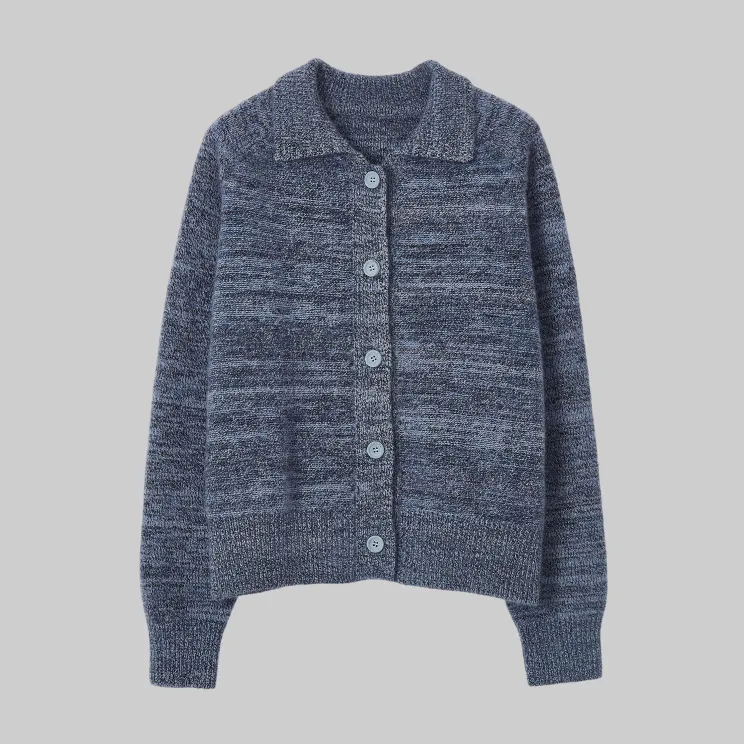
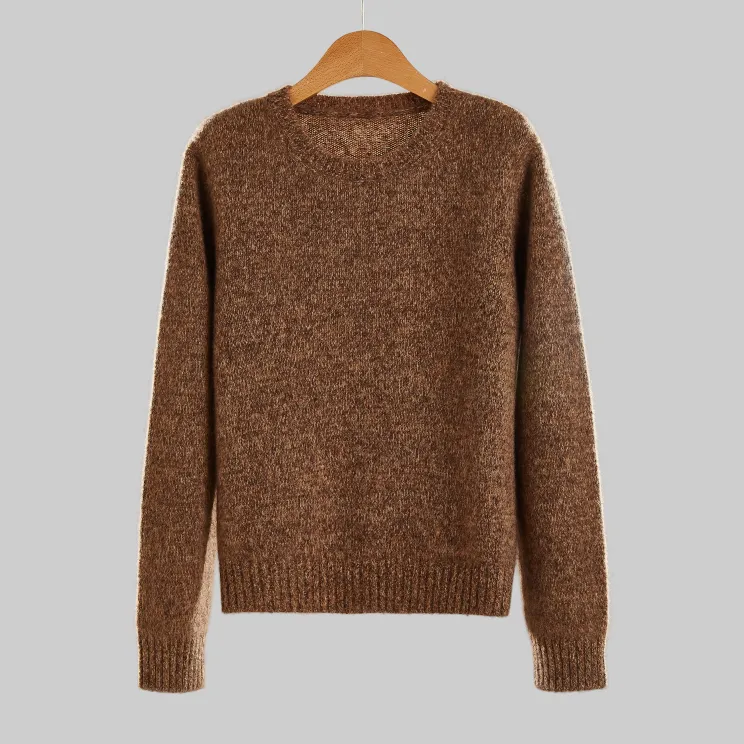
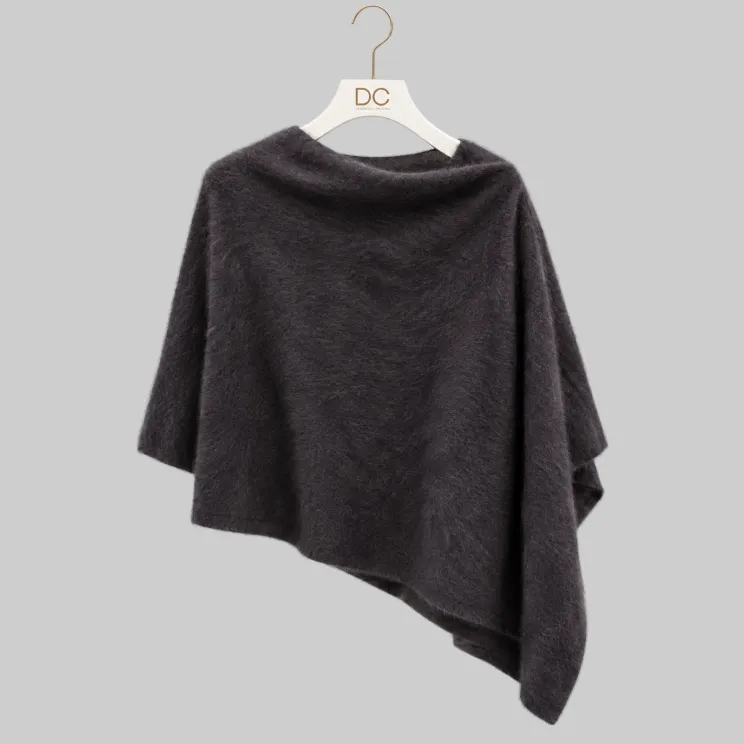
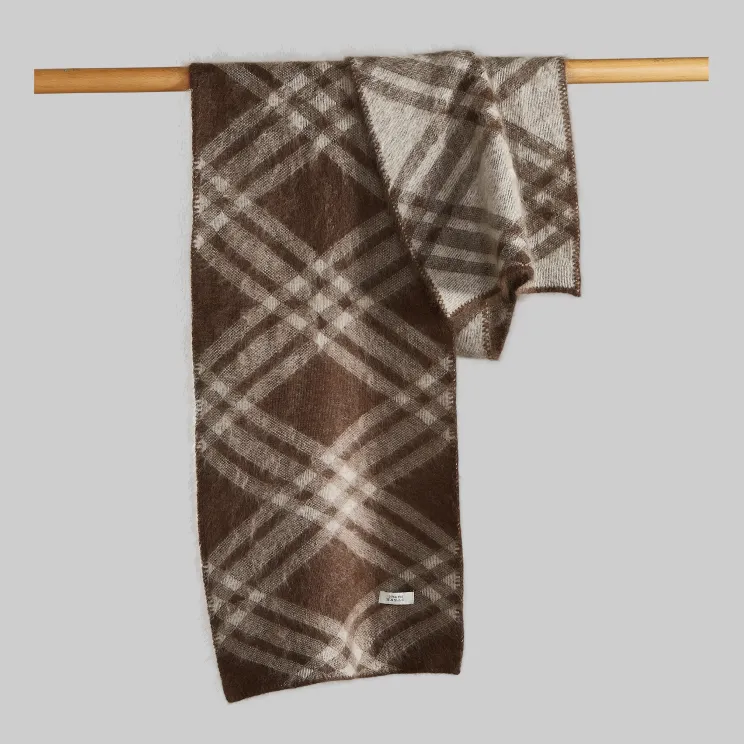
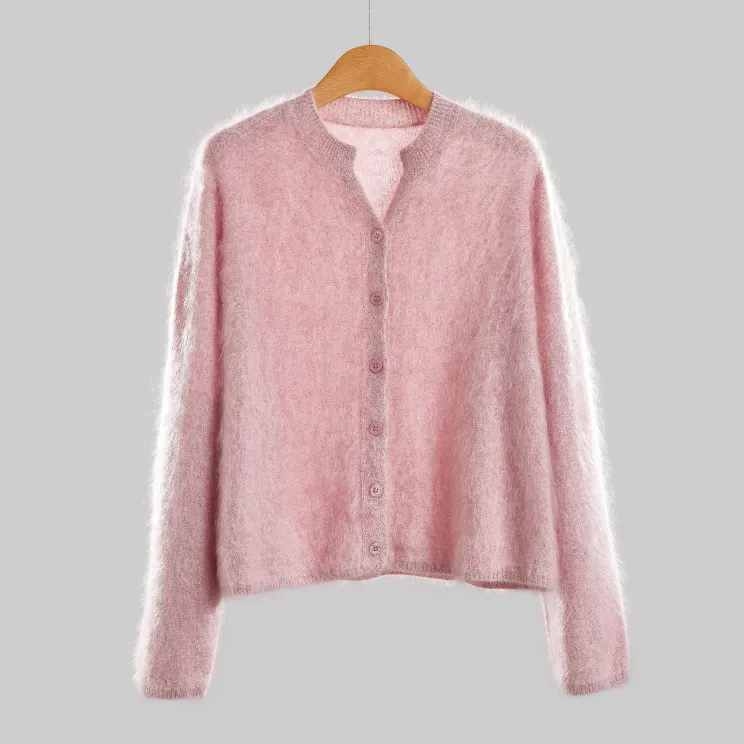
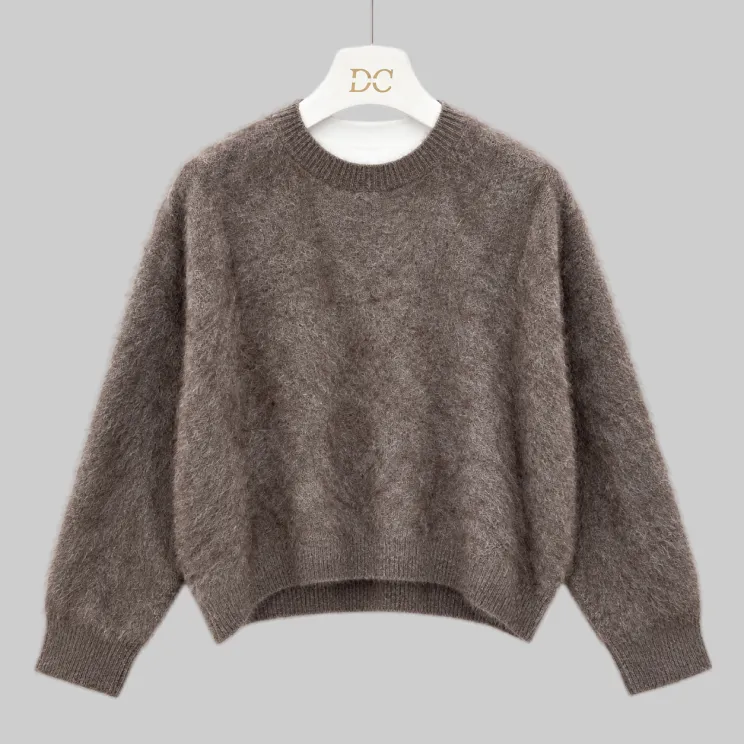
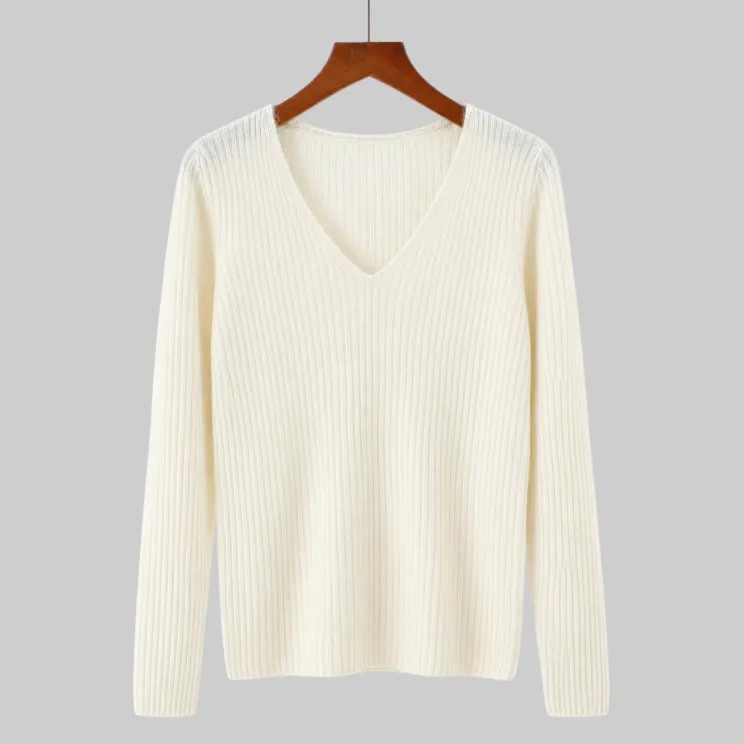
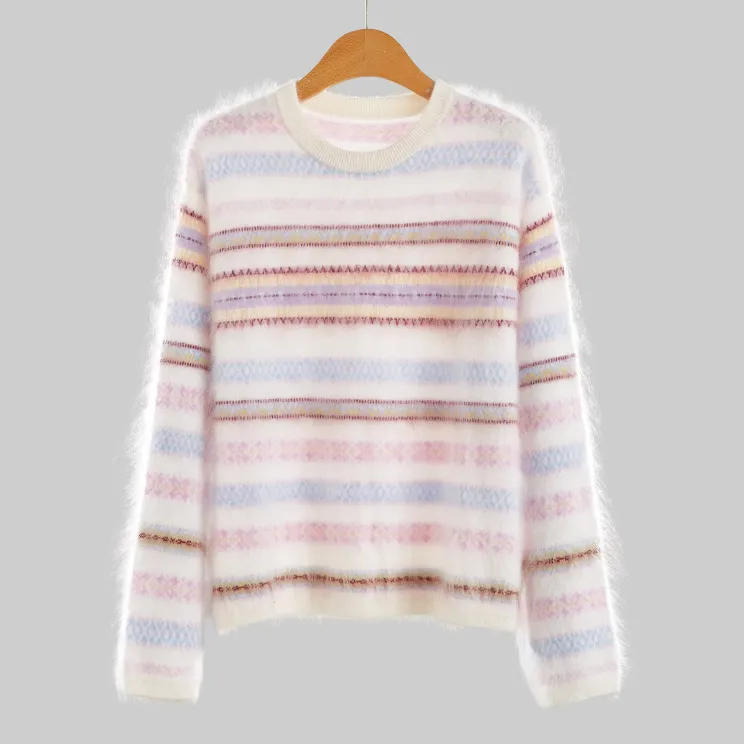
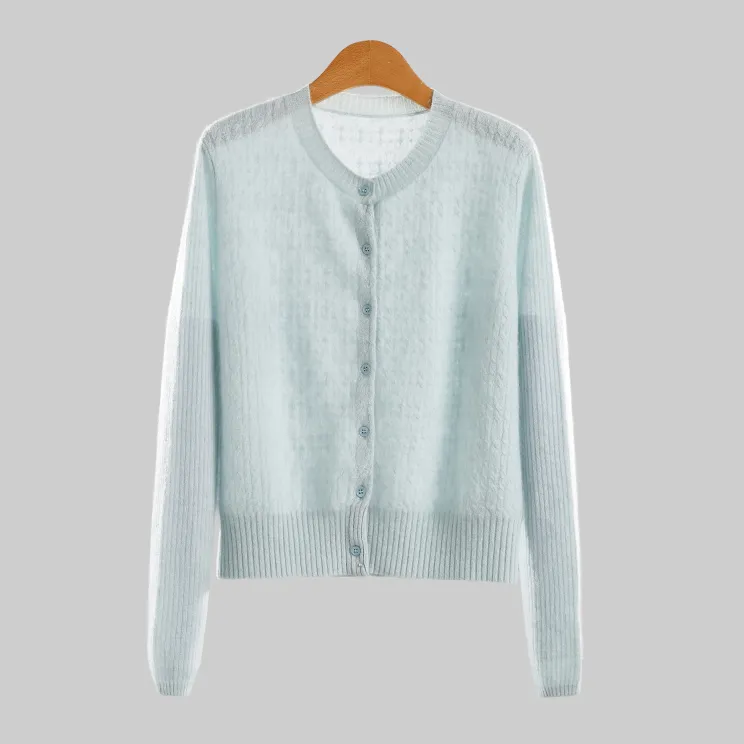
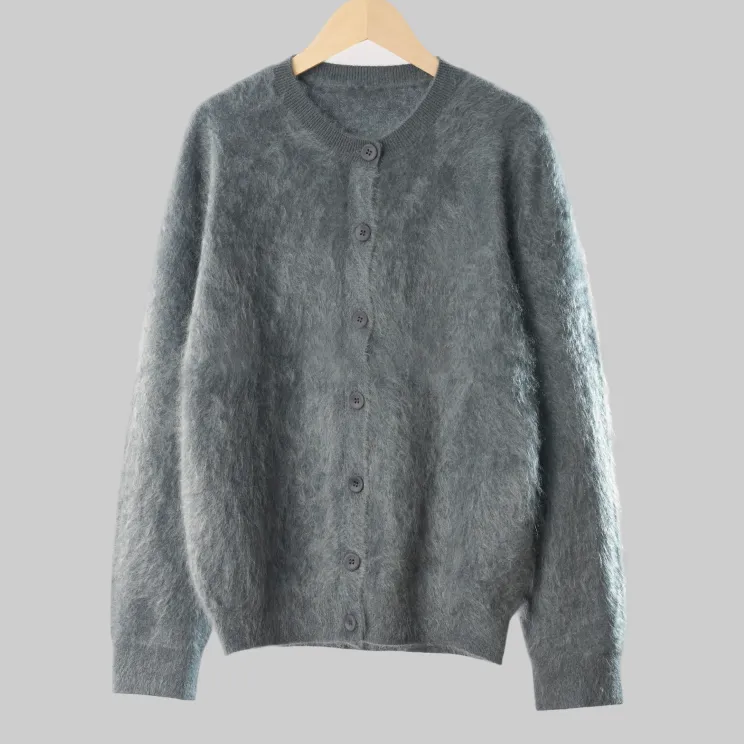
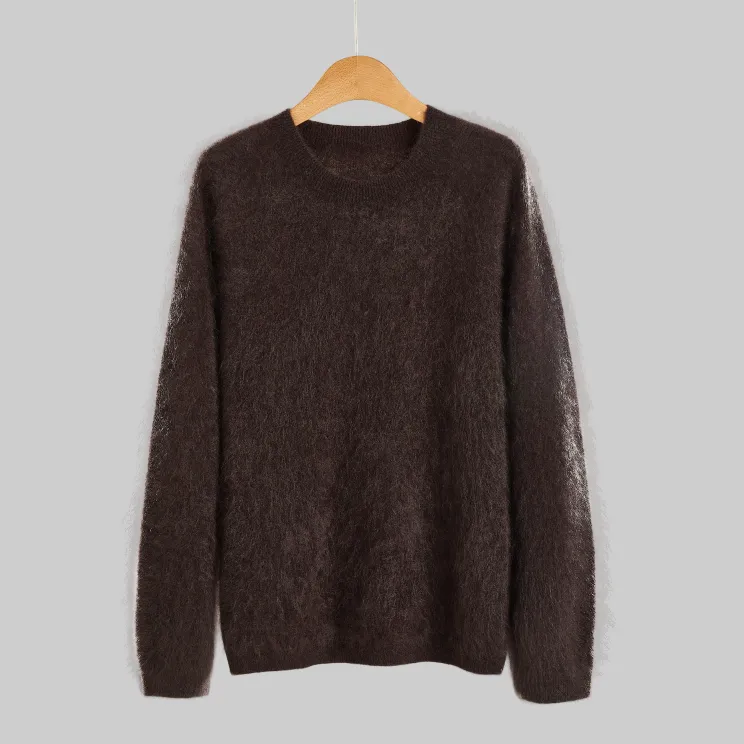
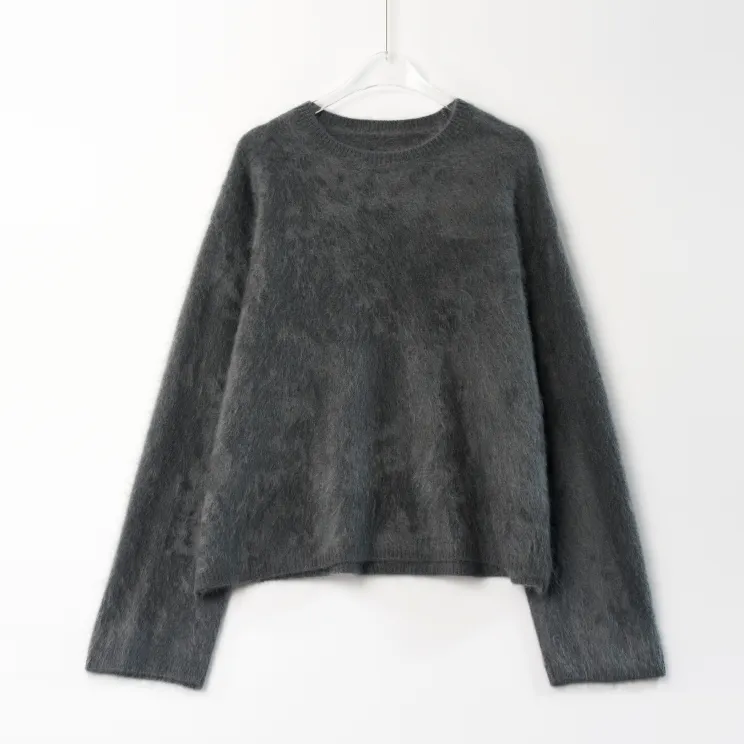
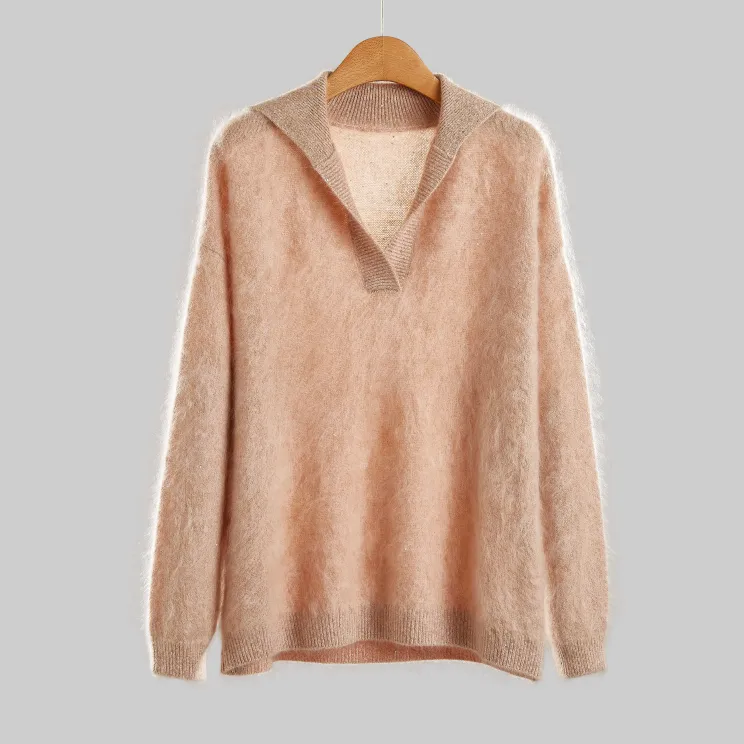
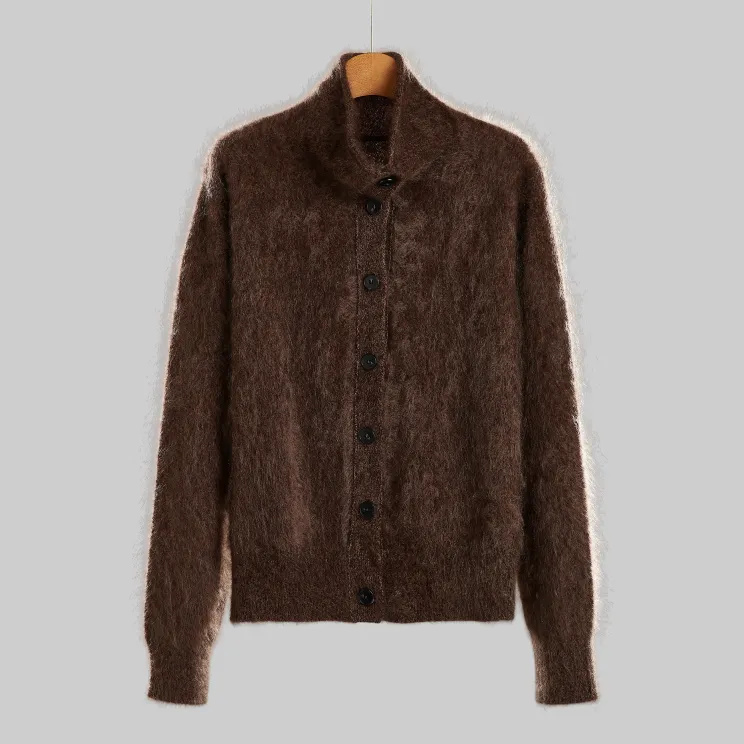
The updated rules target fiber adulteration and false labeling. With laboratory audits identifying recycled synthetics and substandard short fibers across global retail shelves, customs authorities are stepping up spot testing. Brands sourcing custom cashmere knitwear must document specific physical fiber properties, including staple length verification and microscopic purity tests, before garments clear European ports.
Key Compliance Checks for Autumn/Winter Procurement
Procurement teams preparing seasonal production orders need to confirm three core verification steps with their manufacturing partners:
- Fiber Custody Documentation: Transaction records must track raw down directly from pastoral sorting cooperatives through the mechanical dehairing phase.
- Technical Parameter Authentication: Fiber lots must maintain verified staple length records (such as 36–38mm long-staple standards) to ensure pilling resistance and structural longevity without heavy chemical coatings.
- Tier-Two Process Mapping: Dyeing formulations, spun cashmere yarn lots, and knitting tension parameters must correspond to specific batch IDs.
How Integrated Supply Chains Reduce Audit Risks
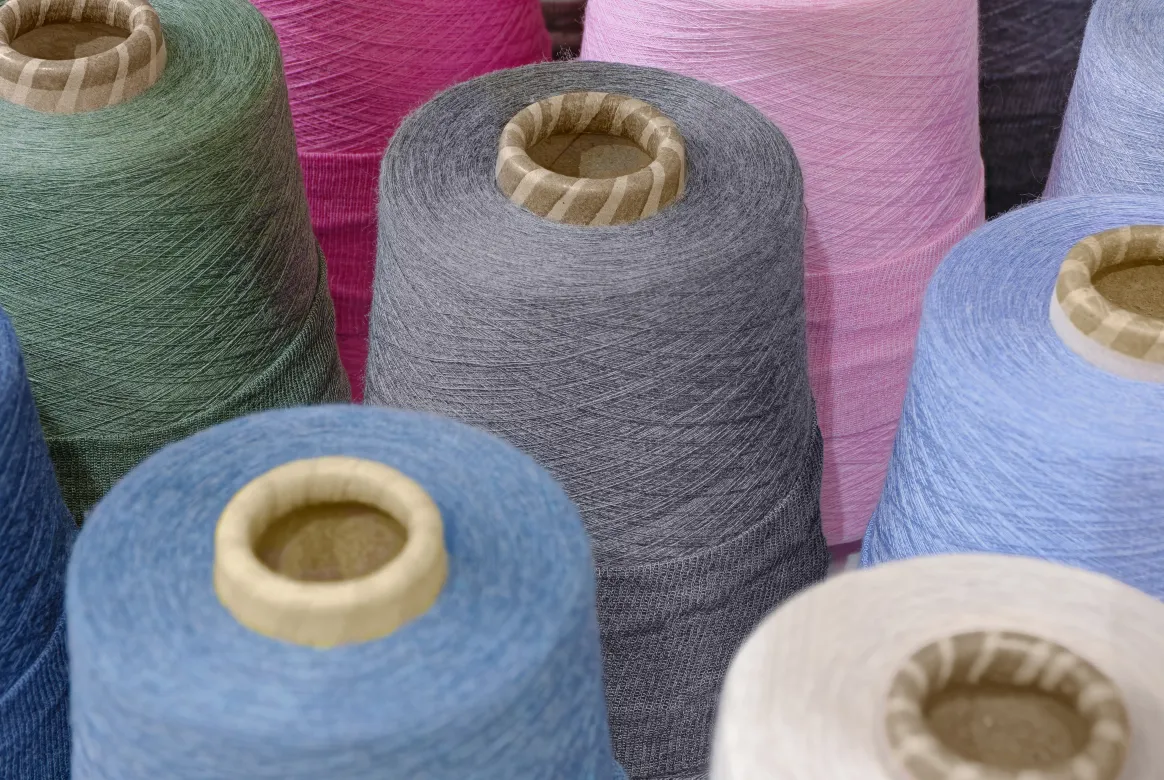
Trading brokers who purchase open-market spun yarn often struggle to produce upstream audit trails. When customs authorities request batch-level fiber testing reports, fragmented broker networks cause costly shipment delays. In contrast, an integrated supply model—where raw goat cashmere collection, manual sorting, and mechanical dehairing are managed in-house—provides verifiable batch documentation from day one. Partnering with specialized spinning, dyeing, and knitting facilities under standardized quality management ensures that every bulk order complies with both local textile safety standards and overseas customs mandates.
Sources
- EUR-Lex: Regulation (EU) 2024/1781 on Ecodesign for Sustainable Products (ESPR)
- Textile Exchange: Standards and Animal Fiber Traceability Guidelines
- OEKO-TEX: International Textile Testing and Sustainable Certification Standards
-

Dingchuang Textile Technical Team
Cashmere Sourcing & Knitwear Specialists, Dingchuang Cashmere
Authored by the technical specialists at Zhejiang Dingchuang Cashmere Co., Ltd. Founded in 2013 in Tongxiang, our team oversees integrated supply chain operations from raw goat cashmere collection and in-house mechanical dehairing to precision computerized knitting and specialty wet finishing, providing actionable manufacturing guidance for global apparel brands and designers.