

Stricter Chemical Limits Reshape Luxury Knitwear Wet-Finishing Standards
In mid-September 2026, international textile compliance bodies updated testing criteria under OEKO-TEX Standard 100 and related restricted substance lists (RSL). The revisions mandate lower detection limits for alkylphenol ethoxylates (APEOs), fluorinated compounds, and harsh optical brighteners across luxury apparel. For fashion brands importing autumn and winter collections, wet finishing and garment washing processes are now subject to strict port audits. Compliance requires transparent chemistry from the initial yarn bath to final steam pressing.
Why Generic Milling Agents Fail New Audits
Traditional finishing formulas frequently used commercial surfactants to accelerate fabric softening. While effective at producing an immediate hand-feel, older detergents often leave chemical traces that fail current environmental inspections. Luxury knitwear manufacturers have transitioned to low-agitation, bio-enzyme milling solutions. These pH-neutral washes open the natural loft of cashmere fibers without damaging protein walls or depositing restricted residues.
Core Checkpoints for B2B Sourcing Compliance
When placing seasonal production orders for custom cashmere knitwear, procurement teams should review three technical items:
- Surfactant Certification: Washing facilities must use biodegradable detergents certified to OEKO-TEX Eco Passport or ZDHC conformance levels.
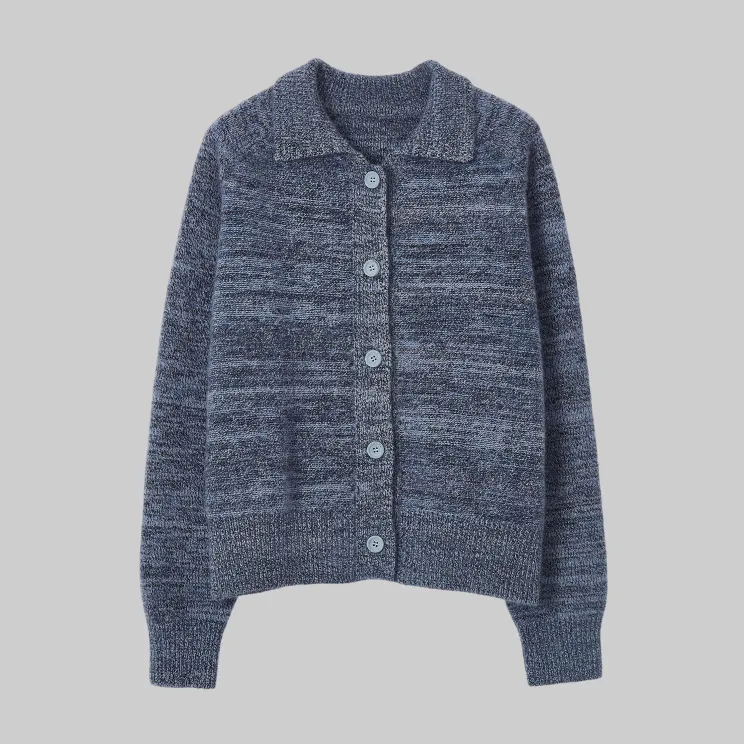
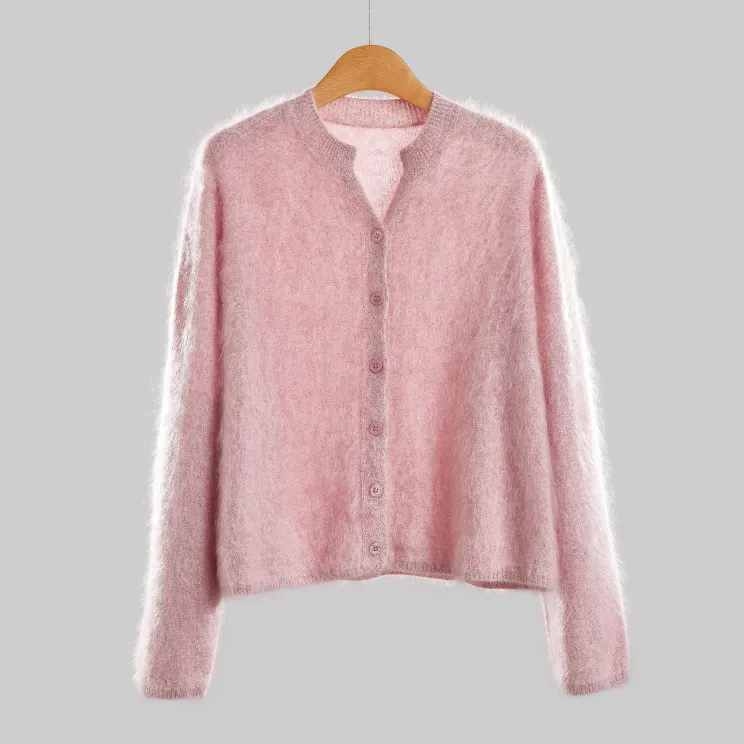
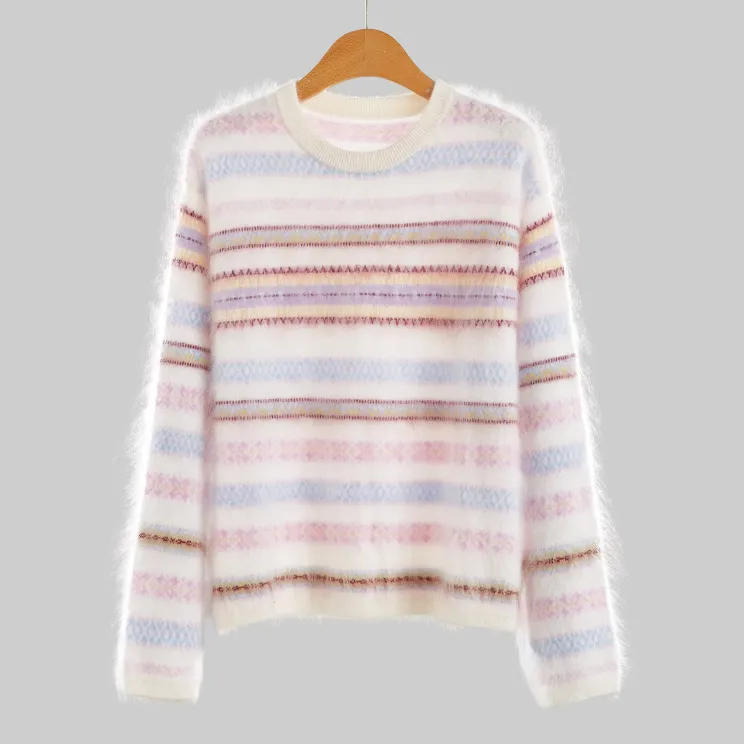
- Waterfastness and Bleed Resistance: Dyed yarns must achieve Grade 4 or higher colorfastness under ISO 105 testing, preventing color migration on two-tone cardigans and stripes.
- pH Equilibrium: Finished garments must test within a neutral pH window of 5.5 to 7.0, preventing skin irritation and fiber brittleness during shelf storage.
Balancing Environmental Compliance with Hand-Feel
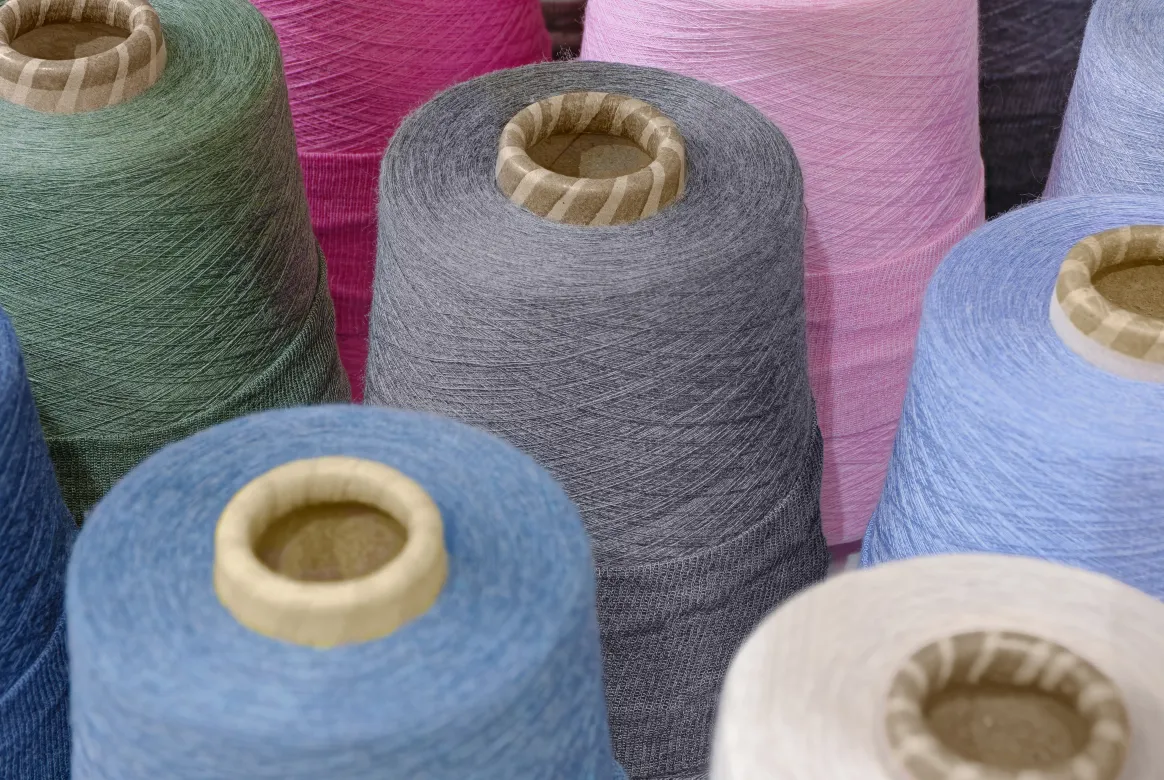
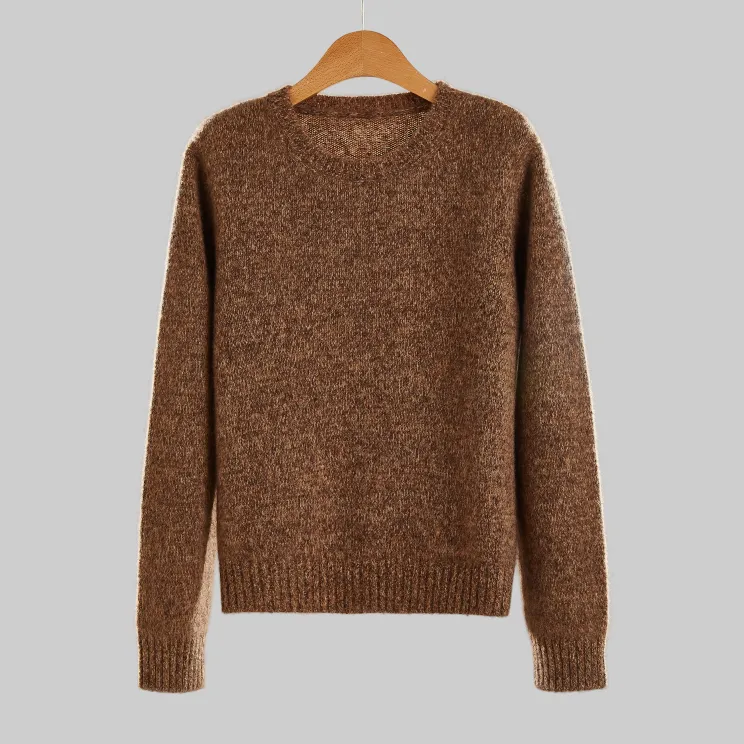
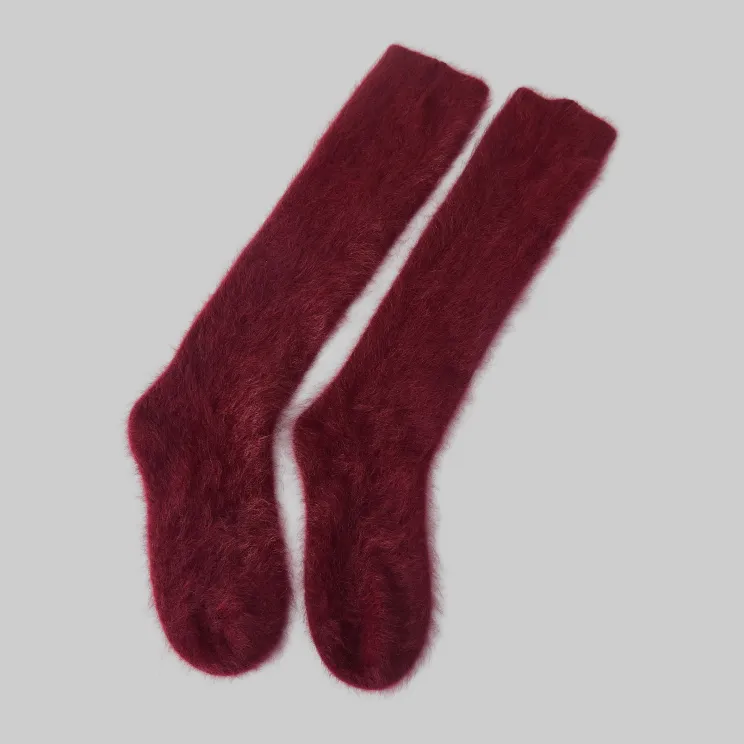
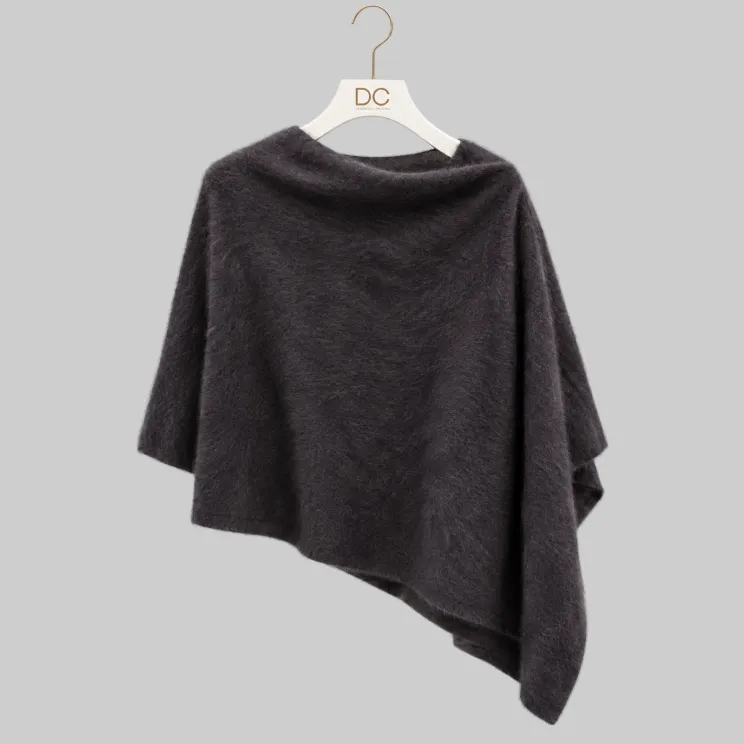
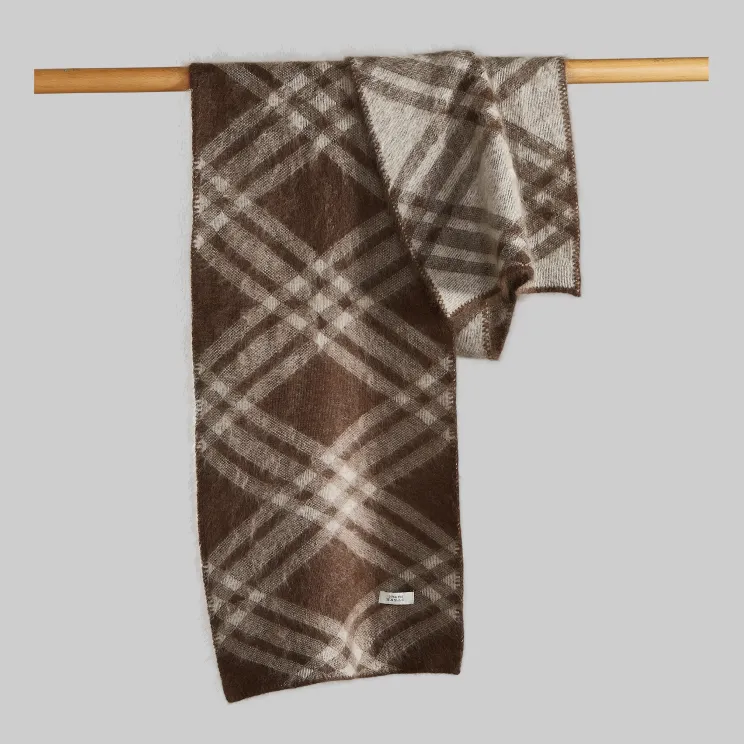
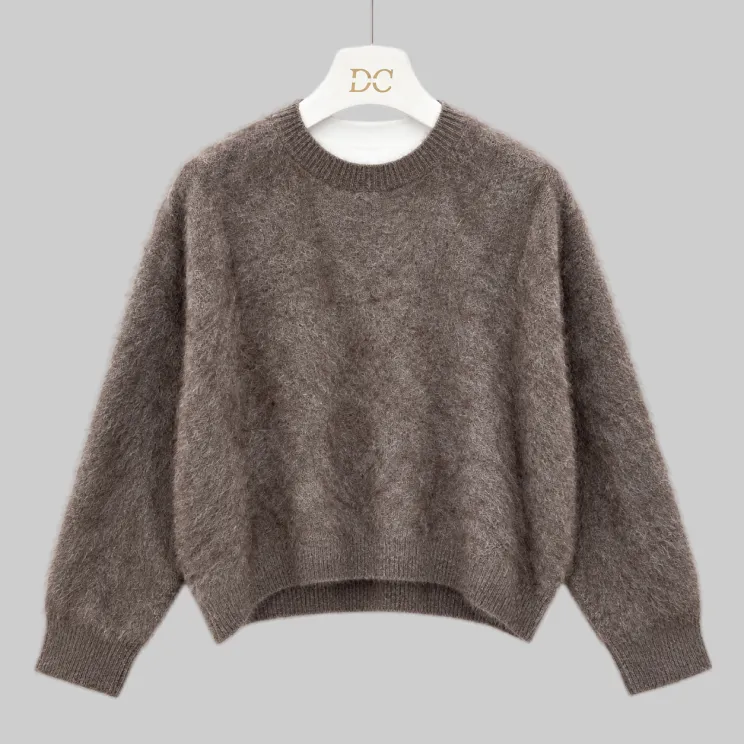
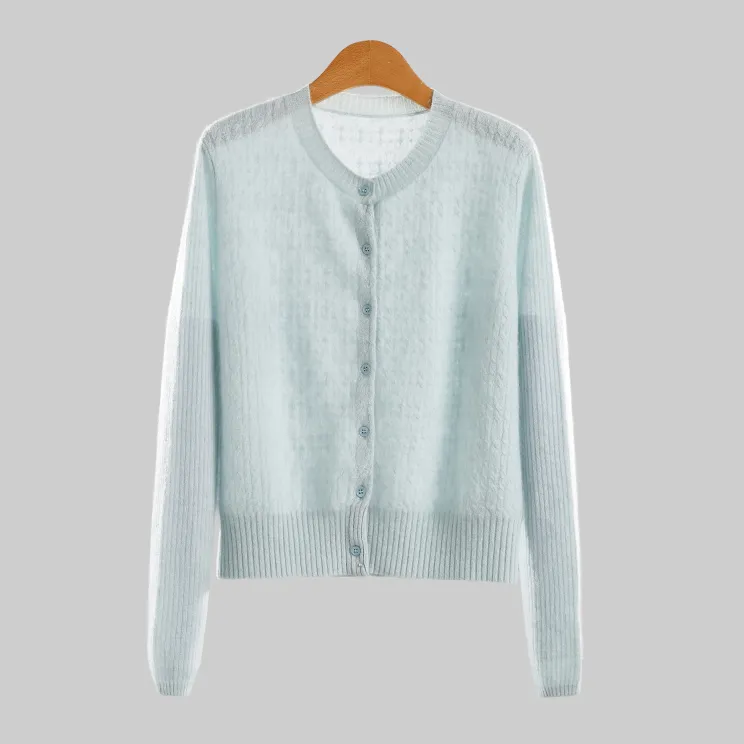
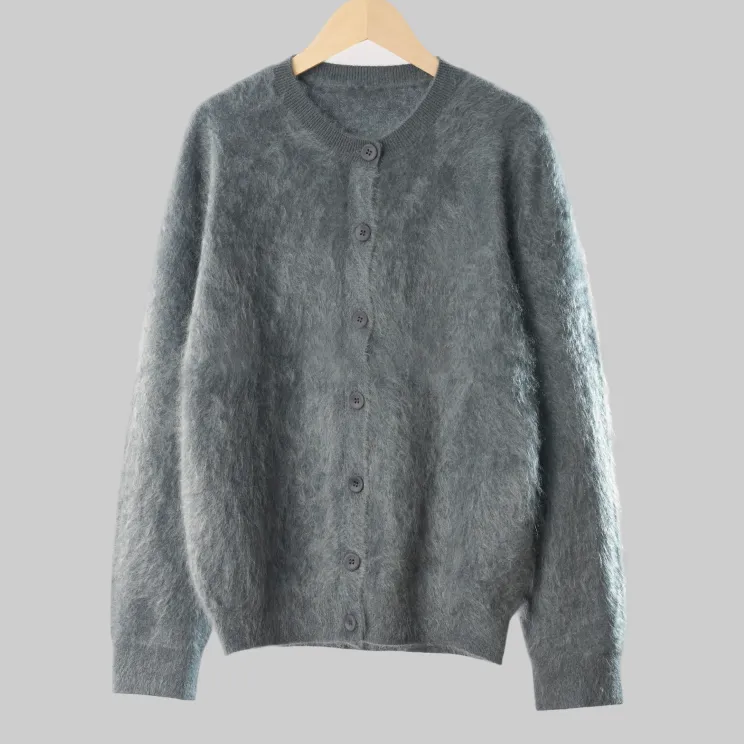
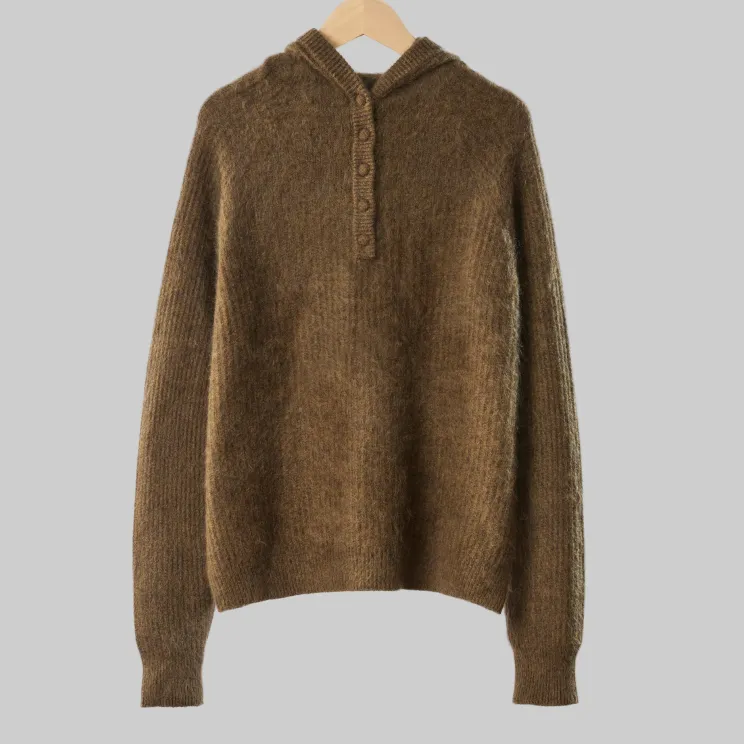
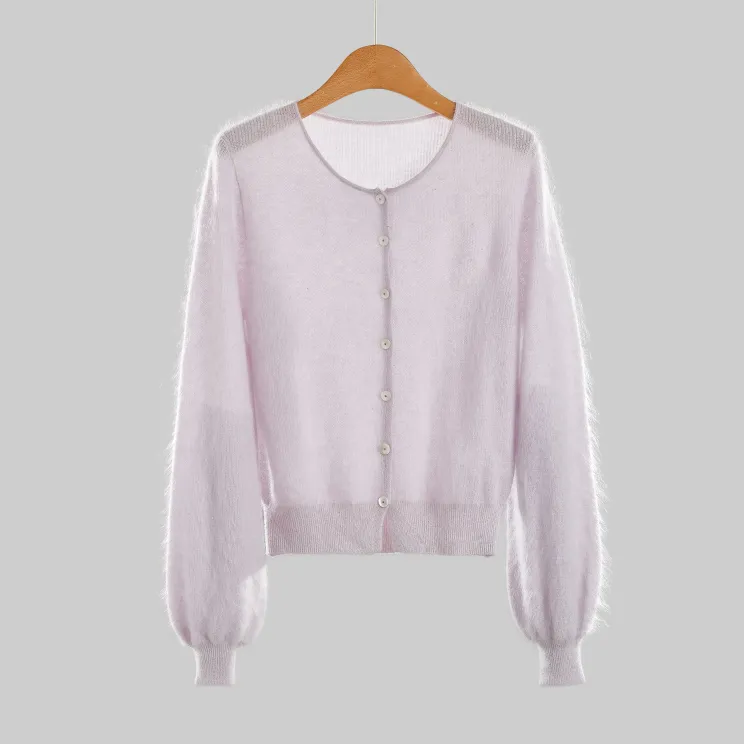
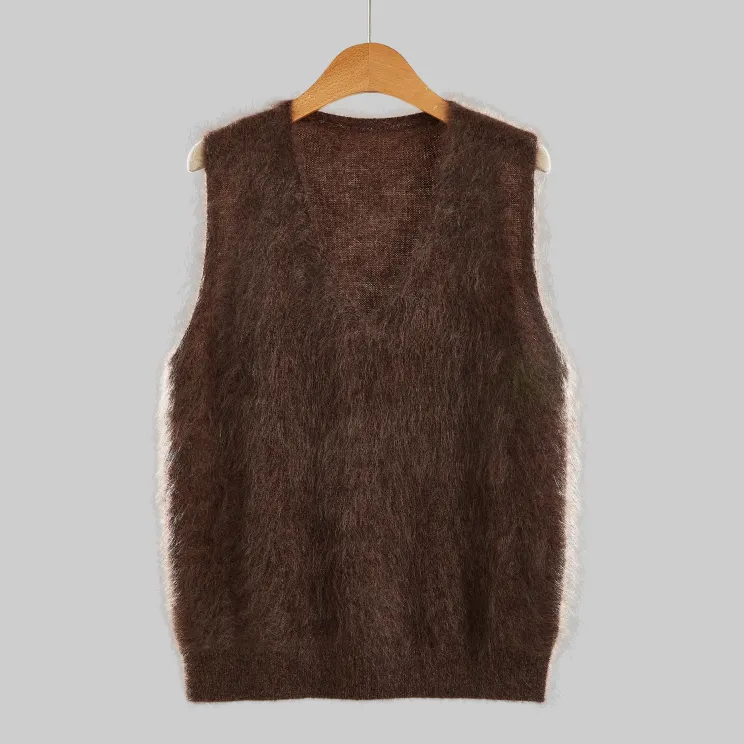
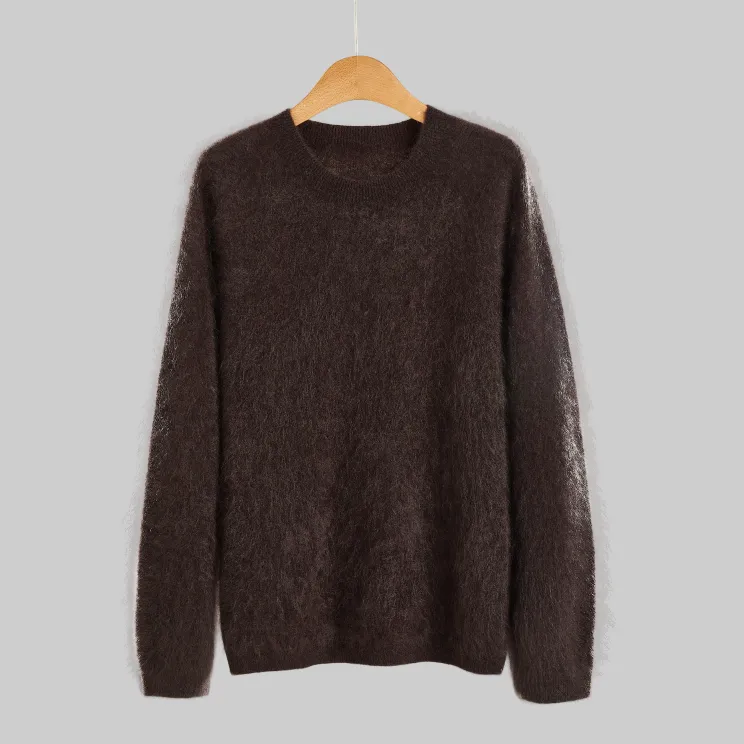
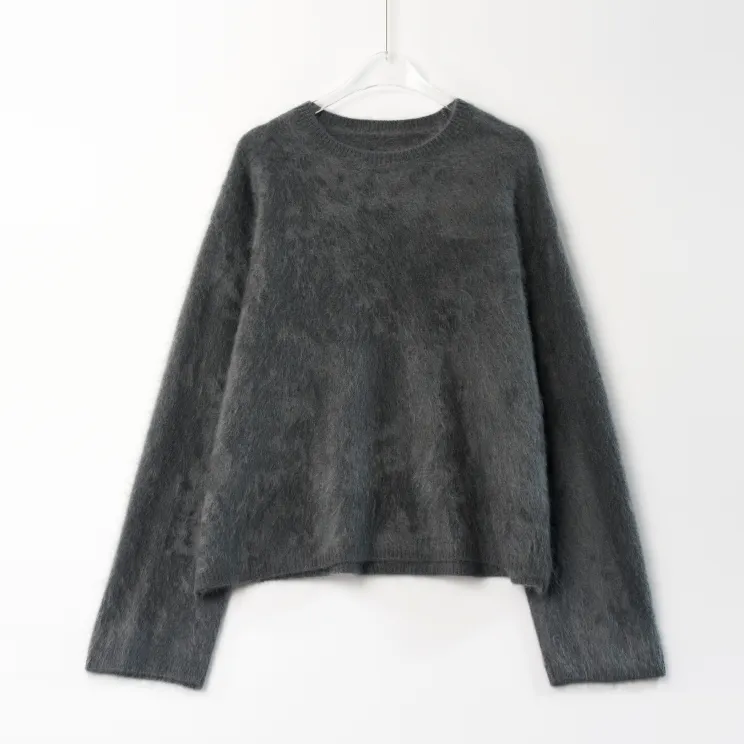
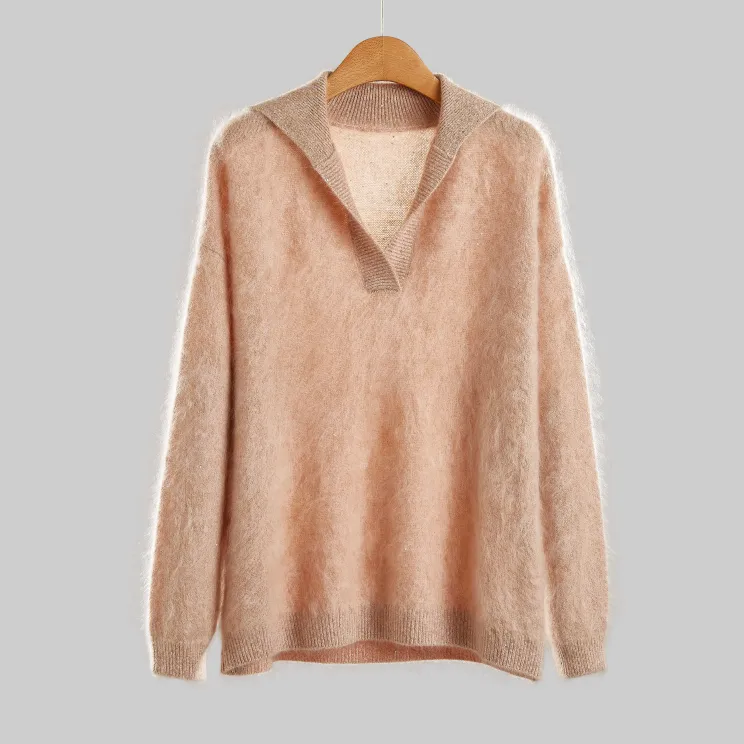
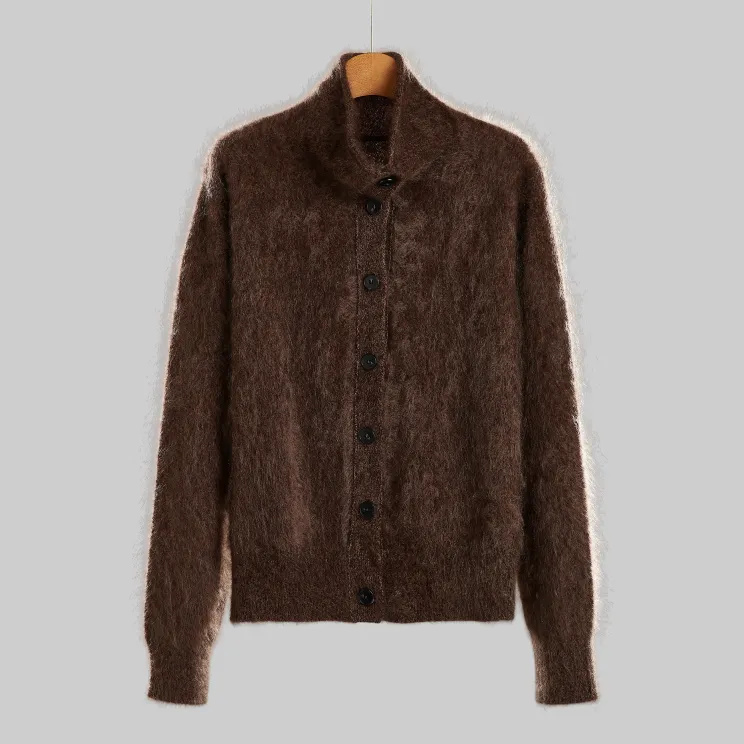
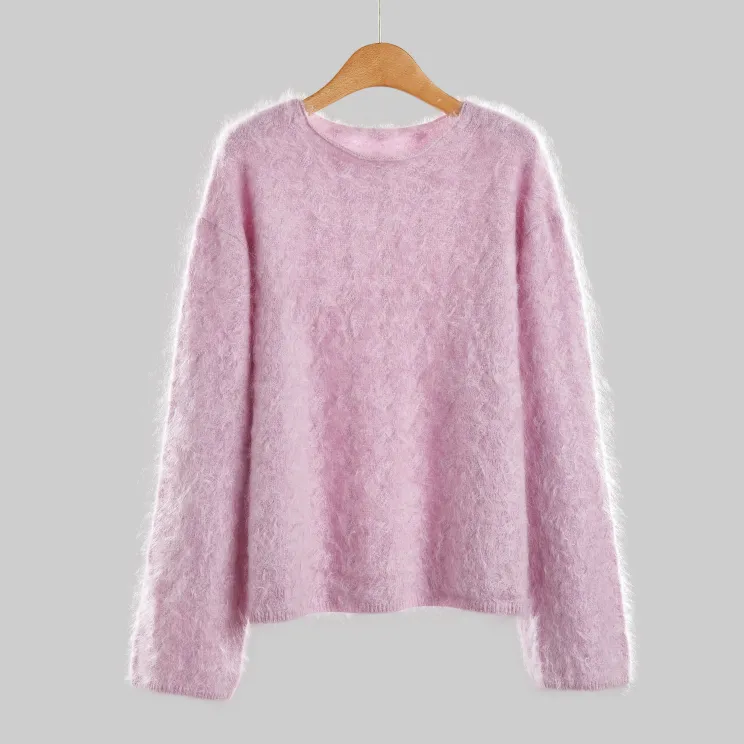
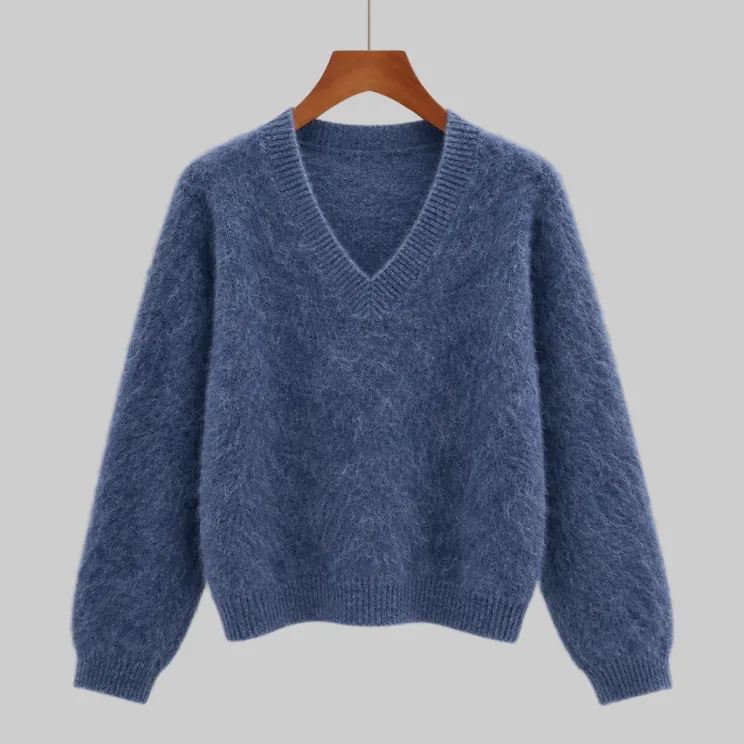
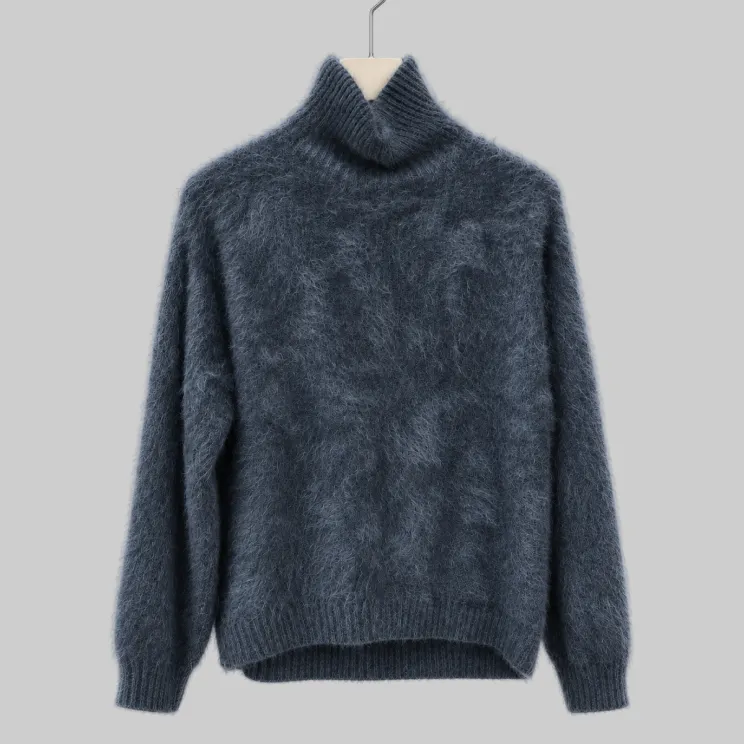
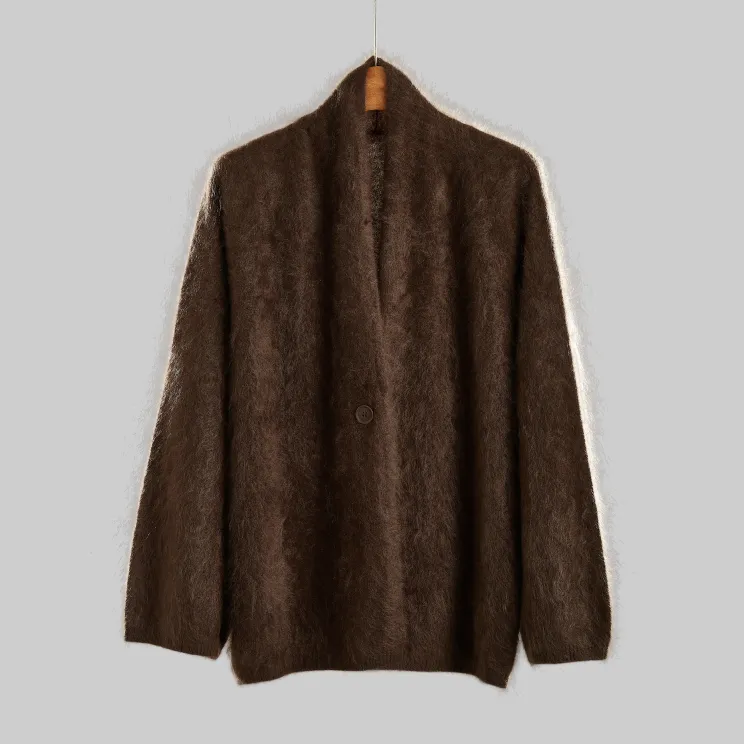
High compliance standards do not require compromising on fabric softness. Premium manufacturing coordinates fiber sorting with controlled mechanical raising. Handling the mechanical napping process carefully allows factories to produce soft brushed finishes using water pressure and calibrated physical brushing rather than chemical softeners. When sourcing pre-dyed cashmere yarn on cones, verifying certified dyestuffs at the lot level ensures smooth customs clearance across European and North American markets.
Sources
- OEKO-TEX: International Textile Testing and Sustainable Chemical Criteria
- EUR-Lex: Regulation (EU) 2024/1781 on Ecodesign for Sustainable Products
- Textile Exchange: Standards and Chemical Stewardship Guidelines
-

Dingchuang Textile Technical Team
Cashmere Sourcing & Knitwear Specialists, Dingchuang Cashmere
Authored by the technical specialists at Zhejiang Dingchuang Cashmere Co., Ltd. Founded in 2013 in Tongxiang, our team oversees integrated supply chain operations from raw goat cashmere collection and in-house mechanical dehairing to precision computerized knitting and specialty wet finishing, providing actionable manufacturing guidance for global apparel brands and designers.