
140th Canton Fair Concludes With Record Buyer Momentum: What the Autumn 2026 Results Signal for Knitwear and Cashmere Sourcing
The 140th China Import and Export Fair closed in Guangzhou on November 4, 2026, in its 70th anniversary year, with buyer attendance tracking well ahead of the previous autumn session. Phase 1 alone drew 189,000 overseas buyers from 214 countries and regions, up 13.3 percent year on year and a record for an opening phase. By the close of Phase 2 on October 27, cumulative attendance had reached 278,000 buyers from 218 countries and regions, up 13.4 percent, with 152 overseas trade organizations and 384 leading retail groups attending as organized delegations. Phase 3, running October 31 to November 4 under the "Better Life" theme, covered the categories most relevant to our industry: fashion, textiles and fabrics, home textiles, and accessories.
For cashmere and knitwear buyers, the headline numbers matter less than what sits underneath them. Three takeaways from this session deserve attention.
1. Buyer Quality Is Rising Faster Than Buyer Volume
Organized delegations from major retail groups grew at both measured phases, and exhibitors across the fair reported longer, more technical conversations at the booth. This mirrors what we see in knitwear specifically: procurement teams arriving with complete tech packs, target price architecture, and compliance checklists, rather than open-ended sourcing explorations. The practical consequence for brands planning 2027 programs is that factory capacity at quality manufacturers is being committed earlier in the cycle. Buyers who treat the post-fair weeks as a follow-up window rather than a starting point will secure the better production slots.
2. Phase 3 Confirmed the Direction of Textile Demand
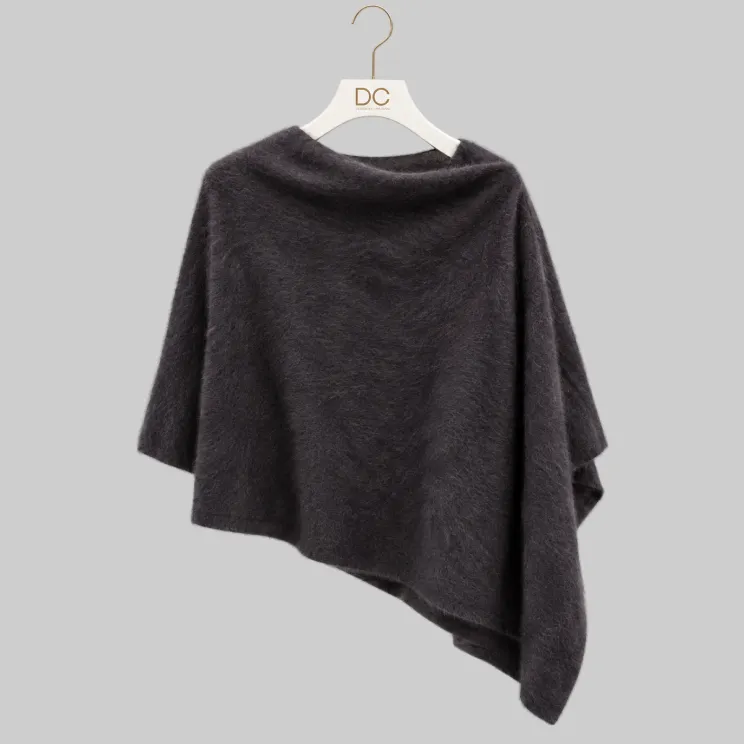
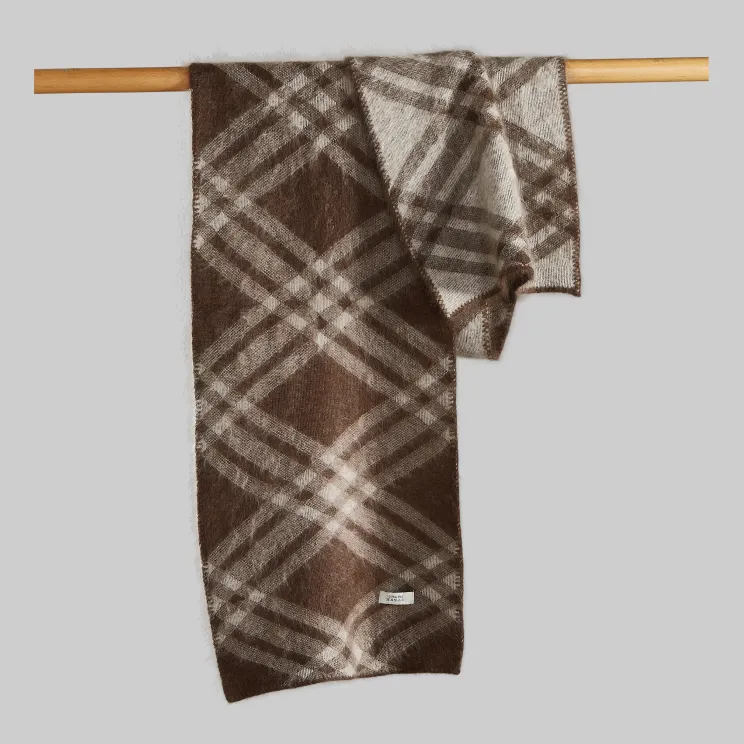
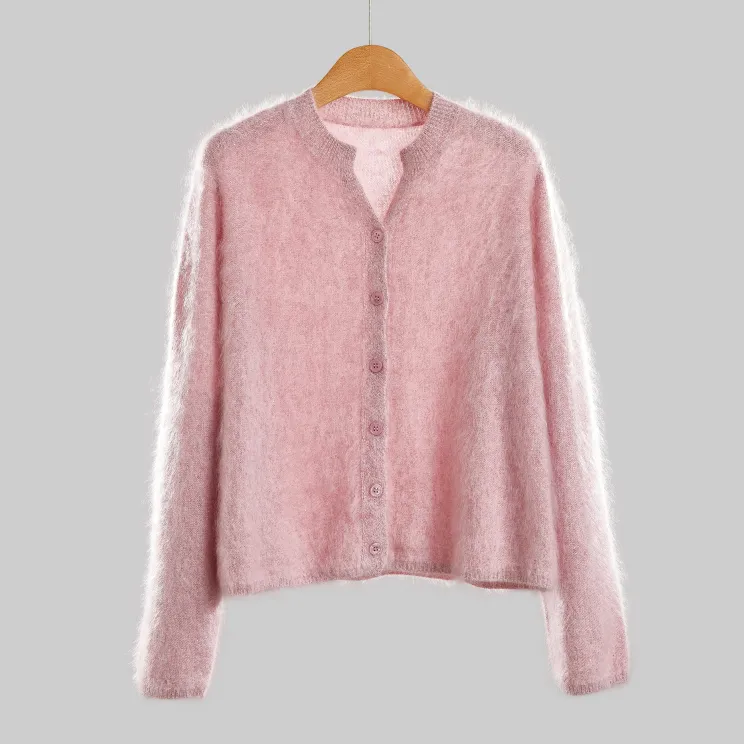
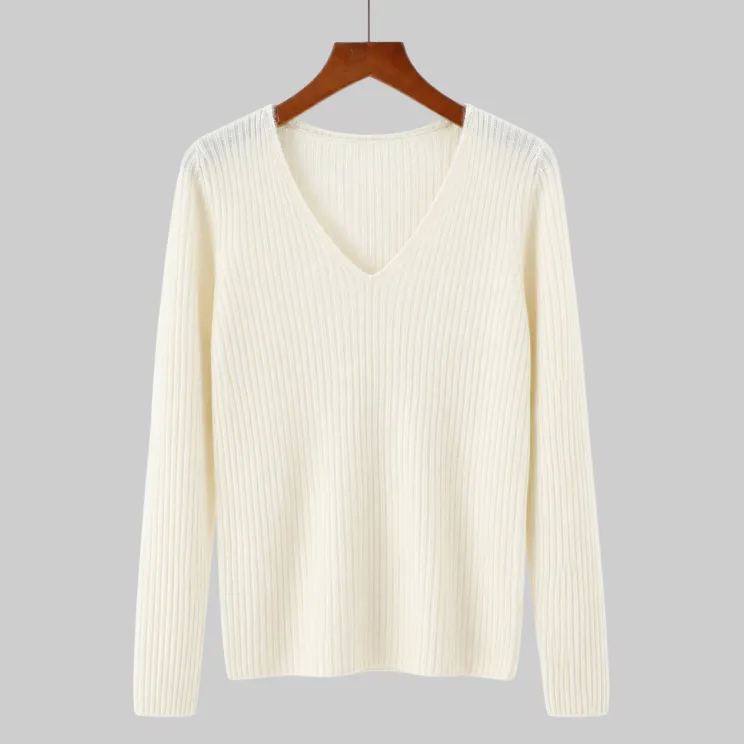
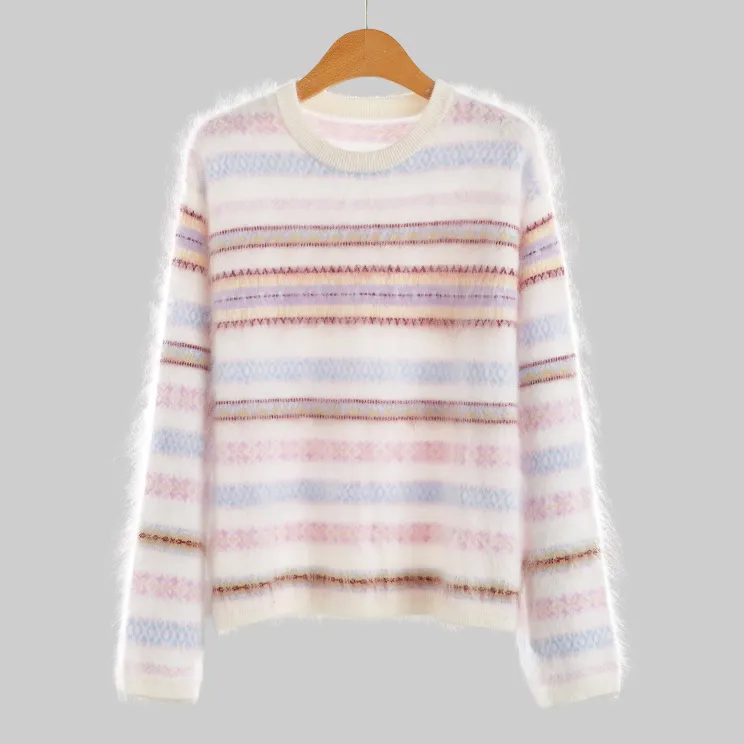
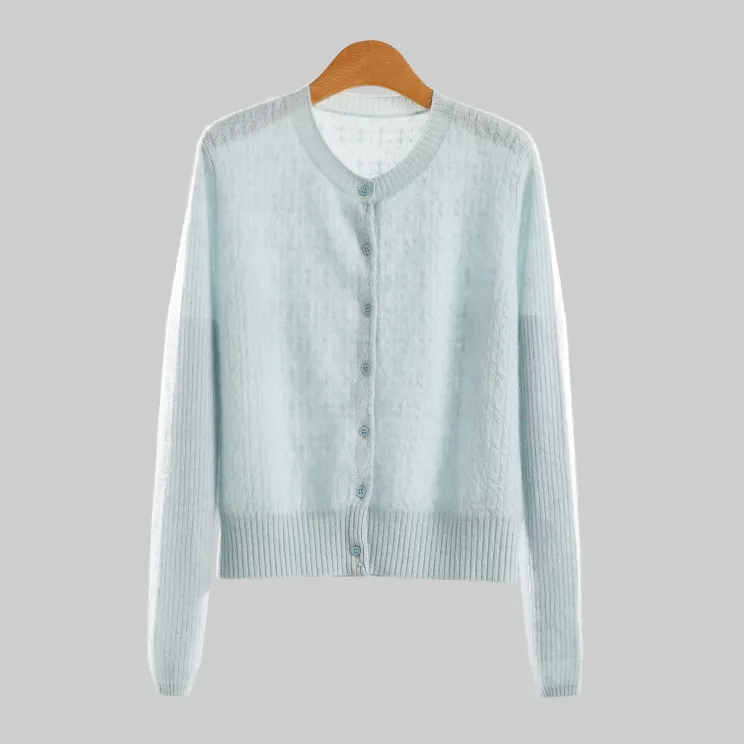
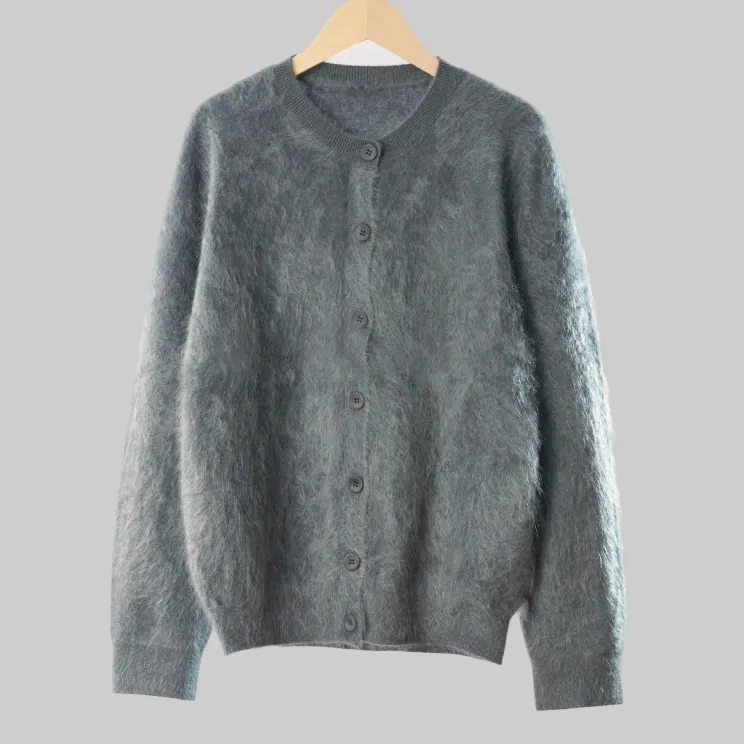
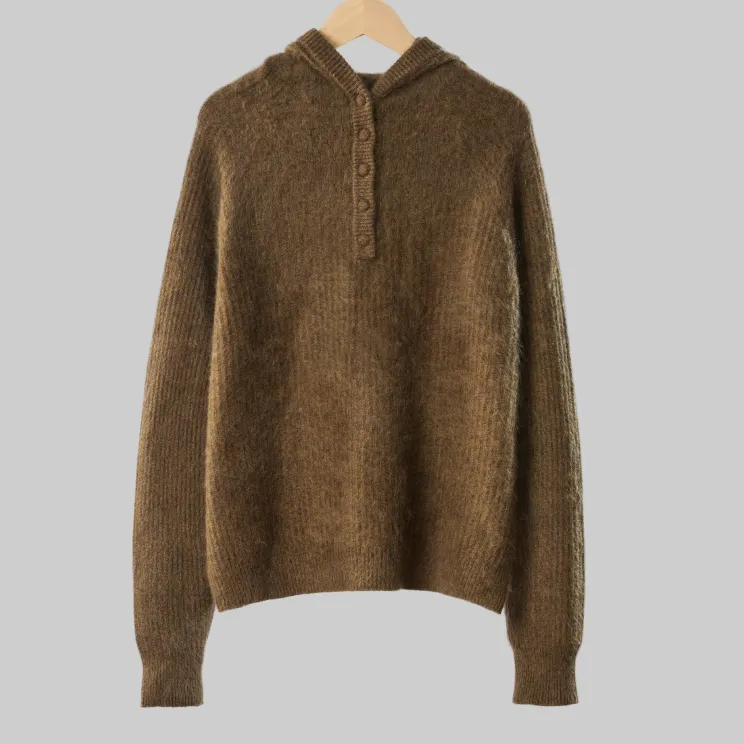
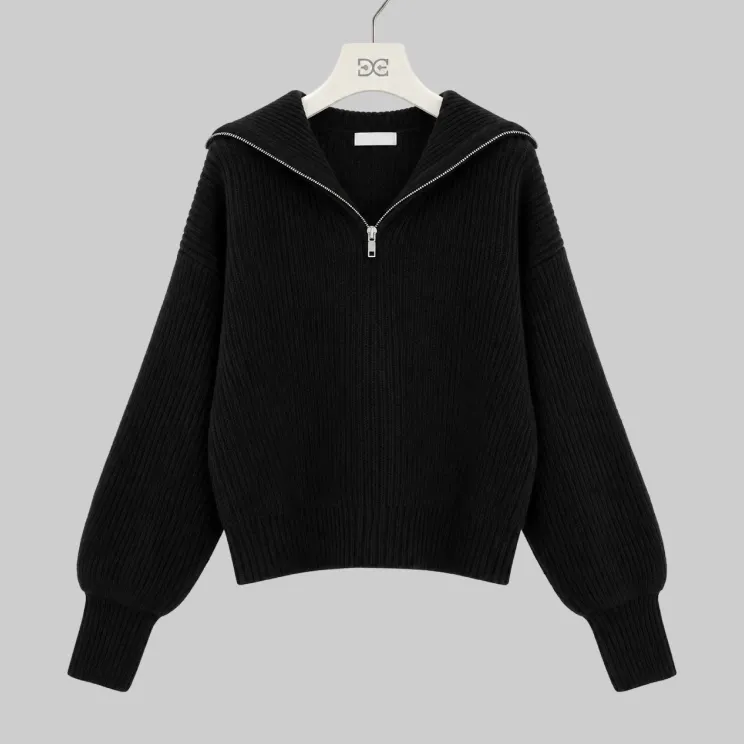
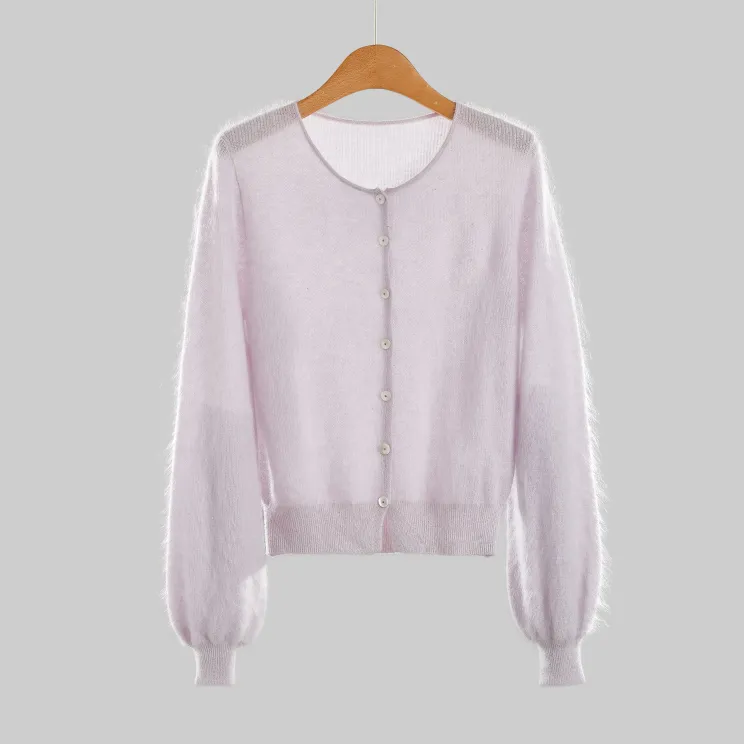
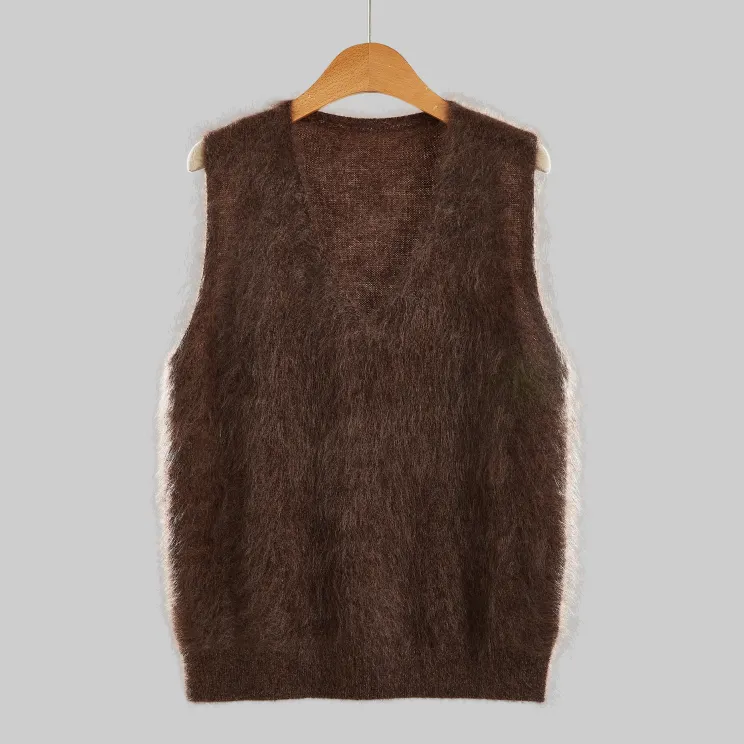
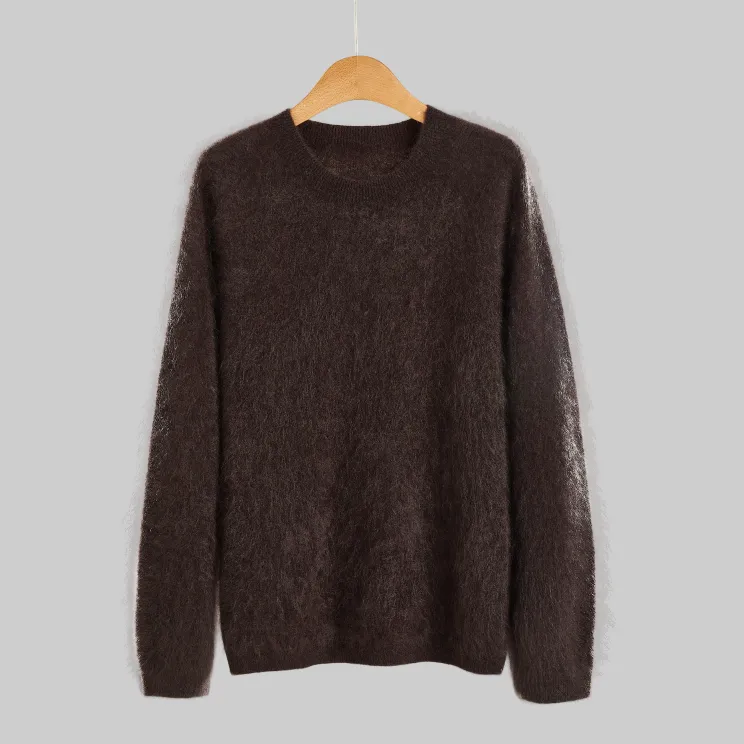
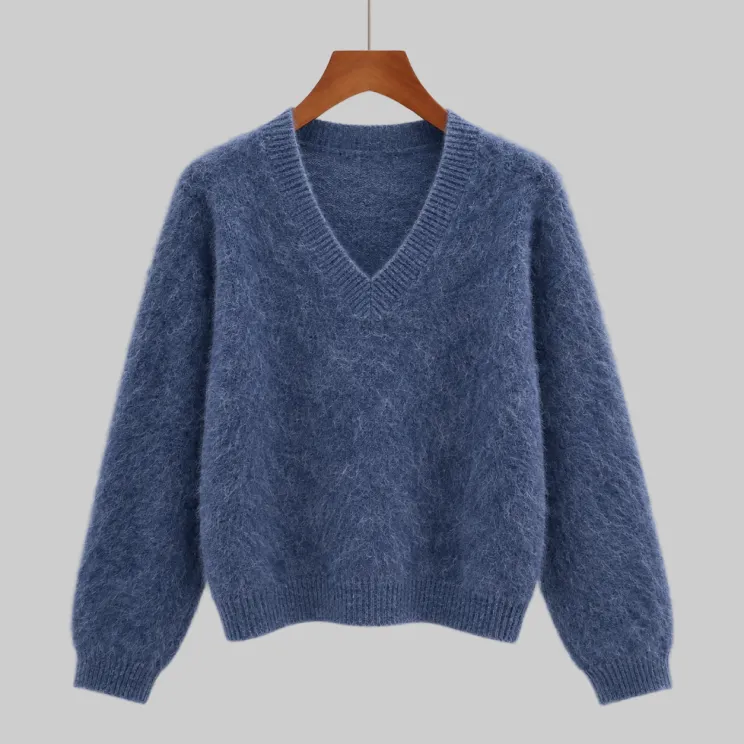
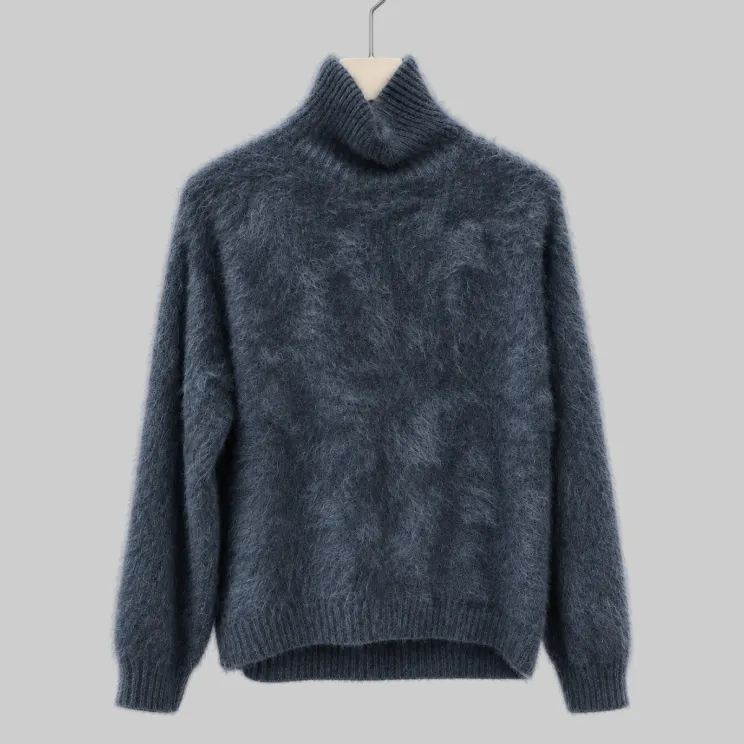
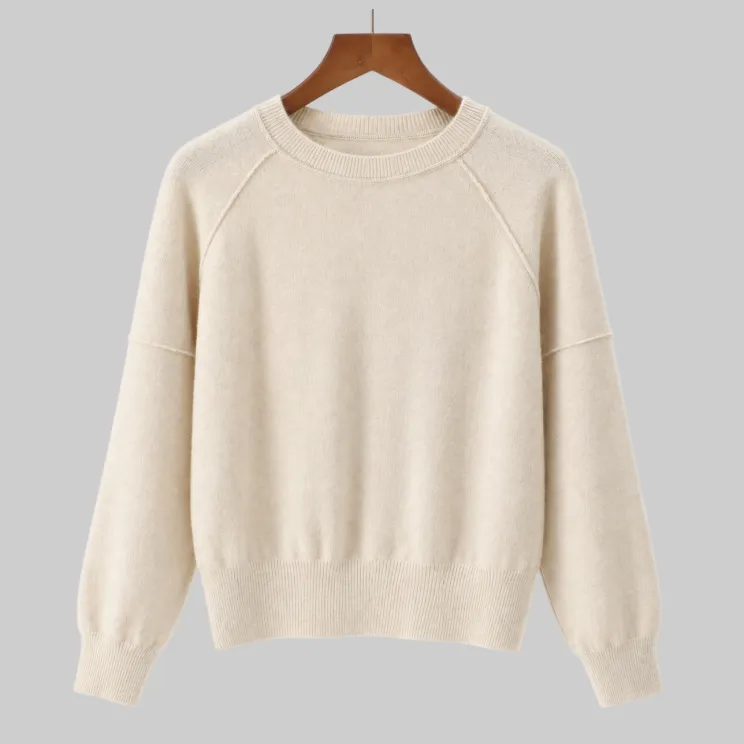
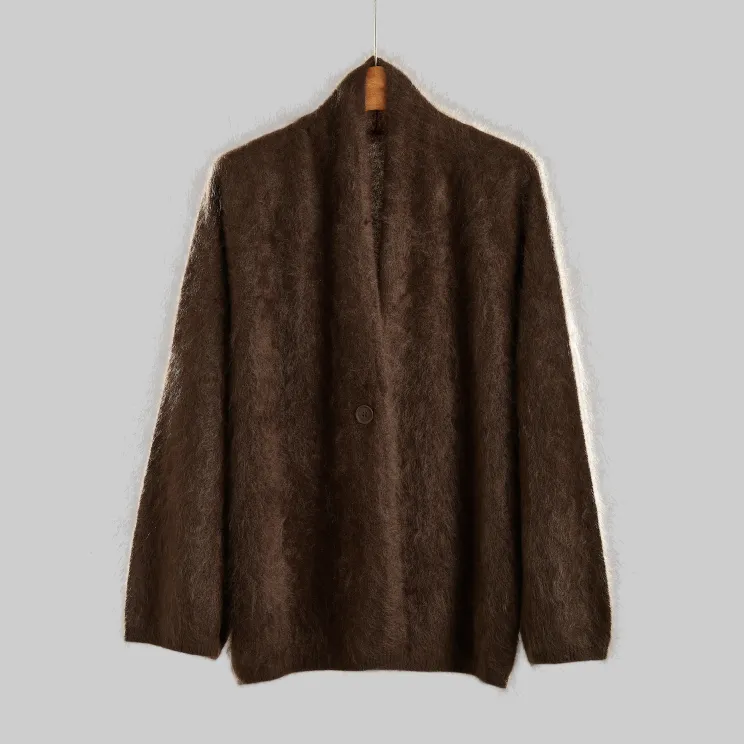
The textile and apparel halls reinforced three demand patterns that have been building through 2026. Sustainable and traceable natural fibers drew disproportionate buyer traffic, consistent with the certification-driven sourcing requirements European brands have been formalizing under the EU circular textiles agenda. Fine-gauge and blended knitwear attracted strong interest from buyers managing raw material cost pressure, as pure cashmere yarn prices remain elevated after this year's supply-driven increases. And smaller, more flexible order structures are now a standard buyer expectation, favoring manufacturers with genuine development capability over volume-only operations. Our cashmere yarn program and blend constructions exist precisely because this shift has been visible in our own order book for two seasons.
3. The Post-Fair Window Is Where Orders Are Actually Won
Canton Fair transactions have a documented long-tail structure: intended deals recorded on site represent only part of final business, with buyers typically deepening negotiations, auditing factories, and signing contracts in the weeks after the fair closes. For knitwear buyers, the correct sequence over the next four weeks is to consolidate booth notes into a shortlist while details remain fresh, request development samples against written specifications rather than showroom references, schedule factory audits for November and December, and lock yarn and machine capacity for spring 2027 delivery before the winter production peak absorbs remaining slots. Buyers developing custom cashmere programs should move fastest: custom development carries the longest lead chain from lab dip to bulk delivery.
Logistics and Capacity Context for Q4
The timing of post-fair ordering intersects with the Q4 production peak across Chinese knitwear manufacturing. Machine capacity for fine-gauge programs, dye house slots for seasonal colors, and pre-holiday export logistics all tighten through November and December. Buyers who completed their factory verification at or immediately after the fair are positioned to secure January production starts. Those still in the shortlisting phase should expect realistic bulk timelines to extend accordingly, and should communicate target delivery windows to suppliers explicitly when requesting quotations for cashmere knitwear programs.
Our Read
Record attendance at a 70-year-old trade fair, in a year of genuine trade friction, says something concrete about where global buyers believe resilient supply still lives. For the cashmere category specifically, the signal from Guangzhou is consistent with what the raw material market has shown all year: demand for verified, traceable, technically specified knitwear is growing, and the constraint is manufacturing capability, not buyer interest. Zhejiang Dingchuang Cashmere operates direct Inner Mongolian fiber collection, in-house dehairing, and precision knitting from our Tongxiang base, supporting both wholesale cashmere volume and full custom development. Buyers who met us in Guangzhou, or who are shortlisting knitwear partners this month, are welcome to contact our technical team for samples and capacity confirmation.
Sources
- Xinhua / Science and Technology Daily: 140th Canton Fair Phase 1 Sets Buyer Attendance Record
- China News Service: 278,000 Overseas Buyers Attend Through Phase 2
- Workers Daily: 140th Canton Fair Opens With Expanded Digital and AI Services
- Canton Fair Official Website: 140th Session Schedule and Phases
-

Dingchuang Textile Technical Team
Cashmere Sourcing & Knitwear Specialists, Dingchuang Cashmere
Authored by the technical specialists at Zhejiang Dingchuang Cashmere Co., Ltd. Founded in 2013 in Tongxiang, our team oversees integrated supply chain operations from raw goat cashmere collection and in-house mechanical dehairing to precision computerized knitting and specialty wet finishing, providing actionable manufacturing guidance for global apparel brands and designers.