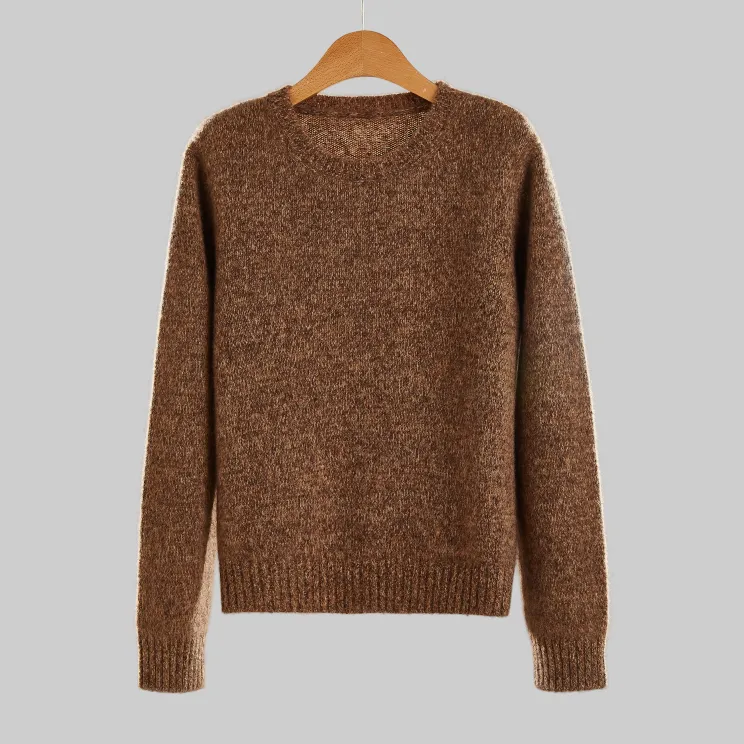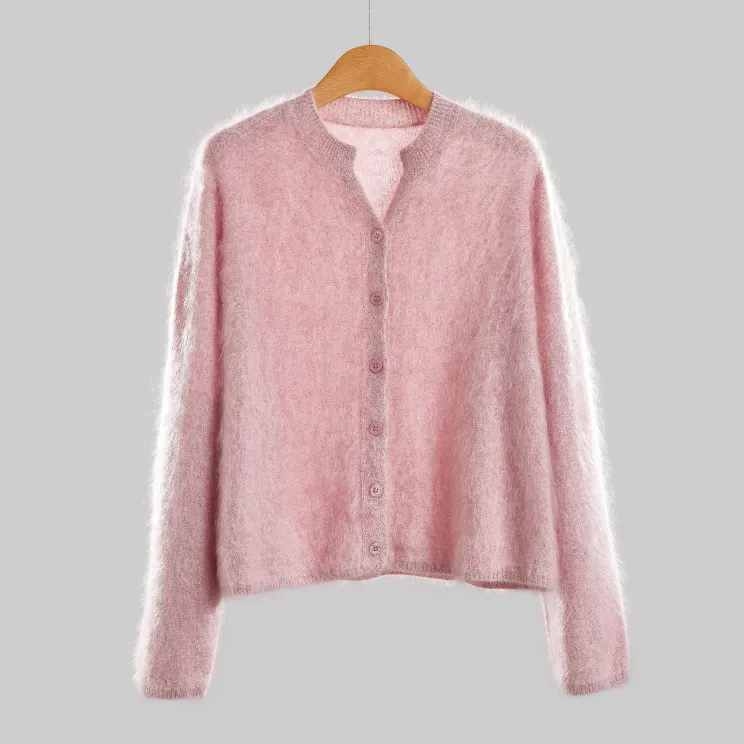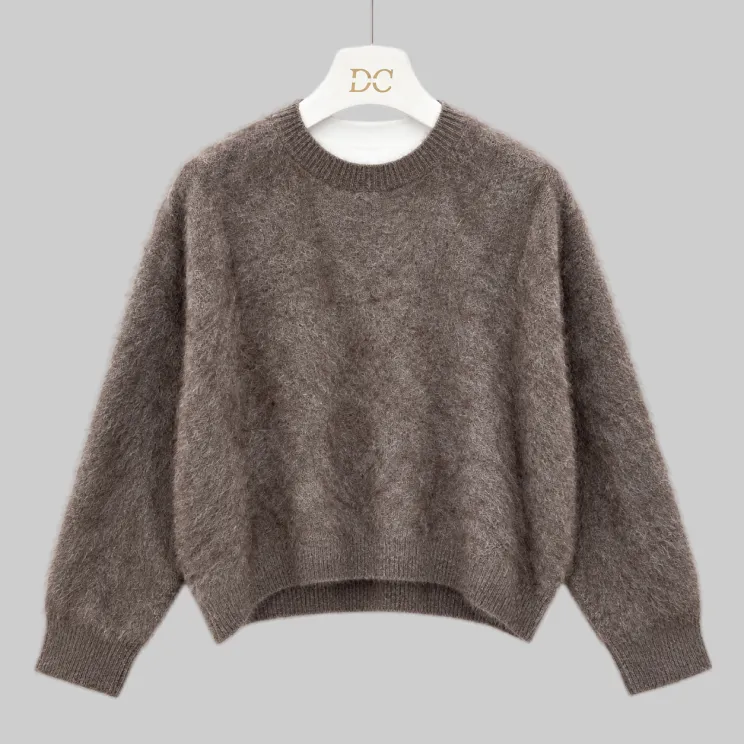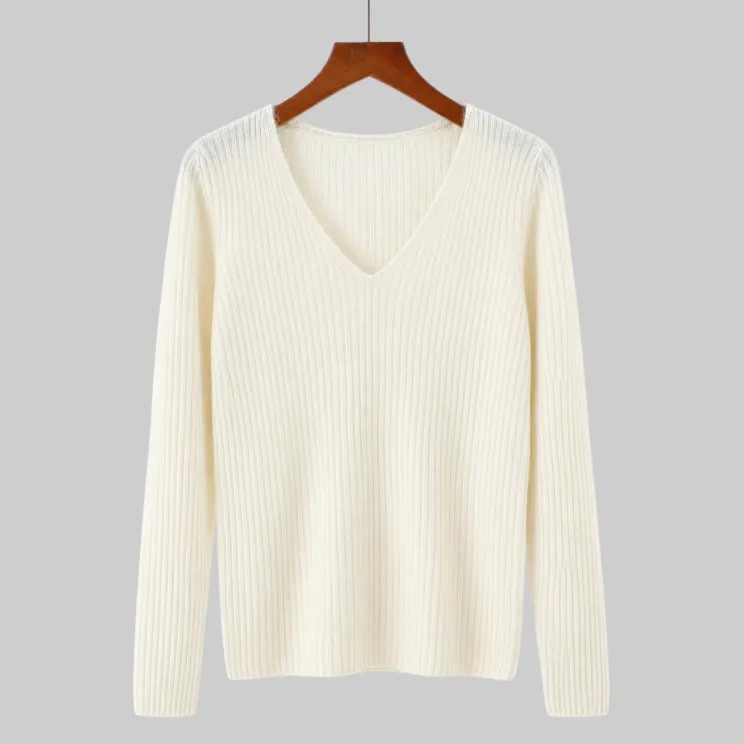

Search
Enter keywords to search for products, blog posts, and more.

Enter keywords to search for products, blog posts, and more.
The Silk Cashmere Collection represents the apex of structural innovation, engineered from an intimate blend of 75% Grade-A Cashmere and 25% premium Mulberry Silk. Spun at a 1/12Nm (single-ply) architecture, this yarn is explicitly designed for medium-to-heavy gauge luxury knitwear. While standard winter sweaters rely on 2-ply twisting for strength, our 1/12Nm yarn embraces a lofty, "roving-like" single-ply structure that provides immense thermal volume and supreme softness. To compensate for the natural fragility of a thick single-ply, the integration of 25% continuous silk filaments acts as a high-tensile core, reinforcing the delicate cashmere down. This precise 75/25 formulation delivers a luminous, fluid drape with robust durability. Available on industrial cones for B2B manufacturing, with scalable MOQs for our curated stock shades and custom dye lots.


| SPECIFICATION | DETAILS |
|---|---|
| MATERIAL | 75% Grade-A Cashmere / 25% Mulberry Silk |
| YARN COUNT | 1/12Nm (Metric Count, Single-Ply Roving) |
| SPINNING ARCHITECTURE | Precision Blended Woolen Spun |
| RECOMMENDED GAUGE | 5GG to 7GG Flat Knitting Machines |
| THERMAL PROFILE | High Insulation, Lofty Drape, Subtle Luster |
| STOCK COLORS MOQ | 1 KG per color (from standard color card) |
| CUSTOM COLORS MOQ | 100 KG per color (5% surcharge applies for orders under 100KG) |
| INDUSTRIAL FORMAT | Pre-waxed 1.0 kg cones for commercial B2B manufacturing |


Operating as a fully integrated manufacturer, Dingchuang Cashmere controls the complex process of intimate fiber blending and high-tensile spinning. We supply B2B clients with our 1/12Nm Silk Cashmere yarn on industrial cones, or we can manufacture your finished 5GG-7GG garments directly, executing customized dynamic tension mapping to guarantee flawless, retail-ready results.
A single-ply 1/12Nm yarn offers a distinctly different hand-feel than a twisted 2-ply yarn. Without the tension of plying, the yarn remains incredibly lofty, creating a "roving-like" aesthetic that is exceptionally soft and voluminous. The 25% silk is blended specifically to provide the tensile strength that a thick single-ply usually lacks.
Our 1/12Nm Silk Cashmere yarn is optimally engineered for 5GG and 7GG computerized flat knitting machines. Its substantial diameter perfectly fills the larger needle hooks, providing excellent stitch definition for chunky ribs and cables without feeling overly rigid.
Generally, single-ply yarns are more susceptible to friction. However, our engineering mitigates this risk. The 25% continuous silk filament acts as a structural anchor, tightly binding the Grade-A cashmere down within the yarn matrix. This significantly reduces the shedding and pilling typically associated with low-twist, roving-style yarns.
Cashmere and silk are both protein fibers, but they absorb acid dyes at different rates and temperatures. If dyed carelessly, the yarn will look streaky. We utilize an advanced "Two-Bath" dyeing protocol, precisely calibrating the pH and temperature curves to ensure both fiber types absorb the pigment equally, resulting in a rich, perfectly leveled solid color.
In the luxury apparel market, blending silk with cashmere is traditionally reserved for ultra-fine, lightweight eveningwear. However, introducing this luxurious 75% Cashmere / 25% Silk blend into a thick, 1/12Nm roving-style architecture unlocks an entirely new category of high-end winter knitwear. Engineering a yarn that combines short-staple down with continuous silk filaments at a heavy gauge introduces profound manufacturing complexities. This guide explores the technical prerequisites, structural advantages, and dyeing protocols necessary to successfully execute heavy-gauge silk-cashmere knitwear.
Most classic winter sweaters utilize a 2-ply yarn (e.g., 2/26Nm) to provide structural balance and durability. The 1/12Nm metric count indicates a relatively thick, single-ply strand (12 meters per gram). Spinning 100% cashmere into a thick single-ply yarn is highly risky; without the binding force of a second ply, the yarn lacks tensile strength and is prone to drifting apart under the high-speed tension of 7GG flat knitting machines. Furthermore, low-twist single yarns are notoriously susceptible to catastrophic pilling.
The strategic integration of 25% Mulberry Silk solves these physical limitations. Silk is one of the strongest natural filaments available. By intimately blending it with the cashmere down, the silk acts as an unbreakable core scaffold. It provides the extreme tensile strength required to spin and knit a lofty, low-twist single-ply yarn efficiently, drastically reducing machine downtime and material waste. Additionally, the silk filaments anchor the cashmere roots, preventing them from shedding under friction, thereby neutralizing the pilling risk associated with roving yarns.
The addition of silk fundamentally alters the mechanical behavior of the knitted fabric. Heavy-gauge cashmere (like 100% cashmere on a 5GG machine) can sometimes feel overly dense or matte. Silk filaments are perfectly smooth and highly reflective. By blending these fibers at a 75/25 ratio, the resulting heavy yarn captures the immense thermal insulation of chunky cashmere, while inheriting a smooth, liquid-like drape and a sophisticated surface sheen. This makes the 1/12Nm blend the absolute premier choice for elevated winter outerwear, luxurious oversized cardigans, and statement accessories.
For B2B buyers specifying custom Pantone colors, understanding the chemistry of blended yarn dyeing is critical. A common defect in lower-tier silk-cashmere garments is "skitteriness"—a visually uneven, speckled appearance caused by one fiber absorbing more dye than the other. Although both silk and cashmere are animal protein fibers and accept acid dyes, their molecular dye uptake rates are vastly different. To achieve a perfectly solid, leveled colorway, our dye masters must execute a highly calibrated "Two-Bath" dyeing process. This involves manipulating the temperature curves and pH levels sequentially to ensure the silk and the cashmere reach total color saturation simultaneously, guaranteeing immaculate color depth.